Ibiza Luxury Real Estate
Ibiza luxury real estate guide: 1.4 billion euros in 2025 sales, prime prices up 7.5% yearly, top enclaves, villa rentals, architecture and tax advantages.…

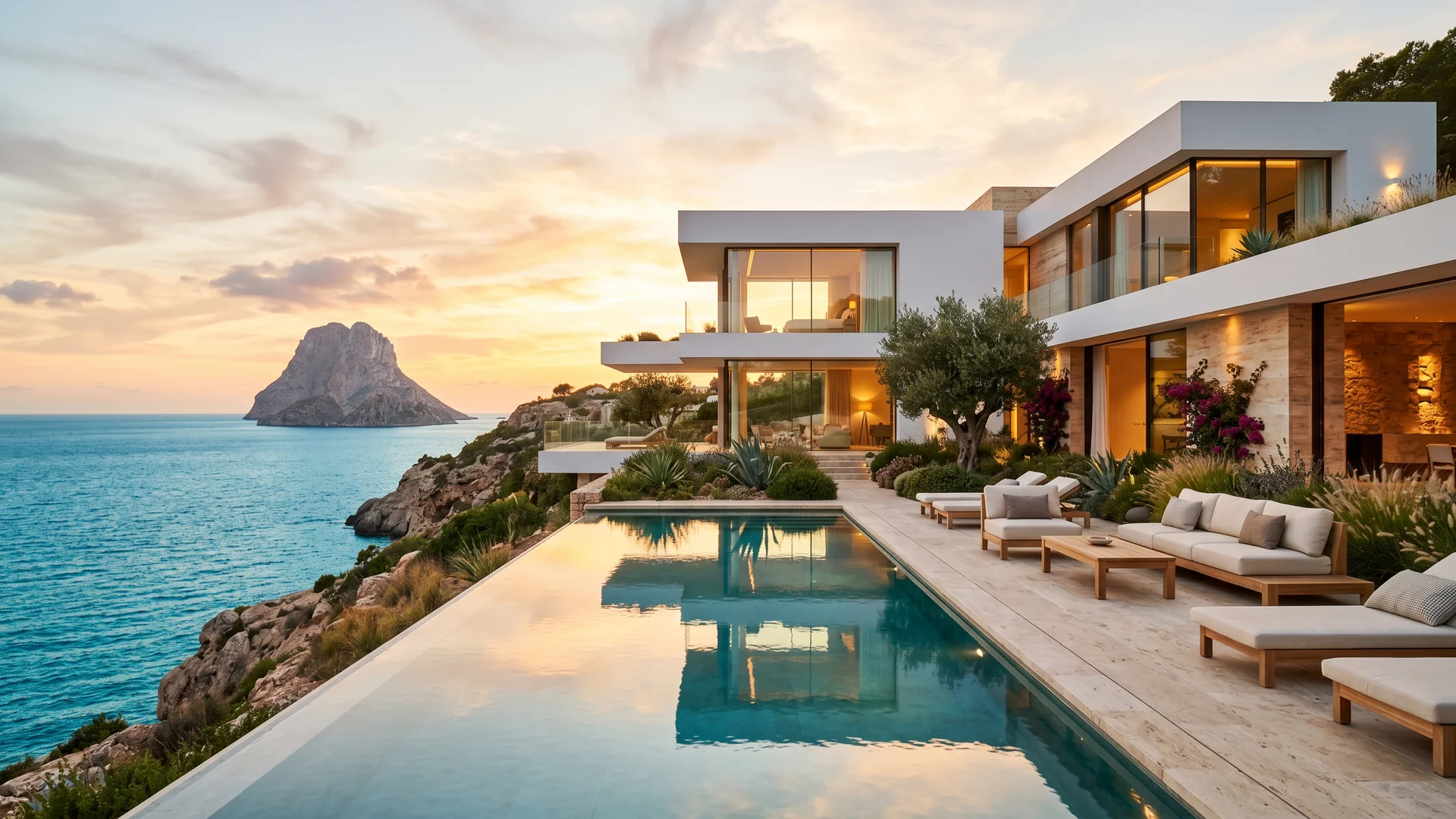

Ibiza's luxury real estate market hit roughly 1.4 billion euros in 2025 transactions, with prime prices rising 7.5 percent annually over five years, making it one of Europe's fastest-appreciating property markets.
Key Takeaways
- Ibiza's luxury real estate market recorded approximately 1.4 billion euros in total 2025 transactions, with the prime segment above 2 million euros accounting for roughly 650 million euros.
- Prime residential prices have risen an average of 7.5 percent annually over the past five years and appreciated about 72 percent cumulatively since 2015, according to Engel & Volkers.
- The prestigious southwest coast from Cala Jondal to Cala Conta commands the highest prices, with frontline clifftop estates listing at 10 to 20 million euros and Es Cubells properties trading between 8 and 30 million euros.
- Restored northern fincas in villages like Santa Gertrudis and San Miguel sell for 2 to 10 million euros, while Dalt Vila historic apartments range from 800,000 to 3.5 million euros.
- Wellness amenities such as private spas, yoga shalas, and cold plunge pools command premiums of 15 to 25 percent over comparable properties.
- Prime southwest villas generate weekly peak-summer rental rates of 20,000 to 75,000 euros, reaching up to 120,000 euros, with gross annual yields of 5 to 8 percent.
- The Balearic government applies a 100 percent credit against wealth tax, effectively eliminating it, while analysts forecast 4 to 6 percent annual prime price growth through 2030.
Ibiza Luxury Real Estate: Beyond the Party Island
Ibiza's transformation from Mediterranean party capital to sophisticated luxury destination represents one of the most remarkable real estate narratives in Europe. The White Isle — the third largest of Spain's Balearic archipelago — has undergone a profound repositioning over the past two decades, retaining its legendary nightlife and bohemian spirit while adding layers of wellness, gastronomy, and high-end residential appeal that have attracted a new generation of discerning buyers. In 2025, Ibiza's luxury real estate market recorded total transaction volumes of approximately €1.4 billion, with the prime segment — properties above €2 million — accounting for roughly €650 million. Prime residential prices have risen by an average of 7.5 percent annually over the past five years, making Ibiza one of the fastest-appreciating luxury property markets in Europe.
The Island's Luxury Geography
The South: Glamour and Super-Prime Estates
Ibiza's luxury property map is defined by a series of distinct enclaves, each with its own character, price structure, and buyer demographic. The southwest coast — from Cala Jondal in the south to Cala Conta in the west — is widely considered the island's most prestigious residential zone. This area benefits from the island's most celebrated sunset views, proximity to the best beaches, and the presence of iconic venues such as the Blue Marlin beach club and the experimental luxury hotel Casa Jondal. Villas in the hills above Cala Jondal, Es Cubells, and Porroig command €4 million to €25 million. A frontline clifftop estate with private sea access, infinity pool, and sunset views over the Mediterranean towards Formentera would typically list at €10 million to €20 million. Es Cubells, a tiny hillside village with a whitewashed church perched dramatically above the sea, has become Ibiza's most exclusive residential address, with a small number of exceptional properties trading between €8 million and €30 million.
The East: Family-Friendly Luxury
The southeast coast — the area from Ibiza Town to Santa Eulària and beyond towards Cala Nova — offers a different proposition. The hillside community of Roca Llisa, anchored by its golf course, was one of Ibiza's first purpose-built luxury residential developments and continues to attract buyers seeking security and community. Villas in Roca Llisa sell for €1.5 million to €6 million. The area around Jesús, a traditional village just minutes from Ibiza Town and the marina, has seen significant high-end development, with contemporary villas commanding €2 million to €8 million. The northern interior — encompassing the villages of Santa Gertrudis, San Lorenzo, San Miguel, and San Juan — has emerged as Ibiza's answer to Mallorca's finca country. This is the island's agricultural heartland, a landscape of pine forests, almond and carob orchards, and traditional whitewashed farmhouses. Restored fincas in the north, typically on plots of 2 to 20 hectares, sell for €2 million to €10 million. The north offers greater space, stronger connection to the island's traditional culture, and a calmer rhythm than the coast, appealing to buyers seeking an authentic, grounded Ibiza lifestyle. Santa Gertrudis, with its charming central square, artisan shops, and excellent restaurants, has become the social hub of the island's interior.
The North: Bohemian Luxury and Seclusion
Ibiza Town itself — the historic Dalt Vila (Upper Town), a UNESCO World Heritage Site, and the surrounding marina and port areas — offers a limited but compelling urban luxury market. Carefully restored historic apartments and townhouses in Dalt Vila sell for €800,000 to €3.5 million, offering a unique combination of heritage, culture, and proximity to the island's best restaurants, boutiques, and nightlife. The Marina Botafoch area, home to the island's superyacht berths, has seen the development of luxury apartment complexes where prices range from €1 million to €5 million. The island's west coast, including the areas around Cala Conta, Cala Bassa, and San José, offers some of the island's most spectacular sunset-facing properties. This area has attracted a more bohemian-luxury buyer profile, with architect-designed retreats blending into the pine-clad hillsides. Prices for frontline sunset-view villas range from €3 million to €15 million.


Architectural Identity and Contemporary Design
Ibiza's architectural identity is rooted in the traditional Ibicenco farmhouse — the casa payesa — a cuboid whitewashed structure with small windows, flat roofs for rainwater collection, and thick walls that provide natural insulation against the summer heat. In recent decades, a distinctive school of Ibizan contemporary architecture has emerged, blending traditional forms and materials with modernist minimalism. Architects such as Blakstad Design Consultants (founded by the late Rolph Blakstad, who arrived on Ibiza in the 1950s and profoundly influenced the island's architectural direction), Jaime Romano, and Rolf Blakstad have created a recognised 'Ibizan style' characterised by cubic volumes, white stucco finishes, extensive use of local stone, seamless indoor-outdoor transitions, and a deep respect for the island's building traditions and landscape. Contemporary luxury villas in this style typically offer 400 to 1,200 square metres of living space on plots of 2,000 to 50,000 square metres, with construction costs ranging from €3,000 to €5,500 per square metre.
The Wellness and Sustainability Dimension
Ibiza has positioned itself as a global centre for wellness and holistic living, a dimension that increasingly influences its luxury real estate market. Properties incorporating wellness amenities — private spas, yoga shalas, meditation platforms, cold plunge pools, infrared saunas, and treatment rooms — command premiums of 15 to 25 percent over comparable properties without these features. The island's organic farming movement, championed by venues such as the Juntos Farm and the agroturismo estates of the interior, has inspired a growing number of luxury property owners to establish organic vegetable gardens, orchards, and even small vineyards on their estates. Sustainable design — including photovoltaic solar arrays, rainwater harvesting systems, greywater recycling, and geothermal heating and cooling — has become an expected feature in high-end new-build villas, reflecting both the island's environmental consciousness and the practical realities of rising energy costs.
The Celebrity and Privacy Factor
Ibiza's reputation as a celebrity playground, while often overstated in popular media, does contribute to its luxury property market. The island has a long history of attracting A-list visitors and residents, from the hippie counterculture icons of the 1960s to contemporary musicians, actors, and entrepreneurs. This association, combined with the island's topography — numerous secluded coves, pine-clad hillsides, and gated estates — creates a powerful privacy proposition. Many of the island's most valuable properties are entirely invisible from public roads and neighbouring properties, offering the kind of seclusion that ultra-high-net-worth individuals increasingly demand. The island's strict planning regulations, which tightly control new construction and building density in rural areas, reinforce this privacy by limiting development.
Investment Performance and Rental Dynamics
Ibiza's luxury real estate has delivered exceptional returns over the past decade. According to Engel & Völkers, prime residential prices on the island have appreciated by approximately 72 percent cumulatively since 2015, representing a compound annual growth rate of 7.0 percent. This outperformance relative to many European luxury markets is attributed to the island's unique combination of supply constraints, branding power, and international demand. The luxury rental market is among the most lucrative in the Mediterranean. Prime villas on the southwest coast generate weekly rental rates of €20,000 to €75,000 during the peak summer months of July and August, with the most exceptional properties reaching €120,000 per week. Gross annual rental yields of 5 to 8 percent are achievable for well-located, professionally managed luxury villas, among the highest in the European luxury segment. However, the rental season is highly concentrated — approximately 70 percent of annual rental income is generated between June and September — and the market is sensitive to broader economic conditions affecting the island's tourism flows.

Regulatory and Tax Environment
As part of the Balearic Islands, Ibiza is subject to the same regulatory framework as Mallorca, including the Balearic government's strict land-use planning laws, coastal protection regulations, and the sustainable tourism tax. The island's limited land availability and planning restrictions have been reinforced by the Balearic government's moratorium on new tourist accommodation places and strict controls on rural construction. As with Mallorca and the rest of the Balearics, the regional government applies a 100 percent credit against wealth tax, effectively eliminating it. Property purchase taxes, annual property taxes, and capital gains taxes mirror those in Mallorca. Non-EU buyers should note the evolving Golden Visa situation — Spain's programme may be phased out, and buyers should obtain current legal advice. The Balearic government has also been exploring measures to restrict foreign property purchases, inspired by similar moves in other European jurisdictions; these discussions remain at a preliminary stage but merit monitoring.
Market Outlook for 2026-2030
Ibiza's luxury real estate market appears well-positioned for continued growth. The island's global brand recognition, the intensity of the luxury summer season, the diversification of the buyer base beyond traditional European markets (with increasing interest from the Middle East, North America, and Latin America), and the extreme supply constraints in the most desirable coastal locations all support a positive outlook. However, the market is not without risks. Ibiza relies heavily on its seasonal tourism economy, and any factor that disrupts Mediterranean summer travel — whether economic, geopolitical, or environmental — could impact the market. The island's capacity constraints, including water resources, road infrastructure, and seasonal overcrowding, are the subject of ongoing public debate and potential regulatory responses that could affect property values. Analysts forecast prime residential price growth of 4 to 6 percent annually over the next three to five years, a moderation from the exceptional growth rates of the past five years but still attractive by European standards.
Conclusion
Ibiza's luxury real estate market has matured into one of Europe's most compelling property propositions. The island's evolution from hedonistic party destination to sophisticated luxury enclave has been remarkable, creating a multi-layered market that caters to a diverse range of buyer profiles and lifestyles. Whether seeking a clifftop sunset villa, a restored northern finca, a contemporary architectural retreat, or a historic Dalt Vila pied-à-terre, Ibiza offers a unique blend of natural beauty, cultural depth, and investment potential. As the island continues to refine its luxury proposition, its real estate market is likely to remain among Europe's most desirable and best-performing in the years ahead.
Frequently Asked Questions (FAQ)
How much does luxury real estate cost in Ibiza?
Luxury property prices in Ibiza vary widely by location. Southwest clifftop estates list at 10 to 20 million euros, Es Cubells properties trade between 8 and 30 million euros, restored northern fincas sell for 2 to 10 million euros, and Dalt Vila historic apartments range from 800,000 to 3.5 million euros.
Which area of Ibiza is the most prestigious for luxury property?
The southwest coast, stretching from Cala Jondal in the south to Cala Conta in the west, is considered Ibiza's most prestigious residential zone. It offers the island's most celebrated sunset views, the best beaches, and iconic venues like Blue Marlin. Es Cubells, a tiny hillside village, is the most exclusive address.
What returns can investors expect from Ibiza luxury real estate?
Ibiza prime residential prices appreciated approximately 72 percent cumulatively since 2015, a 7.0 percent compound annual growth rate, according to Engel & Volkers. Luxury villas achieve gross annual rental yields of 5 to 8 percent, among the highest in the European luxury segment, supported by supply constraints and strong international demand.
How much can you earn renting a luxury villa in Ibiza?
Prime villas on Ibiza's southwest coast generate weekly rental rates of 20,000 to 75,000 euros during peak summer in July and August, with the most exceptional properties reaching 120,000 euros per week. However, roughly 70 percent of annual rental income is concentrated between June and September.
What is the traditional Ibizan architectural style for luxury villas?
Ibizan architecture is rooted in the casa payesa, a cuboid whitewashed farmhouse with small windows, flat roofs, and thick insulating walls. Contemporary luxury villas blend these traditional forms with modernist minimalism, featuring cubic volumes, white stucco, local stone, and indoor-outdoor transitions, pioneered by architects like Blakstad Design Consultants.
What are the tax advantages of buying property in Ibiza?
As part of the Balearic Islands, Ibiza applies a 100 percent credit against wealth tax, effectively eliminating it. Property purchase taxes, annual property taxes, and capital gains taxes mirror those in Mallorca. Non-EU buyers should monitor Spain's evolving Golden Visa programme, which may be phased out, and obtain current legal advice.
Do wellness features increase the value of an Ibiza luxury property?
Yes. Properties incorporating wellness amenities such as private spas, yoga shalas, meditation platforms, cold plunge pools, infrared saunas, and treatment rooms command premiums of 15 to 25 percent over comparable properties without these features, reflecting Ibiza's positioning as a global centre for wellness and holistic living.
What is the outlook for Ibiza luxury real estate through 2030?
Analysts forecast prime residential price growth of 4 to 6 percent annually over the next three to five years, a moderation from recent exceptional rates but still attractive by European standards. Growth is supported by global brand recognition, a diversifying buyer base, and extreme supply constraints in desirable coastal locations.

More from Ibiza
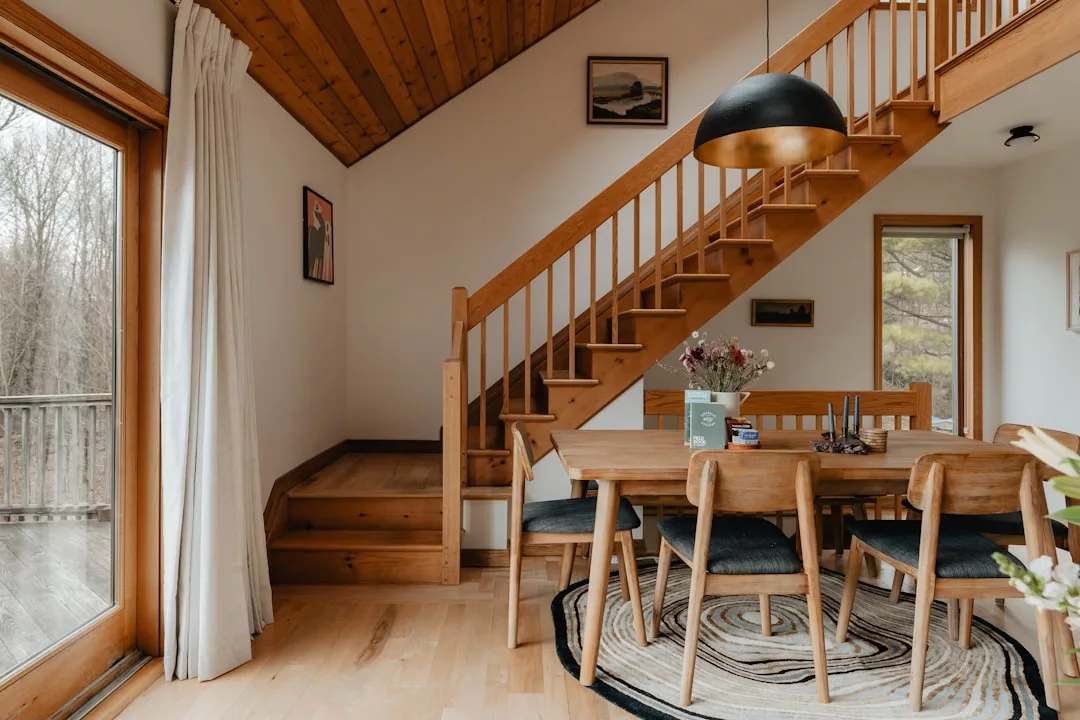
How Home Staging Can Enhance Your Property’s Sale Price in Ibiza
Home staging has become an essential practice in the real estate market, particularly in vibrant locales like Ibiza. This Mediterranean island, known …
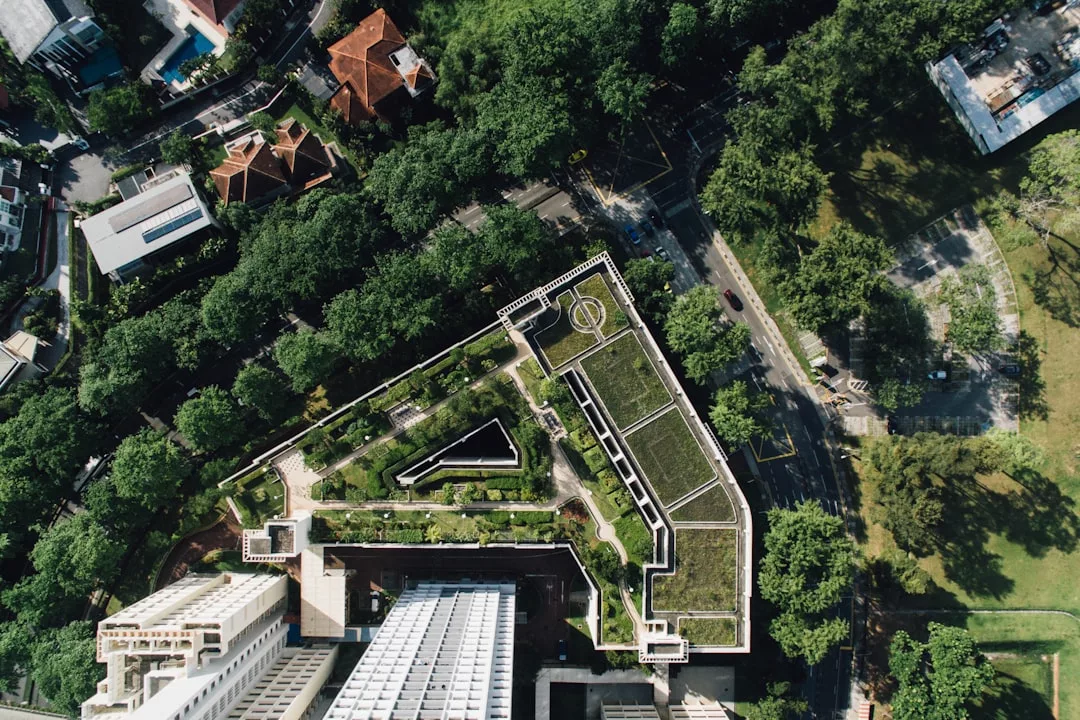
Sustainable Building Practices: Trends and Leaders in Ibiza
Sustainable building practices have emerged as a vital response to the pressing environmental challenges of our time. These practices encompass a rang…

Virtual Tours: How Ibiza Agents Utilize Cutting-Edge Technology
In recent years, the real estate industry has witnessed a significant transformation, largely driven by advancements in technology. Among these innova…