Ibiza · 38.91°N 1.43°E · File 1444
Sustainable Building Practices: Trends and Leaders in Ibiza
Sustainable building practices have emerged as a vital response to the pressing environmental challenges of our time. These practices encompass a range of strategies aimed at minim…

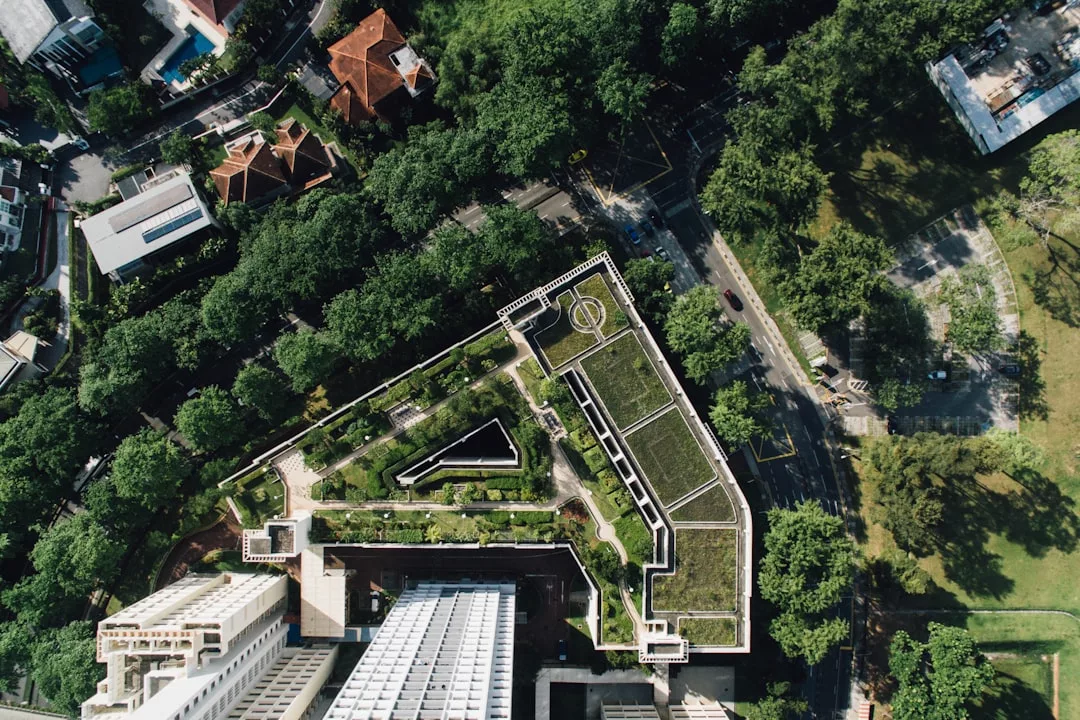

Sustainable building practices have emerged as a vital response to the pressing environmental challenges of our time. These practices encompass a range of strategies aimed at minimizing the ecological footprint of construction and promoting the efficient use of resources. By integrating renewable energy sources, utilizing sustainable materials, and implementing energy-efficient designs, sustainable building seeks to create structures that not only meet the needs of their occupants but also contribute positively to the environment.
This holistic approach to construction emphasizes the importance of considering the entire lifecycle of a building, from its conception and design to its eventual demolition or repurposing. In recent years, the global shift towards sustainability has gained momentum, with architects, builders, and policymakers increasingly recognizing the need for environmentally responsible practices. This movement is not merely a trend; it reflects a growing awareness of the impact that buildings have on climate change, resource depletion, and biodiversity loss.
As urban areas continue to expand and populations grow, the demand for sustainable building practices becomes even more critical. The construction industry is at a crossroads, where innovation and tradition must converge to create spaces that are not only functional but also sustainable for future generations.
Key Takeaways
- Sustainable building practices focus on reducing environmental impact, conserving resources, and creating healthier living spaces.
- Sustainable building is crucial in Ibiza due to its unique ecosystem, high tourism impact, and vulnerability to climate change.
- Trends in sustainable building in Ibiza include the use of renewable energy, green roofs, and natural materials.
- Leaders in sustainable building in Ibiza are driving innovation and setting new standards for eco-friendly construction.
- Case studies of sustainable building projects in Ibiza showcase successful examples of sustainable design, construction, and operation.
The Importance of Sustainable Building in Ibiza
Protecting Delicate Ecosystems
Sustainable building in Ibiza is crucial for several reasons. Firstly, it helps protect the island’s delicate ecosystems, which are home to diverse flora and fauna. By utilizing eco-friendly materials and construction methods, builders can minimize habitat destruction and pollution.Reducing Energy Consumption and Emissions
Secondly, sustainable buildings can significantly reduce energy consumption and greenhouse gas emissions, contributing to global efforts to combat climate change. The importance of sustainable building practices lies not only in their ability to mitigate environmental impacts but also in their potential to enhance the quality of life for residents and visitors alike.Trends in Sustainable Building Practices in Ibiza
In recent years, several trends have emerged in sustainable building practices across Ibiza. One notable trend is the increasing use of renewable energy sources, such as solar panels and wind turbines. Many new constructions are designed with energy efficiency in mind, incorporating technologies that harness natural resources to power homes and businesses.
This shift not only reduces reliance on fossil fuels but also lowers energy costs for occupants. Another significant trend is the emphasis on bioclimatic architecture, which focuses on designing buildings that harmonize with their natural surroundings. This approach takes into account factors such as local climate, topography, and vegetation to create structures that are naturally ventilated and well-insulated.
By maximizing natural light and minimizing energy consumption, bioclimatic architecture promotes a healthier living environment while reducing the overall carbon footprint of buildings. Builders are increasingly opting for locally sourced materials that have a lower environmental impact compared to traditional options.
This not only supports local economies but also reduces transportation emissions associated with importing materials from distant locations. The trend towards sustainable landscaping is also gaining traction, with an emphasis on native plants that require less water and maintenance.

Leaders in Sustainable Building Practices in Ibiza
Several individuals and organizations are leading the charge in promoting sustainable building practices in Ibiza. Architects such as Juan Carlos Ramos and his firm, Estudio Ramos, have gained recognition for their innovative designs that prioritize sustainability without compromising aesthetics. Their projects often feature green roofs, rainwater harvesting systems, and energy-efficient technologies that exemplify the principles of sustainable architecture.
In addition to individual architects, various organizations are advocating for sustainable development on the island. The Ibiza Preservation Foundation plays a crucial role in raising awareness about environmental issues and promoting sustainable practices among local businesses and residents. Their initiatives include educational programs, community engagement efforts, and partnerships with local governments to implement policies that support sustainability.
Moreover, some construction companies in Ibiza are pioneering eco-friendly building techniques. Companies like Ecoibiza specialize in sustainable construction methods that prioritize energy efficiency and environmental responsibility. By employing skilled craftsmen who are trained in green building practices, these companies are setting new standards for construction on the island.
Case Studies of Sustainable Building Projects in Ibiza
Several successful case studies illustrate the potential of sustainable building practices in Ibiza. One notable project is the Casa de la Luz, a private residence designed by architect Miguel Ángel García. This home incorporates passive solar design principles, allowing it to maintain comfortable temperatures year-round without relying heavily on mechanical heating or cooling systems.
The use of reclaimed materials and local stone further enhances its sustainability credentials while blending seamlessly with the surrounding landscape. Another exemplary project is the Can Caus restaurant, which showcases how sustainable design can be integrated into commercial spaces. The restaurant features an organic garden that supplies fresh produce for its menu, reducing its carbon footprint associated with food transportation.
Additionally, the building is equipped with solar panels and rainwater harvesting systems, demonstrating a commitment to environmental stewardship while providing a unique dining experience for patrons. These case studies highlight not only the feasibility of sustainable building practices in Ibiza but also their potential to inspire others within the community. By showcasing successful projects that prioritize sustainability, these examples serve as models for future developments on the island.

Challenges and Opportunities for Sustainable Building in Ibiza
Regulatory Framework: A Major Obstacle
One major obstacle is the regulatory framework governing construction on the island. Existing zoning laws and building codes may not always align with sustainable practices, making it difficult for developers to implement innovative solutions. Navigating these regulations can be time-consuming and costly, potentially discouraging investment in sustainable projects.The Need for Skilled Labor
Another challenge is the limited availability of skilled labor trained in sustainable construction techniques. As demand for eco-friendly buildings increases, there is a pressing need for education and training programs that equip workers with the necessary skills to meet this demand. Without a skilled workforce, the growth of sustainable building practices may be hindered.Opportunities for Advancing Sustainability
Despite these challenges, there are numerous opportunities for advancing sustainability in Ibiza’s construction sector. The increasing awareness of climate change and environmental issues among residents and visitors creates a favorable environment for promoting green building initiatives. Additionally, as technology continues to evolve, new materials and methods are emerging that can enhance sustainability while reducing costs. Furthermore, collaboration between stakeholders—such as architects, builders, local governments, and community organizations—can foster innovation and drive progress towards more sustainable practices. By working together to address challenges and share best practices, these stakeholders can create a more resilient and environmentally responsible built environment in Ibiza.The Future of Sustainable Building in Ibiza
The future of sustainable building in Ibiza looks promising as awareness continues to grow regarding the importance of environmental stewardship. With increasing pressure from both residents and tourists for eco-friendly options, developers are likely to prioritize sustainability in their projects moving forward. This shift will not only benefit the environment but also enhance the overall quality of life on the island.
As technology advances, we can expect to see even more innovative solutions being integrated into building designs. Smart home technologies that optimize energy use will become more prevalent, allowing residents to monitor their consumption patterns and make informed decisions about their energy usage. Additionally, advancements in materials science may lead to the development of new sustainable materials that are both cost-effective and environmentally friendly.
Moreover, as global trends continue to emphasize sustainability in all aspects of life—from travel to dining—Ibiza has an opportunity to position itself as a leader in eco-tourism. By showcasing its commitment to sustainable building practices, the island can attract visitors who prioritize environmental responsibility during their travels.
The Role of Sustainable Building in Shaping Ibiza’s Future
In conclusion, sustainable building practices play a crucial role in shaping the future of Ibiza as it navigates the challenges posed by rapid development and environmental degradation. By prioritizing sustainability in construction projects, Ibiza can protect its unique ecosystems while enhancing the quality of life for its residents and visitors alike. The trends emerging within this sector reflect a growing commitment to environmental responsibility that aligns with global efforts to combat climate change.
As leaders in sustainable building continue to emerge on the island—through innovative designs, community engagement initiatives, and successful case studies—the potential for positive change becomes increasingly evident. While challenges remain, they also present opportunities for collaboration and innovation that can drive progress towards a more sustainable future. Ultimately, by embracing sustainable building practices today, Ibiza can ensure that it remains a vibrant destination for generations to come—one that honors its natural beauty while fostering a culture of environmental stewardship.

Same market
More from Ibiza
Ibiza · 14 min
Ibiza Luxury Real Estate
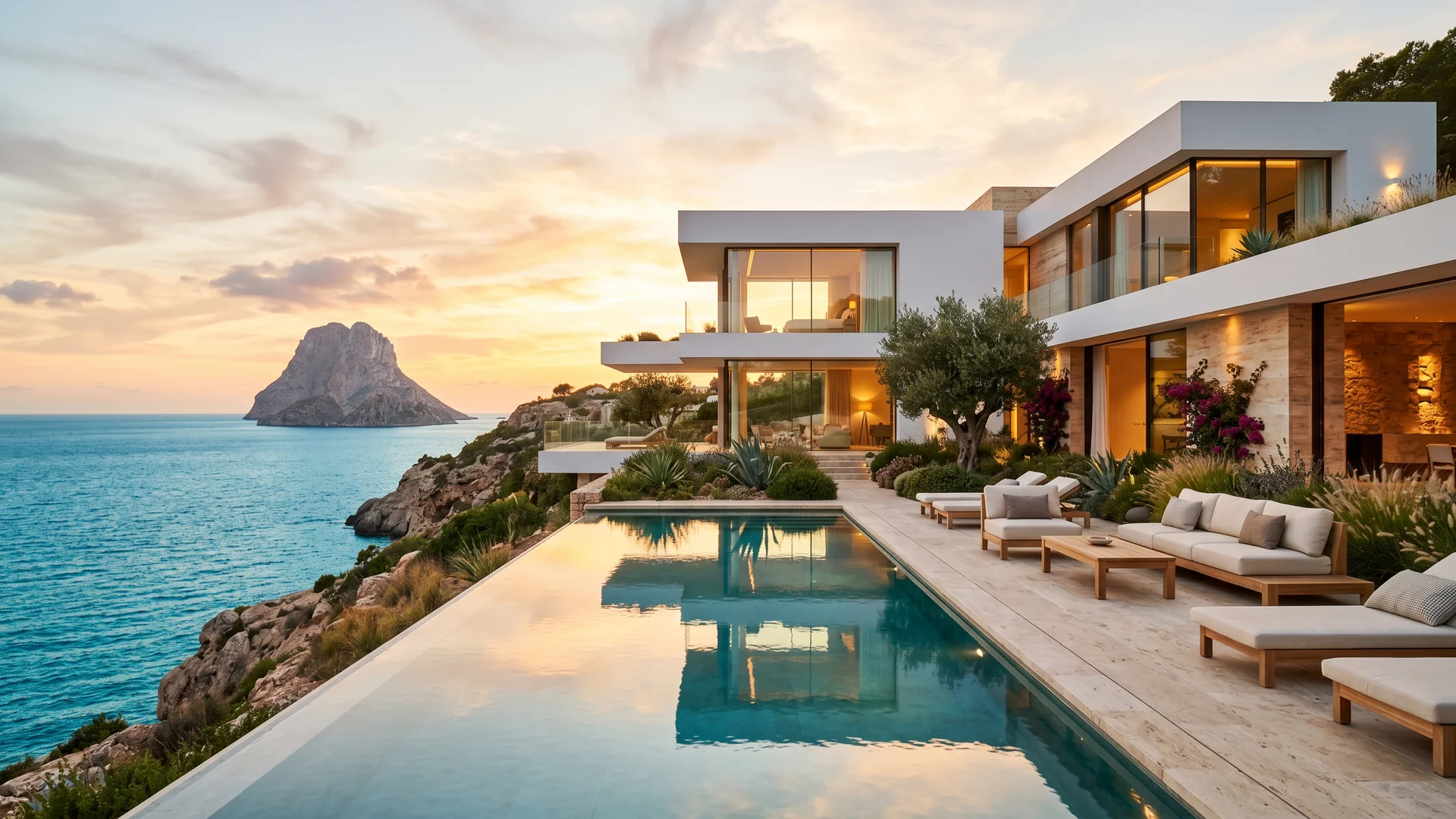
Ibiza luxury real estate guide: 1.4 billion euros in 2025 sales, prime prices up 7.5% yearly, top enclaves, villa rentals, architecture and tax advant…
Ibiza · 6 min
How Home Staging Can Enhance Your Property’s Sale Price in Ibiza
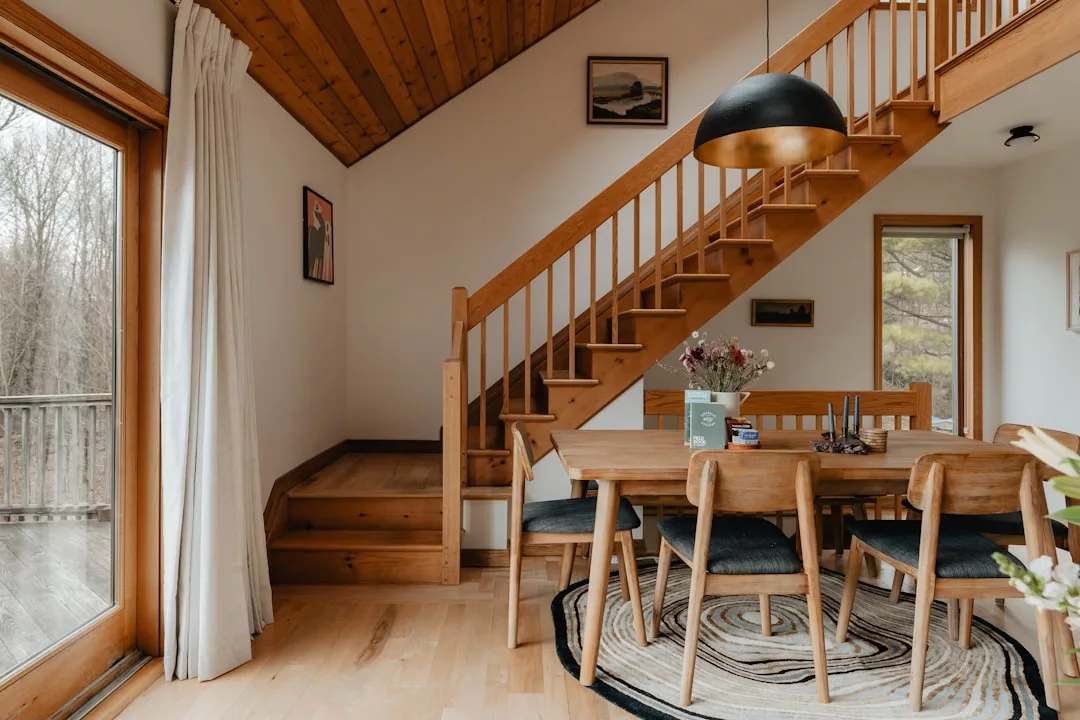
Home staging has become an essential practice in the real estate market, particularly in vibrant locales like Ibiza. This Mediterranean island, known …

Ibiza · 6 min
Virtual Tours: How Ibiza Agents Utilize Cutting-Edge Technology
In recent years, the real estate industry has witnessed a significant transformation, largely driven by advancements in technology. Among these innova…