Switzerland · 46.82°N 8.23°E · File 2704
Top Restaurants and Cultural Spots: Enhancing Lifestyle in Switzerland
Switzerland is often celebrated for its breathtaking landscapes and rich cultural heritage, but its culinary diversity is equally noteworthy. The country’s unique geographical posi…

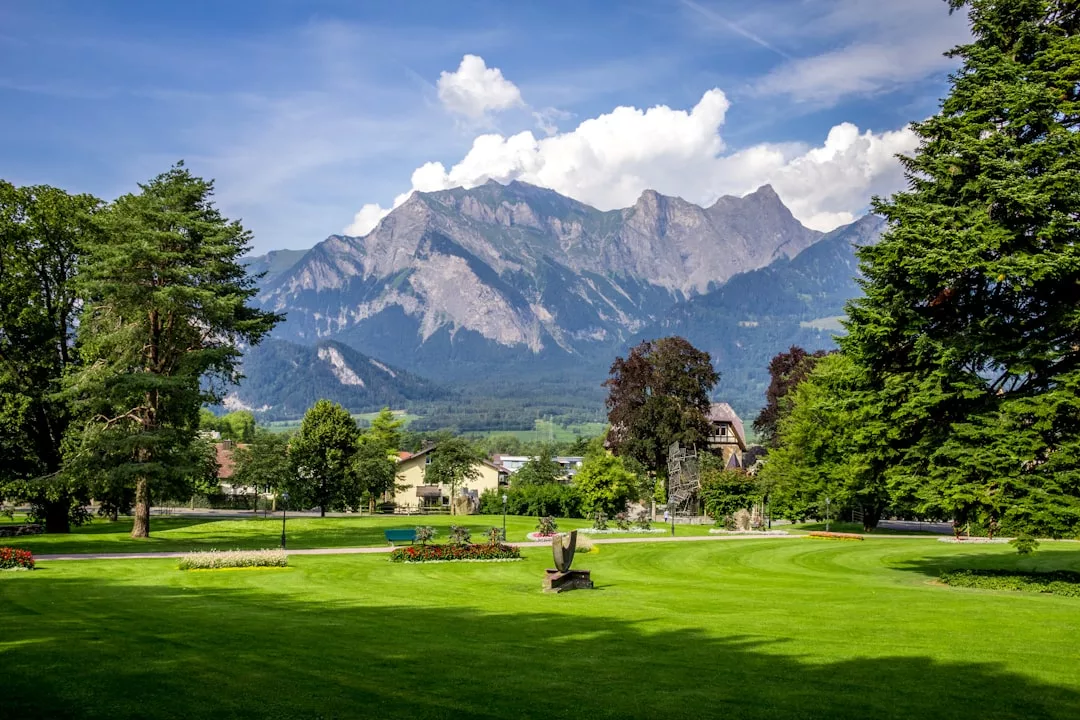

Switzerland is often celebrated for its breathtaking landscapes and rich cultural heritage, but its culinary diversity is equally noteworthy. The country’s unique geographical position at the crossroads of several major European cultures—German, French, and Italian—has resulted in a vibrant tapestry of flavors and cooking styles. Each region boasts its own specialties, reflecting the local ingredients and traditions.
For instance, in the German-speaking regions, hearty dishes like Rösti, a crispy potato dish, and Zürcher Geschnetzeltes, a creamy veal dish served with Rösti, are staples. Meanwhile, the French-speaking areas are known for their delicate pastries and cheese dishes, such as fondue and raclette, which have become synonymous with Swiss cuisine. The Italian influence is particularly prominent in the southern regions of Ticino, where polenta and risotto are common.
The use of fresh herbs, tomatoes, and olive oil in these dishes showcases the Mediterranean flair that permeates the local cuisine. Additionally, Switzerland’s commitment to high-quality ingredients is evident in its dairy products, particularly cheese. With over 1,500 varieties of cheese produced across the country, from the nutty Gruyère to the creamy Emmental, cheese plays a central role in Swiss culinary identity.
Key Takeaways
- Switzerland boasts a rich culinary diversity, with influences from its neighboring countries and regions within the country.
- The fusion of Swiss and international cuisine has led to the creation of unique and innovative dishes that cater to a wide range of tastes.
- Fine dining and Michelin-starred restaurants in Switzerland offer exquisite culinary experiences, showcasing the country’s top chefs and their creativity.
- Local food markets and farm-to-table dining options provide opportunities for visitors to savor fresh, locally sourced ingredients and support sustainable food practices.
- Switzerland’s cultural landmarks and historical sites offer a glimpse into the country’s rich heritage, from medieval castles to ancient Roman ruins.
Fusion of Swiss and International Cuisine
In recent years, Switzerland has seen a burgeoning trend of fusion cuisine that marries traditional Swiss dishes with international flavors. This culinary innovation is particularly evident in urban centers like Zurich and Geneva, where chefs are experimenting with global ingredients while honoring local traditions. For example, a popular dish might combine classic Swiss fondue with Asian elements by incorporating miso or kimchi into the cheese blend.
Such creative adaptations not only appeal to adventurous palates but also reflect the multicultural fabric of Swiss society. Restaurants are increasingly embracing this fusion approach, offering menus that feature unexpected combinations. A notable example is the use of Swiss chocolate in desserts that draw inspiration from various global cuisines.
A chocolate tart infused with spices like cardamom or chili can provide a delightful twist on a classic Swiss treat. Furthermore, food festivals across the country often showcase these innovative dishes, allowing chefs to present their unique interpretations of Swiss cuisine while celebrating international influences. This blending of culinary traditions not only enriches the dining experience but also fosters a sense of community among diverse cultural groups.
Fine Dining and Michelin-starred Restaurants
Switzerland is home to an impressive array of fine dining establishments, many of which have earned prestigious Michelin stars for their exceptional culinary artistry. The Michelin Guide has recognized numerous Swiss chefs for their innovative techniques and commitment to quality ingredients. For instance, Restaurant de l’Hôtel de Ville in Crissier has long been celebrated for its exquisite French-inspired cuisine, crafted by renowned chef Franck Giovannini.
The restaurant’s emphasis on seasonal produce and meticulous presentation exemplifies the high standards that define fine dining in Switzerland. Another notable establishment is The Dolder Grand in Zurich, which boasts a Michelin-starred restaurant helmed by chef Heiko Nieder. His menu features a harmonious blend of traditional Swiss flavors with contemporary techniques, creating dishes that are both visually stunning and deeply satisfying.
The ambiance of these fine dining venues often enhances the overall experience, with elegant decor and attentive service that cater to every guest’s needs. Dining at such establishments is not merely about the food; it is an immersive experience that engages all the senses and leaves a lasting impression.

Local Food Markets and Farm-to-Table Dining
Local food markets play a vital role in Switzerland’s culinary landscape, providing residents and visitors alike with access to fresh, seasonal produce and artisanal products. These markets not only offer an opportunity to purchase high-quality ingredients but also foster a sense of community among consumers who value sustainable practices and support local agriculture.
The farm-to-table movement has gained significant traction in Switzerland, with many restaurants prioritizing locally sourced ingredients in their menus. Chefs often establish direct relationships with farmers to ensure they receive the freshest produce available. This commitment to sustainability is reflected in dishes that highlight seasonal vegetables, meats, and cheeses from nearby farms.
For example, a restaurant might feature a salad made from heirloom tomatoes grown just a few kilometers away or a main course featuring grass-fed beef from local pastures. This approach not only enhances the flavor of the dishes but also promotes environmental stewardship and supports the local economy.
Cultural Landmarks and Historical Sites
Switzerland’s rich history is mirrored in its numerous cultural landmarks and historical sites that attract visitors from around the globe. The country is dotted with medieval castles, charming villages, and UNESCO World Heritage sites that tell the story of its past. One such landmark is Château de Chillon on Lake Geneva, which dates back to the 12th century and offers a glimpse into Switzerland’s feudal history.
Visitors can explore its well-preserved rooms and learn about its significance as a strategic fortress throughout the centuries. Another remarkable site is the Old Town of Bern, a UNESCO World Heritage site characterized by its medieval architecture and cobblestone streets. The Zytglogge clock tower, with its intricate astronomical clock, serves as a focal point for tourists and locals alike.
These historical sites not only provide insight into Switzerland’s architectural heritage but also serve as venues for cultural events and festivals that celebrate local traditions. By visiting these landmarks, one can gain a deeper appreciation for Switzerland’s diverse history and cultural evolution.

Art Galleries and Museums
Switzerland boasts a vibrant art scene that is reflected in its numerous galleries and museums dedicated to both contemporary and historical works. The Kunsthaus Zurich is one of the most prominent art institutions in the country, housing an extensive collection of Swiss art alongside masterpieces by international artists such as Alberto Giacometti and Marc Chagall. The museum frequently hosts temporary exhibitions that showcase emerging artists and innovative art movements, making it a dynamic space for art enthusiasts.
In addition to major institutions, smaller galleries throughout Switzerland contribute to the rich artistic landscape by promoting local talent and experimental works. For instance, the Fondation Beyeler near Basel features an impressive collection of modern classics set within a stunning architectural space designed by Renzo Piano. This foundation not only exhibits art but also engages with the community through educational programs and events that encourage dialogue about contemporary issues through the lens of art.
Together, these galleries and museums create a thriving cultural ecosystem that celebrates creativity in all its forms.
Music Venues and Theatres
Switzerland’s music scene is as diverse as its culinary offerings, with venues ranging from intimate jazz clubs to grand concert halls hosting world-class performances. The Zurich Opera House stands out as one of the premier venues for opera and classical music in Europe, attracting renowned conductors and soloists from around the world. Its rich programming includes not only traditional operas but also contemporary works that challenge conventional boundaries.
Theater also plays a significant role in Swiss culture, with numerous companies producing plays in various languages across the country. The Schauspielhaus Zurich is one of the leading theaters in Switzerland, known for its innovative productions that often explore social themes relevant to contemporary society. Additionally, smaller theaters throughout Switzerland provide platforms for local playwrights and performers to showcase their talents, fostering a vibrant performing arts community that reflects the country’s cultural diversity.
Festivals and Events Celebrating Swiss Traditions and Culture
Switzerland’s calendar is filled with festivals and events that celebrate its rich traditions and cultural heritage. One of the most iconic events is Fasnacht, a lively carnival celebrated in cities like Basel and Lucerne. This festival features elaborate parades with colorful costumes, music, and masks that reflect local folklore and history.
Participants engage in playful revelry while showcasing their creativity through intricate floats and performances. Another significant event is the Fête de l’Escalade in Geneva, commemorating the city’s successful defense against an attack in 1602. This festival includes historical reenactments, street performances, and traditional foods such as chocolate cauldrons filled with marzipan figures representing the enemy soldiers.
These celebrations not only provide entertainment but also serve as important reminders of Switzerland’s resilience and cultural identity. Through these festivals, communities come together to honor their shared history while embracing the vibrancy of contemporary Swiss culture.

Same market
More from Switzerland
Switzerland · 16 min
Swiss Alps Property Guide
Swiss Alps property guide: explore luxury real estate in St. Moritz, Gstaad, Verbier and Zermatt, with prices, Lex Koller rules, yields and tax insigh…
Switzerland · 8 min
Choosing Between Urban and Rural Living in Switzerland
Urban living in Switzerland offers a unique blend of modernity and tradition, characterized by vibrant city life, cultural diversity, and a plethora o…

Switzerland · 6 min
Pricing Strategies for Apartments and Chalets in Switzerland
The Swiss real estate market is characterized by its unique blend of stability, high demand, and a diverse range of properties. Switzerland’s po…