Switzerland · 46.82°N 8.23°E · File 2586
Choosing Between Urban and Rural Living in Switzerland
Urban living in Switzerland offers a unique blend of modernity and tradition, characterized by vibrant city life, cultural diversity, and a plethora of amenities. Cities like Zuric…

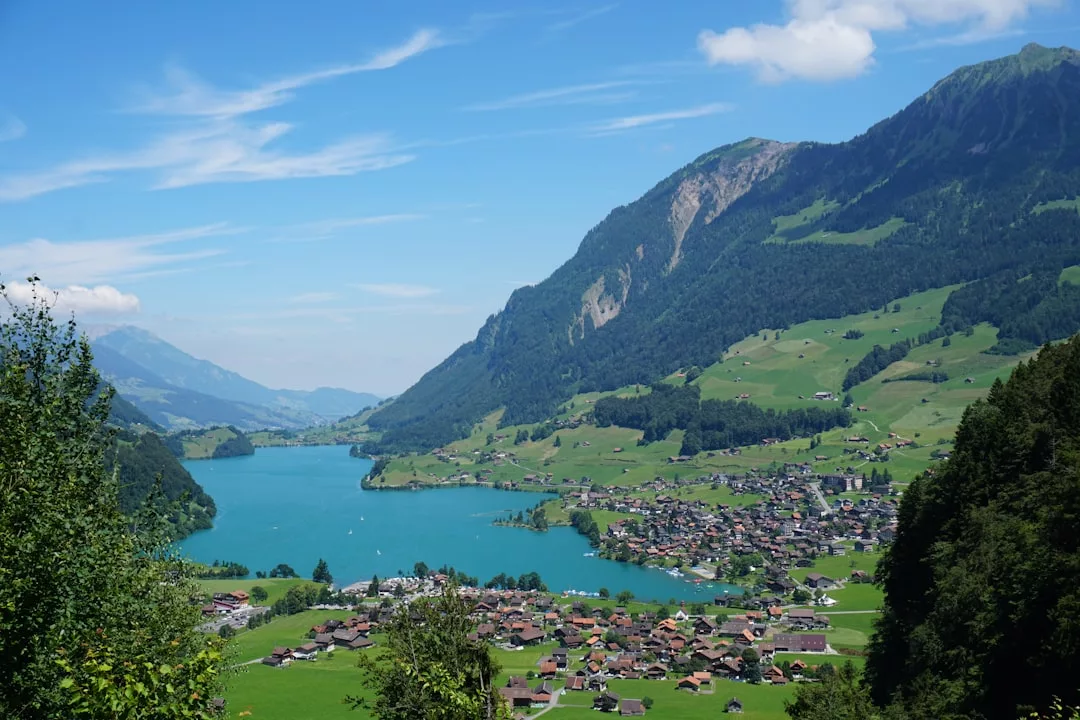

Urban living in Switzerland offers a unique blend of modernity and tradition, characterized by vibrant city life, cultural diversity, and a plethora of amenities. Cities like Zurich, Geneva, and Basel are not only economic powerhouses but also cultural hubs that attract individuals from all walks of life. One of the most significant advantages of urban living is the accessibility to a wide range of services and facilities.
Residents can enjoy world-class healthcare, educational institutions, and recreational activities, all within a short distance. The public transportation system is highly efficient, making it easy to navigate the cities and surrounding areas without the need for a personal vehicle. However, urban living is not without its drawbacks.
The cost of living in Swiss cities is notoriously high, with housing prices often reaching astronomical levels. This can lead to financial strain for many residents, particularly those who are just starting their careers or are on fixed incomes. Additionally, urban areas can be crowded and noisy, which may detract from the quality of life for some individuals.
The fast-paced lifestyle can also lead to increased stress levels, as residents juggle work commitments and social obligations in a bustling environment. Furthermore, the environmental impact of urbanization, including air pollution and waste management challenges, poses significant concerns for sustainability.
Key Takeaways
- Urban living in Switzerland offers convenient access to amenities and cultural activities, but comes with higher living costs and crowded living conditions.
- Rural living in Switzerland provides a peaceful and close-knit community, but may lack access to certain services and employment opportunities.
- The cost of living in urban areas of Switzerland is generally higher due to higher housing and transportation costs, while rural areas offer more affordable living expenses.
- Urban areas in Switzerland have a wider range of healthcare and education options, while rural areas may have limited access to specialized services and schools.
- Employment opportunities in urban Switzerland are more diverse and abundant, while rural areas may offer fewer job options and career advancement opportunities.
- Urban Switzerland has well-developed transportation and infrastructure systems, while rural areas may have limited public transportation and access to certain amenities.
- Urban areas in Switzerland offer a variety of social and cultural activities, while rural areas may have a more traditional and community-focused lifestyle.
- Environmental considerations in urban Switzerland include pollution and limited green spaces, while rural areas offer cleaner air and natural landscapes but may lack certain amenities.
The Advantages and Disadvantages of Rural Living in Switzerland
Rural living in Switzerland presents a stark contrast to urban life, offering tranquility, natural beauty, and a close-knit community atmosphere. The picturesque landscapes of the Swiss countryside, with their rolling hills, pristine lakes, and majestic mountains, provide an idyllic setting for those seeking a slower pace of life. One of the primary advantages of rural living is the opportunity to connect with nature.
Residents can engage in outdoor activities such as hiking, skiing, and cycling right at their doorstep. This proximity to nature often contributes to a healthier lifestyle and improved mental well-being. On the flip side, rural living comes with its own set of challenges.
Access to essential services such as healthcare and education can be limited compared to urban areas. While many rural communities have schools and clinics, they may not offer the same level of resources or specialized care found in cities. Employment opportunities can also be scarce, particularly in specialized fields, leading some residents to commute long distances for work or face higher unemployment rates.
Additionally, social activities may be more limited in rural areas, which can lead to feelings of isolation for those who thrive on social interaction.
The cost of living in Switzerland varies significantly between urban and rural areas, reflecting the economic dynamics and lifestyle choices associated with each environment. In urban centers like Zurich and Geneva, housing costs dominate the budget of residents. Rent prices can be exorbitant; for instance, a one-bedroom apartment in Zurich can easily exceed CHF 2,000 per month.
This high demand for housing is driven by the influx of professionals and expatriates seeking employment opportunities in these cities. Conversely, rural areas generally offer a more affordable cost of living.
Housing prices are significantly lower; a similar one-bedroom apartment in a rural town might cost around CHF 1,000 or less per month. This affordability extends to other aspects of life as well—groceries and local produce are often cheaper due to lower overhead costs for businesses outside urban centers. However, while rural living may seem financially advantageous at first glance, residents must consider potential trade-offs such as limited access to high-paying jobs and specialized services that could impact long-term financial stability.
Healthcare and Education Options in Urban and Rural Switzerland
Healthcare in Switzerland is renowned for its quality; however, access varies considerably between urban and rural areas. In cities like Geneva and Zurich, residents benefit from a plethora of hospitals, clinics, and specialized medical practitioners. These urban centers are equipped with cutting-edge technology and offer a wide range of services from routine check-ups to advanced surgical procedures.
Moreover, the presence of numerous healthcare professionals ensures that patients have access to timely care without long waiting periods. In contrast, rural areas may face challenges regarding healthcare access. While many villages have local clinics staffed by general practitioners, specialized medical services often require travel to larger towns or cities.
This can pose difficulties for residents who may not have reliable transportation or who require immediate care. Similarly, educational opportunities differ significantly between urban and rural settings. Urban areas boast prestigious universities and international schools that attract students from around the globe.
In contrast, rural schools may have smaller class sizes but might lack advanced placement programs or specialized courses that are more readily available in urban institutions.


Employment Opportunities in Urban and Rural Switzerland
The job market in Switzerland is heavily influenced by geography, with urban areas offering a wealth of employment opportunities across various sectors. Cities like Zurich serve as financial hubs with numerous banks, multinational corporations, and tech startups providing diverse career paths for professionals. The concentration of industries in urban settings fosters networking opportunities and career advancement that are often less accessible in rural regions.
Additionally, urban areas tend to attract a highly skilled workforce due to their educational institutions and training programs. On the other hand, rural areas often struggle with limited job prospects. While agriculture remains a significant sector in many rural communities, opportunities in other fields such as technology or finance may be scarce.
This lack of diversity can lead to higher unemployment rates or force residents to commute long distances to urban centers for work. However, some individuals find fulfillment in local businesses or tourism-related jobs that capitalize on the natural beauty of the countryside. The challenge lies in balancing the desire for a fulfilling career with the benefits of rural living.
Transportation infrastructure is one of Switzerland’s strong suits; however, it varies significantly between urban and rural areas. In cities like Zurich and Geneva, public transportation systems are extensive and efficient. Residents can rely on trams, buses, and trains to navigate the city seamlessly without needing a car.
The integration of various modes of transport allows for easy commuting within the city as well as connections to other regions across the country. While many villages are connected by regional bus services or train lines, these options may be less frequent or require longer travel times compared to urban public transport systems.
Consequently, residents in rural areas often rely on personal vehicles for daily commuting or errands. This reliance on cars can lead to increased costs associated with vehicle maintenance and fuel while also contributing to environmental concerns related to carbon emissions.
Social and Cultural Activities in Urban and Rural Switzerland
Urban living in Switzerland is synonymous with a rich tapestry of social and cultural activities that cater to diverse interests. Cities host an array of events ranging from art exhibitions and music festivals to culinary experiences that celebrate both local traditions and international influences. For instance, Zurich’s Street Parade attracts thousands each year with its vibrant celebration of electronic music and culture.
Additionally, theaters, museums, and galleries abound in urban centers, providing residents with ample opportunities for cultural enrichment. Conversely, rural areas may offer a more subdued social scene but possess their own unique charm. Local festivals celebrating regional traditions often bring communities together in ways that foster strong bonds among residents.
Events such as harvest festivals or traditional Swiss fairs highlight local crafts and cuisine while promoting community spirit. However, the limited availability of cultural activities can lead some individuals to feel isolated or disconnected from broader cultural trends that thrive in urban environments.
Environmental Considerations in Urban and Rural Switzerland
Environmental sustainability is an increasingly pressing concern across the globe, including Switzerland’s urban and rural landscapes. Urban areas face challenges related to pollution, waste management, and energy consumption due to their dense populations and industrial activities. Cities like Geneva have implemented initiatives aimed at reducing carbon footprints through improved public transportation systems and green building practices; however, the sheer volume of inhabitants presents ongoing challenges.
In contrast, rural areas often benefit from cleaner air and less pollution due to lower population densities and greater access to natural spaces. The emphasis on agriculture in these regions also promotes sustainable practices such as organic farming and local food production that contribute positively to environmental health. However, rural communities must also grapple with issues such as land use changes driven by development pressures or climate change impacts on agriculture.
Balancing economic growth with environmental stewardship remains a critical consideration for both urban planners and rural policymakers alike as they navigate the complexities of sustainable development in Switzerland’s diverse landscapes.

Same market
More from Switzerland
Switzerland · 16 min
Swiss Alps Property Guide
Swiss Alps property guide: explore luxury real estate in St. Moritz, Gstaad, Verbier and Zermatt, with prices, Lex Koller rules, yields and tax insigh…

Switzerland · 6 min
Pricing Strategies for Apartments and Chalets in Switzerland
The Swiss real estate market is characterized by its unique blend of stability, high demand, and a diverse range of properties. Switzerland’s po…

Switzerland · 7 min
Top Properties with Mountain Views as Investment Opportunities in Switzerland
Switzerland is renowned for its breathtaking landscapes, and the allure of mountain views is a significant draw for both tourists and potential proper…