Mallorca · 39.62°N 2.99°E · File 434
Tips for Planning and Implementing Garden and Landscape Design
Before embarking on any landscaping project, it is crucial to take a step back and assess your space and specific needs. This initial evaluation serves as the foundation for your d…

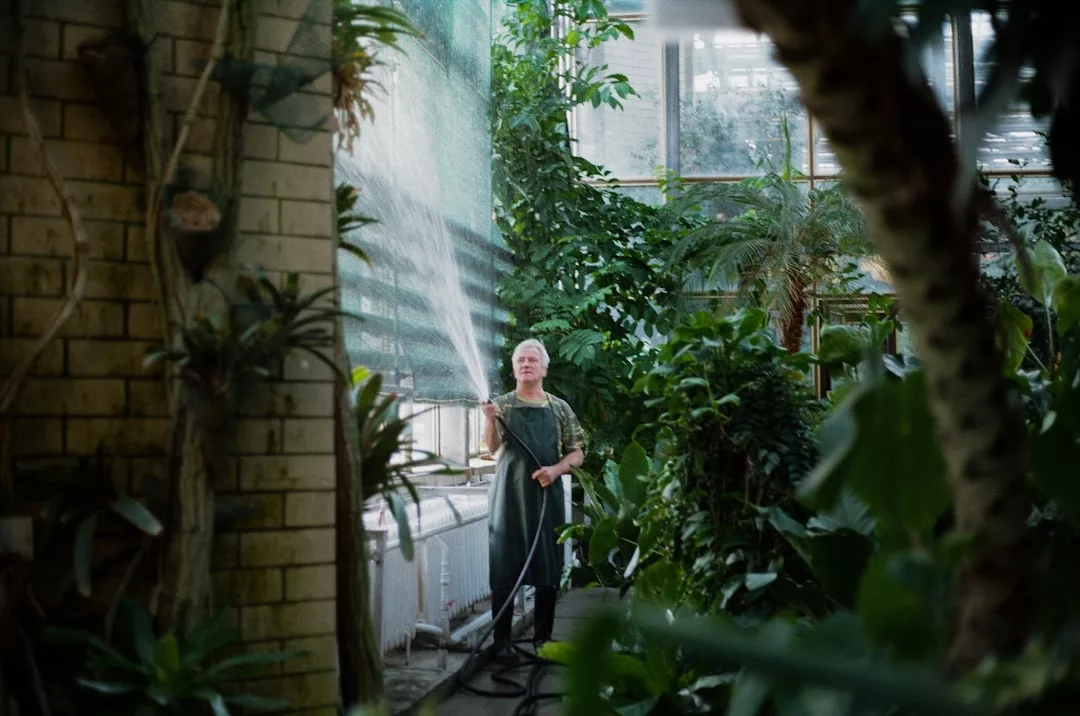

Before embarking on any landscaping project, it is crucial to take a step back and assess your space and specific needs. This initial evaluation serves as the foundation for your design, ensuring that the final outcome aligns with your lifestyle and preferences. Begin by observing the dimensions of your yard or garden, noting the areas that receive sunlight and shade throughout the day.
Understanding the microclimates within your space will help you select appropriate plants and materials that thrive in those conditions. Additionally, consider how you intend to use the space. Are you looking to create a tranquil retreat for relaxation, a vibrant area for entertaining guests, or perhaps a functional garden for growing vegetables?
Identifying your primary goals will guide your design choices and help you prioritize features that enhance your outdoor experience. Take into account any existing structures, such as patios or fences, and how they can be integrated into your overall vision. By thoroughly assessing your space and needs, you lay the groundwork for a successful landscaping project that reflects your personal style and enhances your outdoor living experience.
Key Takeaways
- Assess your space and needs: Consider the size and layout of your outdoor area and what you want to use it for.
- Set a budget: Determine how much you are willing to spend on your outdoor design and stick to it.
- Research and gather inspiration: Look for ideas and styles that appeal to you and will work well in your space.
- Consider the maintenance: Choose plants and materials that fit your lifestyle and the amount of time you can dedicate to upkeep.
- Choose the right plants and materials: Select items that are suitable for your climate and will thrive in your outdoor environment.
Set a Budget
Once you have a clear understanding of your space and needs, the next step is to establish a budget for your landscaping project. Setting a financial limit is essential to avoid overspending and ensure that you can achieve your desired results without breaking the bank. Begin by determining how much you are willing to invest in the project, taking into consideration both materials and labor costs.
It’s wise to allocate a portion of your budget for unexpected expenses, as unforeseen issues often arise during landscaping projects. When creating your budget, research the costs associated with various elements of landscaping, such as plants, soil, hardscaping materials, and professional services if needed. This research will provide you with a realistic understanding of what you can achieve within your financial constraints.
Additionally, consider prioritizing certain features over others; for instance, if you have your heart set on a specific type of patio but need to compromise on plant selection, this approach allows you to focus your resources where they matter most. By setting a budget early in the process, you can make informed decisions that align with both your vision and financial capabilities.
Research and Gather Inspiration
With a budget in place, it’s time to dive into research and gather inspiration for your landscaping project. The world of landscaping is vast and varied, offering countless styles, themes, and ideas to explore. Start by browsing through gardening magazines, websites, and social media platforms like Pinterest or Instagram, where you can find an abundance of visual inspiration.
Create a mood board or digital folder to collect images that resonate with you—whether it’s a lush garden filled with colorful blooms or a sleek modern patio with clean lines. As you gather ideas, pay attention to the elements that appeal to you most.
Understanding what draws you in will help you refine your vision and create a cohesive design. Additionally, consider visiting local botanical gardens or landscaped parks to see various plants and designs in person. This firsthand experience can provide valuable insights into how different elements work together in real-life settings.
By immersing yourself in research and inspiration, you’ll be better equipped to create a landscape that reflects your unique style and preferences.

Consider the Maintenance
While envisioning a beautiful landscape is exciting, it’s essential to consider the maintenance required to keep it looking its best over time. Different plants and materials come with varying levels of upkeep, so it’s crucial to choose options that align with your lifestyle and willingness to invest time in maintenance. For instance, if you have a busy schedule or prefer low-maintenance solutions, opt for drought-resistant plants or native species that require less water and care.
Additionally, think about the long-term sustainability of your landscape design. Incorporating features such as mulch beds can help retain moisture in the soil and reduce weed growth, while strategically placed hardscaping can minimize lawn areas that require regular mowing. If you’re unsure about what maintenance entails for specific plants or materials, consult with local gardening experts or landscape professionals who can provide guidance tailored to your region’s climate and conditions.
By considering maintenance from the outset, you can create a landscape that not only looks stunning but also fits seamlessly into your lifestyle.
Choose the Right Plants and Materials
Selecting the right plants and materials is one of the most critical aspects of any landscaping project. The choices you make will significantly impact both the aesthetic appeal and functionality of your outdoor space. Start by considering the climate in your area; choosing plants that are well-suited to local conditions will ensure they thrive with minimal effort on your part.
Native plants are often an excellent choice as they are adapted to the local environment and typically require less water and care. In addition to climate considerations, think about the overall design theme you wish to achieve. Do you prefer a formal garden with symmetrical layouts or a more relaxed cottage-style garden filled with wildflowers?
The materials you choose should complement this theme; for example, natural stone may lend itself well to a rustic design, while sleek concrete might be better suited for a modern aesthetic. Don’t forget about seasonal interest—selecting a variety of plants that bloom at different times throughout the year will ensure that your landscape remains vibrant and engaging no matter the season. By carefully choosing plants and materials that align with both your vision and environmental conditions, you can create a stunning landscape that endures over time.

Plan for Functionality and Flow
As you finalize your landscaping design, it’s essential to plan for functionality and flow within the space. A well-designed landscape should not only be visually appealing but also practical for everyday use. Consider how people will move through the area; pathways should be clear and inviting, guiding visitors seamlessly from one section of the garden to another.
Think about creating distinct zones for different activities—such as dining areas, play spaces for children, or quiet nooks for relaxation—while ensuring these areas are connected in a way that feels natural. Incorporating elements such as seating areas or outdoor kitchens can enhance functionality while also encouraging social interaction. Additionally, consider how different features will work together; for instance, placing seating near flowering plants can create an inviting atmosphere where people can enjoy both beauty and comfort.
Lighting is another crucial aspect of functionality; strategically placed lights can extend the usability of outdoor spaces into the evening hours while also highlighting key features of your landscape design. By prioritizing functionality and flow in your planning process, you can create an outdoor environment that is not only beautiful but also enhances daily living.
Seek Professional Help if Needed
While many homeowners take on landscaping projects themselves, there are times when seeking professional help is beneficial or even necessary. If your project involves complex elements such as grading changes, extensive hardscaping, or intricate irrigation systems, hiring a landscape designer or contractor may save you time and ensure high-quality results. Professionals bring expertise in design principles, plant selection, and construction techniques that can elevate your project beyond what might be achievable on your own. Look for reviews or testimonials from previous clients and ask to see examples of their work. A good landscape designer will listen to your ideas while also providing valuable insights based on their experience.
They can help refine your vision into a practical plan that meets both aesthetic goals and functional needs. Additionally, professionals often have access to resources such as wholesale plant nurseries or specialized equipment that can enhance the efficiency of your project. By enlisting expert assistance when needed, you can ensure that your landscaping project is executed smoothly and effectively.
Implement and Maintain Your Design
After all the planning and preparation, it’s time to implement your landscaping design! This phase involves bringing together all the elements you’ve carefully chosen—plants, materials, pathways—and transforming your vision into reality. Depending on the scale of your project, this may involve significant labor if you’re doing it yourself or coordinating with professionals if you’ve enlisted their help.
Regardless of how you proceed, ensure that each element is installed according to best practices; proper planting techniques and material placement are crucial for long-term success. Once your landscape is complete, ongoing maintenance becomes essential to preserve its beauty and functionality. Regular tasks such as watering, pruning, weeding, and fertilizing will help keep plants healthy while also preventing overgrowth or decay from detracting from the overall appearance of your space.
Establishing a maintenance schedule can help ensure that these tasks are completed consistently without becoming overwhelming. Additionally, take time to observe how your landscape evolves over time; some plants may thrive while others may need replacing or adjusting based on their performance in your specific environment. In conclusion, creating a beautiful landscape requires careful consideration at every stage—from assessing space needs to implementing design elements effectively.
By following these steps diligently and remaining mindful of maintenance requirements along the way, you can cultivate an outdoor space that not only enhances your property but also enriches your life for years to come.

Same market
More from Mallorca
Mallorca · 14 min
Luxury Finca Complete Guide
Luxury finca guide for Mallorca: prime locations, prices from 1.5M to 25M euros, restoration costs, water rights and a 7.2% growth rate driving this r…
Mallorca · 14 min
Mediterranean Villa Buying Guide
Mediterranean villa buying guide 2026: prices, yields and tax across Spain, France, Italy, Greece, Croatia and Montenegro in a 320 billion euro luxury…
Mallorca · 16 min
Mallorca Luxury Real Estate Guide
Mallorca luxury real estate guide: 2025 prices from 2 to 45 million euros, top areas like Portals Nous and Port d’Andratx, taxes, Golden Visa an…