Mallorca · 39.62°N 2.99°E · File 450
Sustainable Building: Eco-Friendly Properties in Mallorca
Sustainable building, often referred to as green building, is an approach that seeks to minimize the environmental impact of construction while promoting the health and well-being …
Sustainable building, often referred to as green building, is an approach that seeks to minimize the environmental impact of construction while promoting the health and well-being of its occupants. This concept has gained significant traction in recent years, driven by a growing awareness of climate change, resource depletion, and the need for more responsible consumption. Sustainable building encompasses a wide range of practices, from the selection of eco-friendly materials to the implementation of energy-efficient technologies.
It aims not only to reduce the carbon footprint of buildings but also to create spaces that are conducive to a better quality of life. In Mallorca, a region known for its stunning landscapes and rich cultural heritage, the principles of sustainable building are becoming increasingly relevant. The island’s unique environment and tourism-driven economy present both challenges and opportunities for sustainable development.
As more people recognize the importance of preserving Mallorca’s natural beauty, there is a growing demand for properties that align with eco-friendly practices. This article will explore the benefits of sustainable building, the practices being adopted in Mallorca, and the future of eco-friendly properties on the island.
Key Takeaways
- Sustainable building focuses on creating structures that are environmentally responsible and resource-efficient
- Eco-friendly properties offer benefits such as lower operating costs, improved occupant health, and reduced environmental impact
- Mallorca has embraced sustainable building practices, including the use of renewable energy sources and water conservation measures
- Eco-friendly materials and design principles, such as using recycled materials and optimizing natural light, are key components of sustainable building
- Energy-efficient features in sustainable properties include solar panels, energy-efficient appliances, and smart home technology
Benefits of Eco-Friendly Properties
The advantages of eco-friendly properties extend far beyond mere aesthetics; they encompass economic, environmental, and social dimensions. One of the most significant benefits is the reduction in energy consumption. Sustainable buildings are designed to be energy-efficient, which translates into lower utility bills for homeowners and tenants.
By utilizing renewable energy sources such as solar panels and wind turbines, these properties can significantly decrease their reliance on fossil fuels, contributing to a more sustainable energy landscape. Moreover, eco-friendly properties often enhance the quality of life for their occupants. Many sustainable buildings prioritize natural light, ventilation, and the use of non-toxic materials, creating healthier living environments.
This focus on well-being can lead to improved mental and physical health outcomes for residents. Additionally, as awareness of environmental issues grows, properties that adhere to sustainable practices are becoming increasingly desirable in the real estate market. This trend not only boosts property values but also attracts environmentally conscious buyers who are willing to invest in homes that reflect their values.
Sustainable Building Practices in Mallorca
In Mallorca, sustainable building practices are gaining momentum as architects, builders, and homeowners embrace innovative solutions to reduce their environmental impact.
Local authorities are also playing a crucial role in promoting sustainable building practices. Incentives such as tax breaks and grants for eco-friendly renovations encourage property owners to invest in sustainable upgrades. Furthermore, community initiatives aimed at raising awareness about sustainability have led to increased collaboration among stakeholders in the construction industry.
As a result, more projects are being designed with sustainability in mind, from residential homes to commercial buildings.

Eco-Friendly Materials and Design
The choice of materials is a fundamental aspect of sustainable building. In Mallorca, builders are increasingly opting for locally sourced materials that have a lower environmental impact. For instance, natural stone from local quarries not only blends seamlessly with the island’s landscape but also reduces transportation emissions associated with importing materials from distant locations.
Additionally, reclaimed wood and recycled materials are gaining popularity as builders seek to minimize waste and promote circular economy principles. Design plays a pivotal role in enhancing sustainability as well. Architects are focusing on creating spaces that maximize natural light and ventilation, reducing the need for artificial lighting and air conditioning.
Open floor plans and strategically placed windows allow for better airflow and light distribution, contributing to energy efficiency. Furthermore, incorporating green roofs and living walls into designs not only improves insulation but also promotes biodiversity by providing habitats for local flora and fauna.
Energy-Efficient Features in Sustainable Properties
Energy efficiency is at the heart of sustainable building practices, and properties in Mallorca are increasingly equipped with advanced technologies that reduce energy consumption. One common feature is the installation of solar panels, which harness the abundant sunlight available on the island. These systems can significantly lower electricity bills while providing a renewable source of energy for heating water and powering appliances.
In addition to solar energy, many sustainable properties incorporate smart home technologies that optimize energy use. Smart thermostats, energy-efficient lighting systems, and automated shading devices allow homeowners to monitor and control their energy consumption more effectively. These features not only enhance comfort but also contribute to significant savings over time.
As technology continues to evolve, we can expect even more innovative solutions to emerge in the realm of energy efficiency.

Green Certification and Standards
Global Recognition for Sustainable Buildings
Certifications such as LEED (Leadership in Energy and Environmental Design) and BREEAM (Building Research Establishment Environmental Assessment Method) provide frameworks for evaluating a building’s environmental performance.Benefits of Green Certification
Obtaining green certification not only enhances a property’s marketability but also instills confidence in buyers regarding its sustainability credentials. These certifications assess various aspects of a building’s design and operation, including energy efficiency, water conservation, indoor air quality, and sustainable site development.A Greener Future for Mallorca
As more properties in Mallorca pursue these certifications, it signals a collective commitment to fostering a greener future for the island.Sustainable Landscaping and Outdoor Spaces
Sustainable landscaping is an essential component of eco-friendly properties in Mallorca. The island’s unique climate presents both challenges and opportunities for creating outdoor spaces that are both beautiful and environmentally responsible. Native plants are increasingly being used in landscaping designs as they require less water and maintenance compared to non-native species.
This approach not only conserves water resources but also supports local biodiversity by providing habitats for native wildlife. Moreover, sustainable landscaping practices often incorporate features such as rain gardens and permeable paving to manage stormwater runoff effectively. These designs help prevent erosion and reduce pollution by allowing rainwater to infiltrate into the ground rather than overwhelming drainage systems.
By creating outdoor spaces that harmonize with the natural environment, property owners can enhance their connection to nature while promoting ecological health.
Future of Sustainable Building in Mallorca
The future of sustainable building in Mallorca looks promising as awareness continues to grow regarding the importance of environmental stewardship. With increasing pressure from climate change and resource scarcity, both consumers and policymakers are recognizing the need for more sustainable practices in construction and development. As a result, we can expect to see continued innovation in building technologies and materials that prioritize sustainability.
Furthermore, as tourism remains a vital part of Mallorca’s economy, there is an opportunity for the hospitality industry to embrace sustainable practices as well. Eco-friendly hotels and resorts can attract environmentally conscious travelers who seek authentic experiences while minimizing their impact on the environment. By investing in sustainable infrastructure, Mallorca can position itself as a leader in responsible tourism while preserving its natural beauty for future generations.
In conclusion, sustainable building practices are transforming Mallorca’s architectural landscape while promoting environmental responsibility and enhancing quality of life for residents. As more stakeholders commit to eco-friendly principles, the island is poised to become a model for sustainable development in the Mediterranean region. The journey toward sustainability is ongoing, but with collective efforts from builders, policymakers, and communities alike, Mallorca can pave the way for a greener future that honors its rich heritage while safeguarding its natural resources.
Same market
More from Mallorca
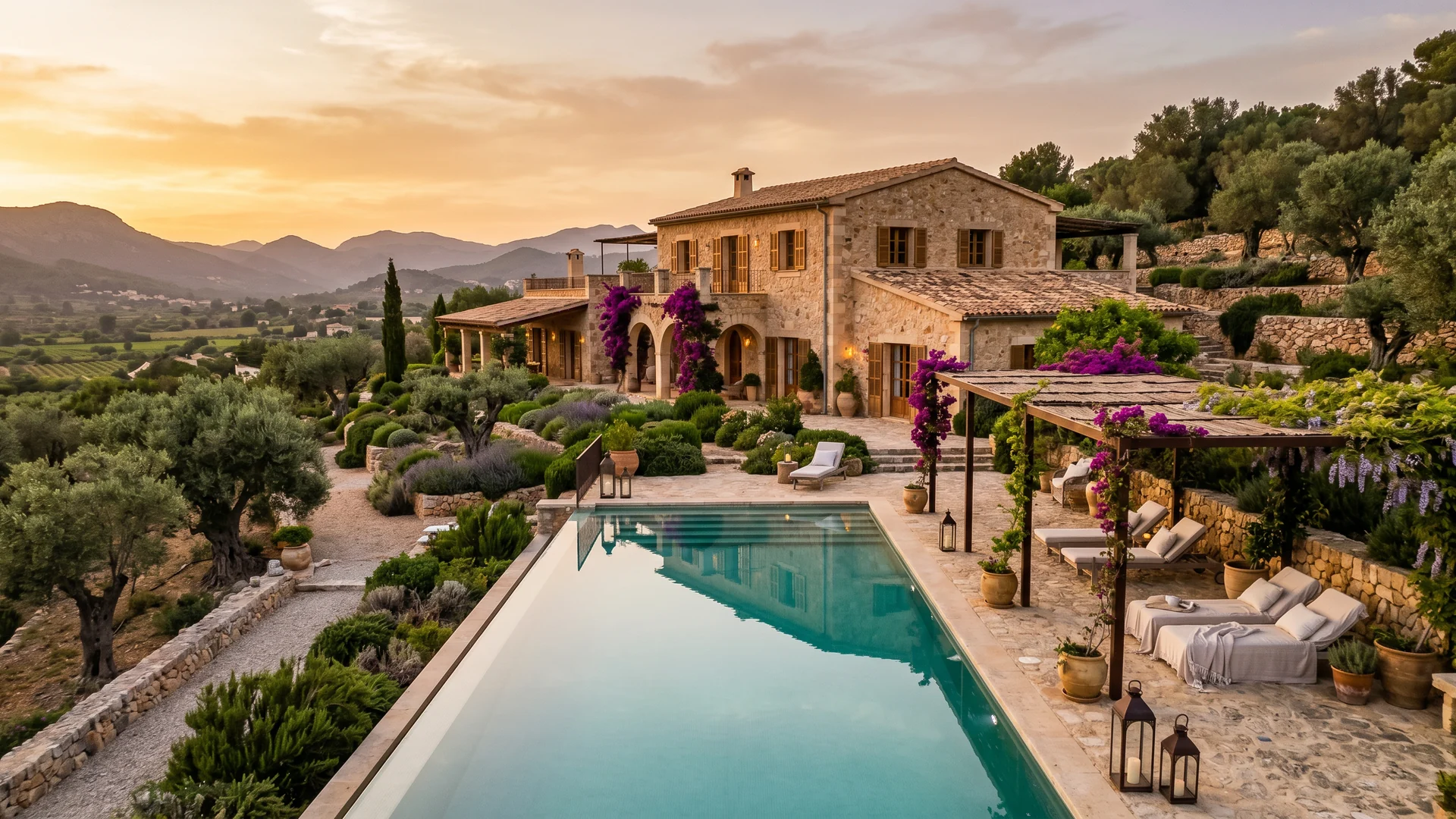
Mallorca · 14 min
Luxury Finca Complete Guide
Luxury finca guide for Mallorca: prime locations, prices from 1.5M to 25M euros, restoration costs, water rights and a 7.2% growth rate driving this r…
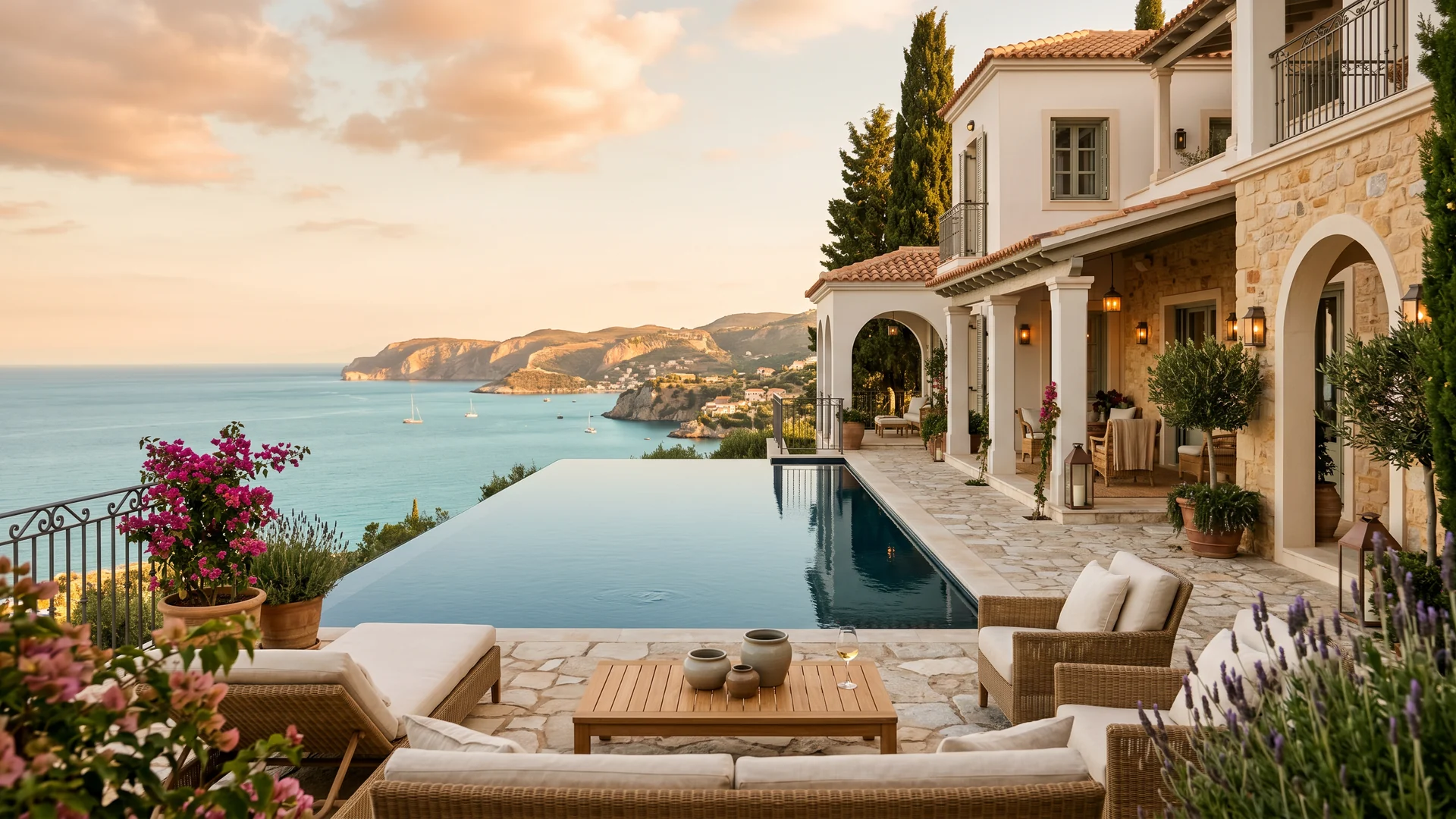
Mallorca · 14 min
Mediterranean Villa Buying Guide
Mediterranean villa buying guide 2026: prices, yields and tax across Spain, France, Italy, Greece, Croatia and Montenegro in a 320 billion euro luxury…
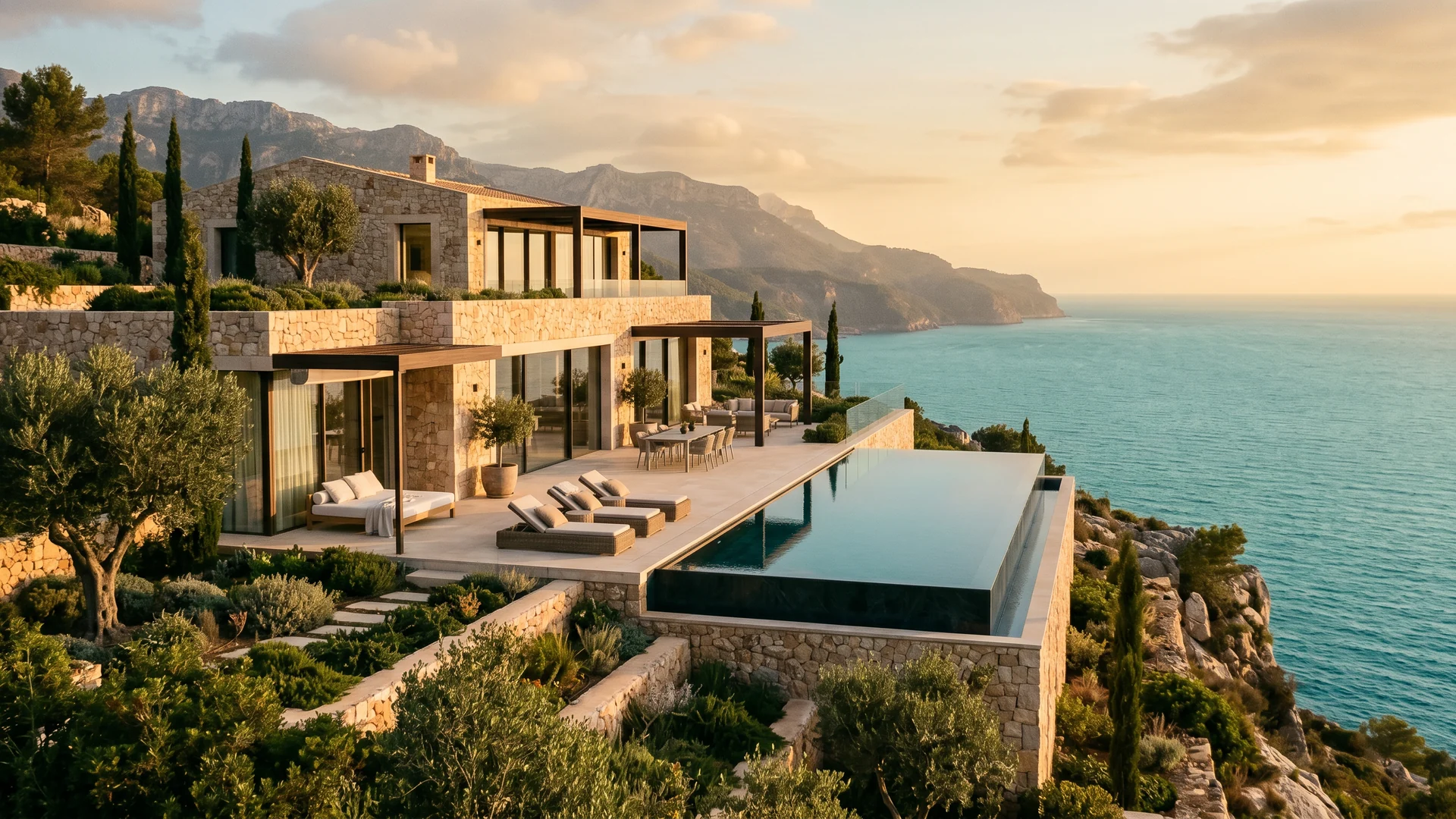
Mallorca · 16 min
Mallorca Luxury Real Estate Guide
Mallorca luxury real estate guide: 2025 prices from 2 to 45 million euros, top areas like Portals Nous and Port d’Andratx, taxes, Golden Visa an…