Mallorca · 39.62°N 2.99°E · File 217
Real Estate Market in Mallorca Embracing Sustainable and Eco-Friendly Construction
Mallorca, the largest island in the Balearic archipelago, has long been a coveted destination for both tourists and property investors. Its stunning landscapes, rich cultural herit…

Mallorca, the largest island in the Balearic archipelago, has long been a coveted destination for both tourists and property investors. Its stunning landscapes, rich cultural heritage, and temperate Mediterranean climate make it an attractive locale for those seeking a second home or a lucrative investment opportunity. Over the past few decades, the real estate market in Mallorca has experienced significant growth, driven by a combination of international demand and local development initiatives.
The island’s appeal is not limited to its natural beauty; it also boasts a robust infrastructure, including modern amenities, excellent transport links, and a vibrant local economy. As the real estate market continues to evolve, there is a growing emphasis on sustainability and eco-friendliness. This shift is not merely a trend but a response to increasing awareness of environmental issues and the need for responsible development.
Buyers are becoming more discerning, often prioritizing properties that align with their values regarding sustainability. Consequently, developers are adapting their strategies to meet this demand, leading to a burgeoning market for eco-friendly properties.
Key Takeaways
- Mallorca’s real estate market is experiencing a shift towards sustainable and eco-friendly construction practices.
- Embracing sustainable construction in Mallorca offers benefits such as cost savings, energy efficiency, and improved property value.
- Challenges in implementing sustainable practices in Mallorca include high initial costs, lack of awareness, and resistance to change.
- Innovative eco-friendly construction technologies and materials, such as green roofs and recycled building materials, are gaining popularity in Mallorca.
- Government policies and incentives are driving sustainable real estate development in Mallorca, creating opportunities for developers and investors.
Sustainable and Eco-Friendly Construction Trends in Mallorca
In recent years, Mallorca has witnessed a notable shift towards sustainable and eco-friendly construction practices. This trend is characterized by the integration of environmentally responsible materials and energy-efficient technologies in new developments. Architects and builders are increasingly focusing on designs that minimize environmental impact while maximizing energy efficiency.
For instance, many new residential projects incorporate solar panels, rainwater harvesting systems, and high-quality insulation to reduce energy consumption and promote self-sufficiency. Moreover, the use of local materials has gained traction among developers aiming to reduce their carbon footprint. By sourcing stone, wood, and other building materials from within the island, builders not only support the local economy but also decrease transportation emissions associated with importing materials from distant locations.
This practice not only enhances the aesthetic appeal of properties by maintaining a connection to the island’s architectural heritage but also fosters a sense of community and sustainability.
Benefits of Embracing Sustainable Construction in the Real Estate Market
The benefits of embracing sustainable construction practices in Mallorca’s real estate market are manifold. Firstly, properties built with eco-friendly principles tend to have lower operational costs due to reduced energy consumption. Homeowners can enjoy significant savings on utility bills as energy-efficient systems and renewable energy sources become more prevalent.
This financial incentive is particularly appealing to buyers who are increasingly conscious of their long-term expenses. Additionally, sustainable properties often have higher resale values. As the demand for eco-friendly homes continues to rise, buyers are willing to pay a premium for properties that offer sustainable features.
This trend is supported by studies indicating that homes with green certifications or energy-efficient ratings tend to sell faster and at higher prices compared to traditional homes. Furthermore, sustainable construction practices contribute positively to the environment by reducing waste, conserving resources, and promoting biodiversity. This holistic approach not only benefits individual homeowners but also enhances the overall quality of life in Mallorca.

Challenges and Obstacles in Implementing Sustainable Practices in Mallorca
Despite the clear advantages of sustainable construction, several challenges hinder its widespread adoption in Mallorca’s real estate market. One significant obstacle is the initial cost associated with implementing eco-friendly technologies and materials. While long-term savings can be substantial, the upfront investment required for solar panels, high-quality insulation, or sustainable building materials can deter some developers and buyers.
This financial barrier often leads to a preference for traditional construction methods that may be less expensive initially but do not offer the same long-term benefits. Regulatory hurdles also pose challenges for sustainable development in Mallorca. The island’s planning regulations can be complex and may not always favor innovative building practices.
Developers often face bureaucratic delays when seeking permits for eco-friendly projects, which can discourage investment in sustainable initiatives. Additionally, there may be a lack of awareness or understanding among local authorities regarding the benefits of sustainable construction, leading to resistance against new practices that deviate from traditional methods.
Innovative Eco-Friendly Construction Technologies and Materials
The landscape of eco-friendly construction is continually evolving, with innovative technologies and materials emerging to address environmental concerns. In Mallorca, several cutting-edge solutions are gaining traction among builders and developers. One notable example is the use of prefabricated modular construction techniques.
These methods allow for faster assembly on-site while minimizing waste during the building process. Prefabricated components can be manufactured in controlled environments, ensuring higher quality and reducing the environmental impact associated with traditional construction methods. Another exciting development is the incorporation of smart home technologies into new builds.
These systems enable homeowners to monitor and control energy usage more effectively, optimizing efficiency and reducing waste. For instance, smart thermostats can learn user preferences and adjust heating or cooling accordingly, while smart lighting systems can automatically turn off when rooms are unoccupied. Such technologies not only enhance comfort but also contribute significantly to energy conservation.

Government Policies and Incentives for Sustainable Real Estate Development
The government plays a crucial role in promoting sustainable real estate development in Mallorca through various policies and incentives. Local authorities have recognized the importance of sustainability in urban planning and have begun implementing regulations that encourage eco-friendly practices. For example, there are zoning laws that favor green building projects or provide density bonuses for developments that meet specific sustainability criteria.
In addition to regulatory support, financial incentives are also available for developers who prioritize sustainability. Grants or tax breaks may be offered for projects that incorporate renewable energy sources or achieve certain environmental certifications. These incentives not only alleviate some of the financial burdens associated with sustainable construction but also signal to developers that the government is committed to fostering an environmentally responsible real estate market.
Examples of Successful Sustainable Real Estate Projects in Mallorca
Several successful sustainable real estate projects in Mallorca serve as exemplars of eco-friendly construction practices. One notable project is the “Son Vida Green” development, which features luxury villas designed with sustainability at their core. These homes utilize advanced energy-efficient technologies such as geothermal heating systems and solar panels while incorporating local materials into their design.
The project has garnered attention not only for its aesthetic appeal but also for its commitment to minimizing environmental impact. Another inspiring example is the “Eco-Resort” located on the island’s northern coast. This resort was built using sustainable materials sourced from local suppliers and features an extensive green roof that promotes biodiversity while providing insulation benefits.
The resort also employs rainwater harvesting systems and greywater recycling to minimize water usage. Such projects demonstrate that it is possible to create luxurious living spaces without compromising environmental integrity.
Future Outlook for Sustainable and Eco-Friendly Construction in Mallorca’s Real Estate Market
The future outlook for sustainable and eco-friendly construction in Mallorca’s real estate market appears promising as awareness of environmental issues continues to grow among consumers and developers alike. As more buyers prioritize sustainability in their property searches, developers will likely respond by incorporating green features into their projects to remain competitive in an evolving market landscape. Furthermore, advancements in technology will continue to drive innovation in sustainable construction practices.
As new materials and building techniques emerge, they will enable developers to create even more efficient and environmentally friendly properties. The integration of smart technologies will also play a significant role in shaping the future of real estate in Mallorca, allowing homeowners to manage their energy consumption more effectively. In conclusion, as Mallorca’s real estate market embraces sustainability as a core principle, it sets a precedent for responsible development that balances economic growth with environmental stewardship.
The island stands at a crossroads where tradition meets innovation, paving the way for a future where eco-friendly living becomes not just an option but a standard expectation among homeowners and investors alike.
Same market
More from Mallorca
Mallorca · 14 min
Luxury Finca Complete Guide
Luxury finca guide for Mallorca: prime locations, prices from 1.5M to 25M euros, restoration costs, water rights and a 7.2% growth rate driving this r…
Mallorca · 14 min
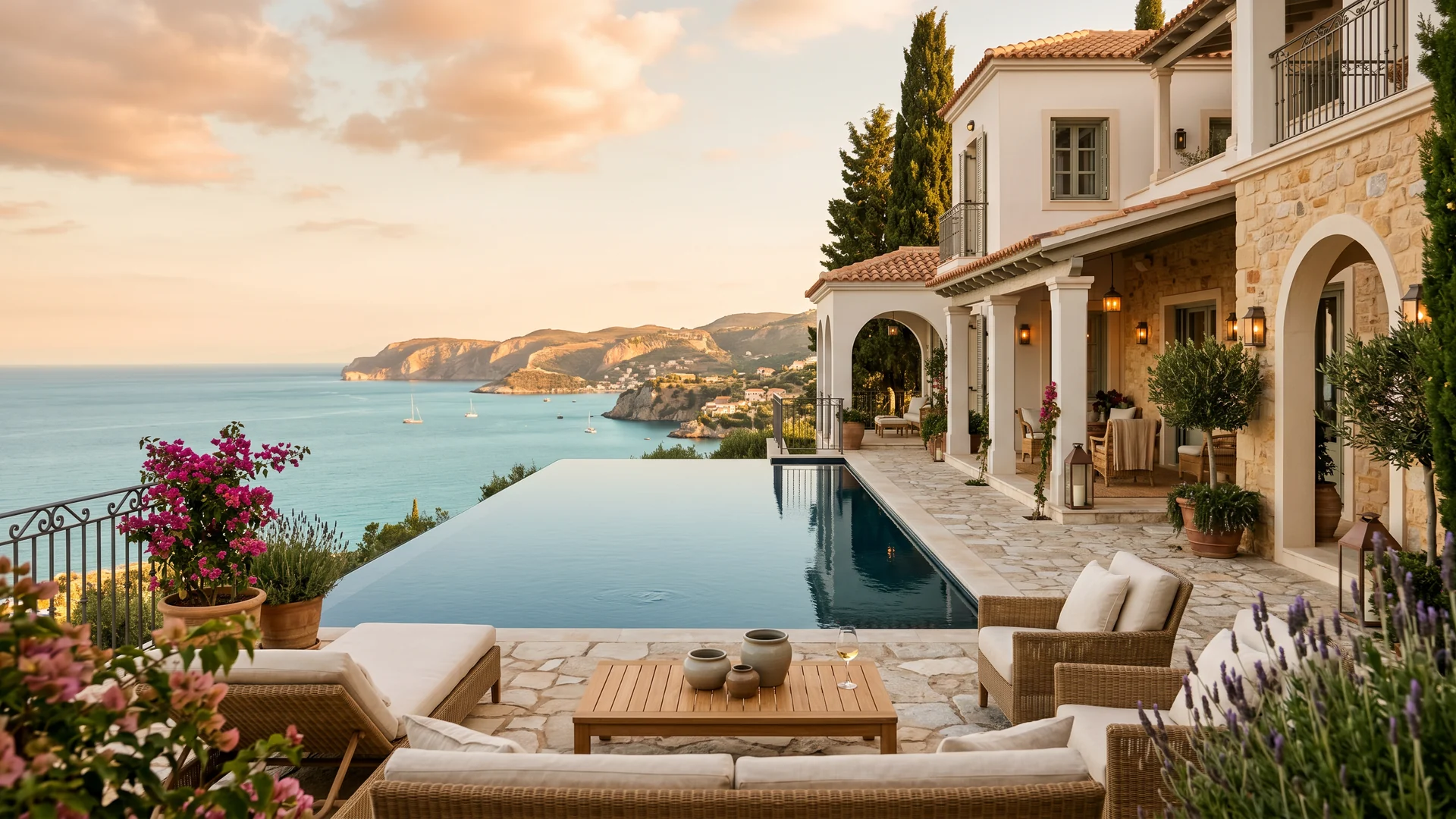
Mediterranean Villa Buying Guide
Mediterranean villa buying guide 2026: prices, yields and tax across Spain, France, Italy, Greece, Croatia and Montenegro in a 320 billion euro luxury…
Mallorca · 16 min
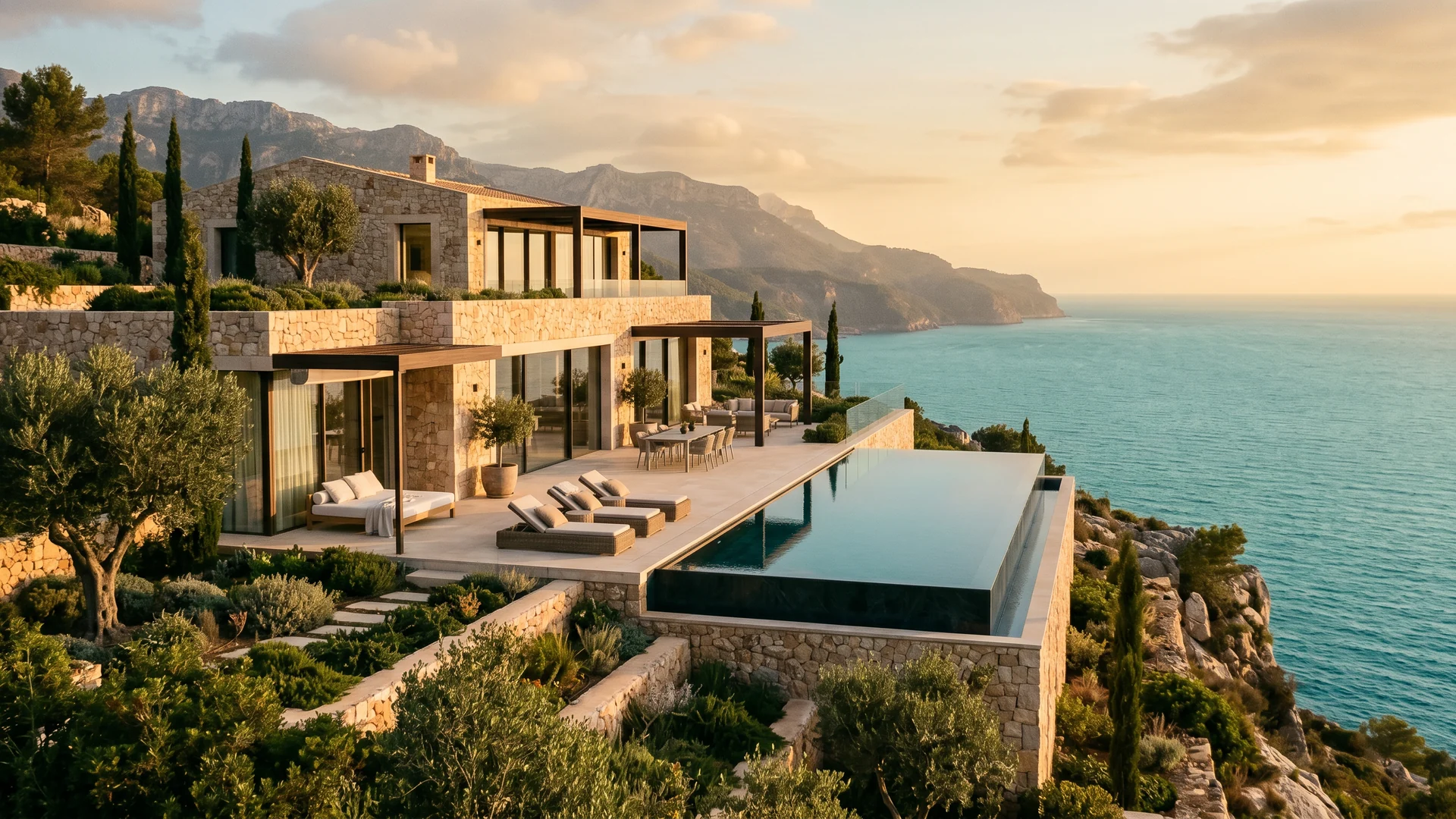
Mallorca Luxury Real Estate Guide
Mallorca luxury real estate guide: 2025 prices from 2 to 45 million euros, top areas like Portals Nous and Port d’Andratx, taxes, Golden Visa an…