Mallorca · 39.62°N 2.99°E · File 416
The Importance of Sustainability in Modern Housing
In recent years, the concept of sustainability has gained significant traction, particularly in the realm of housing. As urban populations swell and environmental concerns escalate…

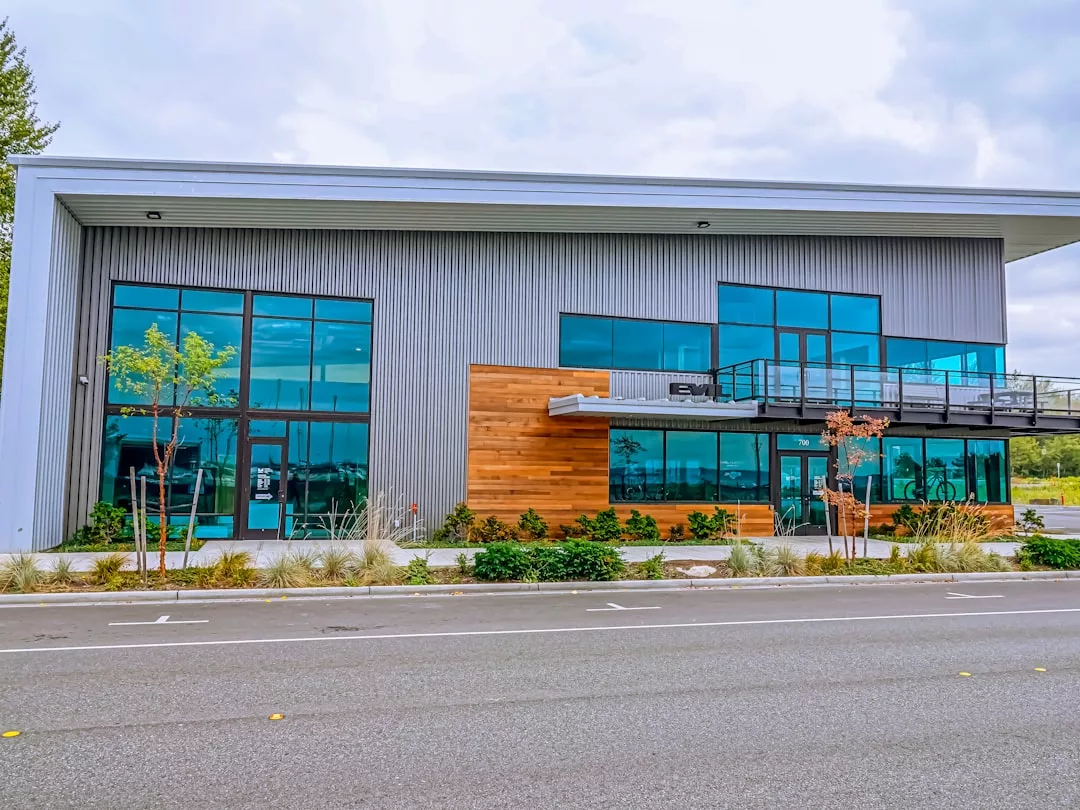

In recent years, the concept of sustainability has gained significant traction, particularly in the realm of housing. As urban populations swell and environmental concerns escalate, the need for sustainable housing solutions has never been more pressing. Sustainability in modern housing encompasses a holistic approach that integrates environmental stewardship, economic viability, and social equity.
It is not merely about constructing buildings that are energy-efficient or using eco-friendly materials; it is about creating living spaces that harmonize with their surroundings, promote well-being, and foster community engagement. The urgency for sustainable housing is underscored by the growing awareness of climate change and its far-reaching consequences.
The challenge lies in reimagining how we build and inhabit our homes, ensuring that future generations inherit a planet that is not only livable but thriving. This article delves into the multifaceted aspects of sustainable housing, exploring its environmental impact, benefits, materials, energy efficiency, social implications, policy support, and future trends.
Key Takeaways
- Sustainability in modern housing is essential for reducing environmental impact and promoting a healthier and more efficient way of living.
- Unsustainable housing practices contribute to pollution, deforestation, and depletion of natural resources, leading to negative environmental impacts.
- Sustainable housing offers benefits such as lower energy costs, improved indoor air quality, and reduced carbon footprint, making it a more attractive option for homeowners.
- The use of sustainable building materials and design techniques can significantly reduce the environmental impact of housing construction and maintenance.
- Energy efficiency measures, such as solar panels and smart home technology, play a crucial role in promoting sustainability in housing and reducing energy consumption.
Environmental Impact of Unsustainable Housing
The environmental repercussions of unsustainable housing practices are profound and far-reaching. Traditional construction methods often rely on non-renewable resources, leading to significant carbon emissions and depletion of natural habitats. The extraction of raw materials such as timber, minerals, and fossil fuels contributes to deforestation, soil erosion, and loss of biodiversity.
Furthermore, the energy-intensive processes involved in manufacturing building materials exacerbate greenhouse gas emissions, further straining our planet’s delicate ecosystems. In addition to the direct environmental impacts of construction, unsustainable housing also contributes to long-term issues such as urban sprawl and increased waste generation. As cities expand outward to accommodate growing populations, green spaces are sacrificed for new developments, leading to habitat fragmentation and increased reliance on automobiles.
This not only heightens air pollution but also contributes to the urban heat island effect, where cities become significantly warmer than their rural counterparts. The cumulative effect of these practices poses a serious threat to both local and global environments, necessitating a shift towards more sustainable housing solutions.
Benefits of Sustainable Housing
The transition to sustainable housing offers a myriad of benefits that extend beyond environmental considerations. One of the most significant advantages is the potential for cost savings over time. While the initial investment in sustainable building practices may be higher, the long-term savings on energy bills and maintenance costs can be substantial.
Energy-efficient homes often utilize advanced technologies that reduce consumption, leading to lower utility expenses for homeowners. Additionally, many sustainable features, such as solar panels or high-efficiency appliances, can qualify for tax incentives or rebates, further offsetting initial costs. Beyond financial savings, sustainable housing promotes healthier living environments.
Traditional homes often contain harmful materials such as volatile organic compounds (VOCs) and asbestos, which can adversely affect indoor air quality. In contrast, sustainable homes prioritize the use of non-toxic materials and incorporate ventilation systems that enhance air circulation. This focus on health extends to the design of living spaces that encourage natural light and outdoor access, fostering a sense of well-being among residents.
Ultimately, sustainable housing not only addresses environmental concerns but also enhances the quality of life for individuals and families.

Sustainable Building Materials and Design
The choice of building materials plays a crucial role in the sustainability of modern housing. Sustainable building materials are those that are sourced responsibly, have a low environmental impact during their lifecycle, and contribute positively to the health of occupants. For instance, bamboo is an increasingly popular alternative to traditional timber due to its rapid growth rate and renewability.
Similarly, recycled materials such as reclaimed wood or repurposed metal can significantly reduce waste while adding unique character to homes. In addition to material selection, sustainable design principles emphasize efficiency and functionality. Concepts such as passive solar design harness natural energy sources to regulate indoor temperatures without relying heavily on mechanical systems.
This approach not only reduces energy consumption but also creates comfortable living spaces that adapt to seasonal changes. Furthermore, designs that incorporate green roofs or living walls can enhance insulation while promoting biodiversity in urban settings. By prioritizing both aesthetics and functionality, sustainable housing can create environments that are both beautiful and ecologically responsible.
Energy Efficiency and Sustainable Housing
Energy efficiency is a cornerstone of sustainable housing practices. Homes designed with energy efficiency in mind utilize advanced technologies and strategies to minimize energy consumption while maximizing comfort. High-performance insulation, energy-efficient windows, and smart home systems are just a few examples of how modern homes can significantly reduce their energy footprint.
These features not only lower utility bills but also contribute to a reduction in overall greenhouse gas emissions. Moreover, the integration of renewable energy sources into residential design has become increasingly feasible and popular. Solar panels have emerged as a leading solution for homeowners seeking to harness clean energy from the sun.
By generating their own electricity, residents can reduce their reliance on fossil fuels while potentially earning credits through net metering programs. Wind turbines and geothermal heating systems are also gaining traction as viable options for sustainable energy generation in residential settings. As technology continues to advance, the potential for energy-efficient homes to contribute to a more sustainable future becomes increasingly promising.

Community and Social Impact of Sustainable Housing
Sustainable housing extends beyond individual benefits; it has profound implications for communities as a whole. By prioritizing environmentally friendly practices and social equity, sustainable housing initiatives can foster stronger community ties and enhance overall quality of life. For instance, developments that incorporate mixed-income housing promote diversity and inclusivity within neighborhoods, ensuring that individuals from various socioeconomic backgrounds can access safe and affordable living spaces.
Additionally, sustainable housing projects often emphasize community engagement and participation in the planning process. By involving residents in decision-making, developers can create spaces that reflect the needs and desires of the community. This collaborative approach not only strengthens social bonds but also empowers individuals to take ownership of their environment.
Furthermore, sustainable neighborhoods often prioritize walkability and access to public transportation, reducing reliance on cars and promoting healthier lifestyles through increased physical activity.
Government and Policy Support for Sustainable Housing
Government support plays a pivotal role in advancing sustainable housing initiatives. Policymakers at local, state, and national levels have begun to recognize the importance of promoting environmentally responsible building practices through various incentives and regulations. For instance, many jurisdictions offer tax credits or grants for homeowners who invest in energy-efficient upgrades or renewable energy installations.
These financial incentives can significantly lower barriers to entry for individuals seeking to adopt sustainable practices. In addition to financial support, governments can implement zoning regulations that encourage sustainable development patterns. By prioritizing mixed-use developments and transit-oriented design, policymakers can create urban environments that reduce dependence on automobiles while promoting walkability and community interaction.
Furthermore, building codes can be updated to require higher standards for energy efficiency and sustainability in new construction projects. Through comprehensive policy frameworks that support sustainable housing initiatives, governments can catalyze meaningful change in the built environment.
Future Trends in Sustainable Housing
As we look ahead to the future of sustainable housing, several trends are emerging that promise to reshape the landscape of residential construction. One notable trend is the increasing integration of smart technology into homes. Smart home systems allow residents to monitor and control energy usage in real-time, optimizing consumption patterns based on individual needs.
This technological advancement not only enhances convenience but also empowers homeowners to make informed decisions about their energy use. Another significant trend is the rise of modular and prefabricated construction methods. These approaches streamline the building process by allowing components to be manufactured off-site before being assembled on location. As these methods gain popularity, they present an opportunity for more efficient and sustainable housing solutions that can be rapidly deployed in response to growing demand. In conclusion, sustainability in modern housing is an essential consideration as we navigate the challenges posed by climate change and urbanization.
By understanding the environmental impact of unsustainable practices and embracing the myriad benefits of sustainable housing solutions, we can create living spaces that are not only environmentally responsible but also economically viable and socially equitable. Through innovative materials, energy-efficient designs, community engagement, supportive policies, and emerging trends, we have the potential to redefine how we build our homes for generations to come.

Same market
More from Mallorca

Mallorca · 14 min
Luxury Finca Complete Guide
Luxury finca guide for Mallorca: prime locations, prices from 1.5M to 25M euros, restoration costs, water rights and a 7.2% growth rate driving this r…

Mallorca · 14 min
Mediterranean Villa Buying Guide
Mediterranean villa buying guide 2026: prices, yields and tax across Spain, France, Italy, Greece, Croatia and Montenegro in a 320 billion euro luxury…
Mallorca · 16 min
Mallorca Luxury Real Estate Guide
Mallorca luxury real estate guide: 2025 prices from 2 to 45 million euros, top areas like Portals Nous and Port d’Andratx, taxes, Golden Visa an…