Mallorca · 39.62°N 2.99°E · File 452
The Importance of Building Permits and Construction Regulations
Building permits are essential documents that authorize the construction, renovation, or alteration of structures. They serve as a formal approval from local government authorities…

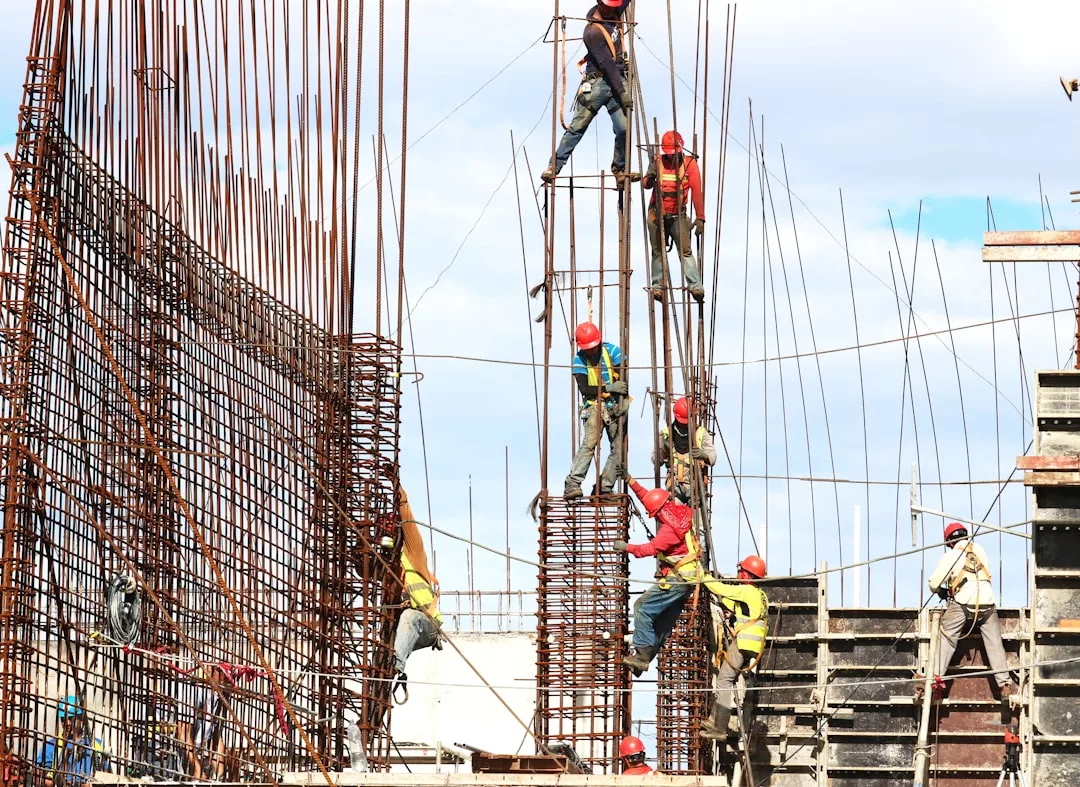

Building permits are essential documents that authorize the construction, renovation, or alteration of structures. They serve as a formal approval from local government authorities, ensuring that proposed projects comply with zoning laws, building codes, and safety regulations. The process of obtaining a building permit can vary significantly depending on the jurisdiction, the complexity of the project, and the specific requirements set forth by local authorities.
Generally, the application process involves submitting detailed plans and specifications, which are then reviewed by building inspectors or planning officials. Understanding the nuances of building permits is crucial for anyone involved in construction or renovation projects. Not only do these permits help maintain safety standards, but they also protect property owners from potential legal issues that may arise from unauthorized construction.
Failing to secure the necessary permits can lead to fines, forced removal of structures, or even legal action. Therefore, it is imperative for homeowners, contractors, and developers to familiarize themselves with the permit process in their area to ensure compliance and avoid complications down the line.
Key Takeaways
- Building permits are necessary for any construction or renovation project and ensure that the work complies with local building codes and regulations.
- Safety and compliance are crucial aspects of obtaining building permits, as they help to ensure that the construction work is done in a way that minimizes risks and meets legal requirements.
- Building permits can have a significant impact on property value, as they demonstrate that the construction work has been done in compliance with regulations and can increase the overall value of the property.
- Environmental considerations are important when obtaining building permits, as they can impact the surrounding ecosystem and require adherence to environmental regulations.
- There are legal and financial ramifications associated with obtaining building permits, and failure to do so can result in fines, delays, and potential legal action.
Ensuring Safety and Compliance
One of the primary purposes of building permits is to ensure safety and compliance with established regulations. Building codes are designed to protect the health and safety of occupants and the general public by setting minimum standards for construction practices. These codes cover various aspects of building design and construction, including structural integrity, fire safety, electrical systems, plumbing, and accessibility. Moreover, obtaining a building permit often involves a thorough review process that assesses the potential impact of a project on the surrounding environment and community. This review may include considerations such as traffic patterns, noise levels, and the overall aesthetic of the neighborhood.
By ensuring that projects adhere to safety standards and zoning regulations, building permits play a vital role in maintaining the quality of life for residents and preserving the character of communities.
Impact on Property Value
The presence or absence of building permits can significantly influence property value. Properties that have been constructed or renovated without the necessary permits may face devaluation due to potential legal issues or safety concerns. Prospective buyers are often wary of properties with unpermitted work, as they may be required to rectify these issues before they can secure financing or insurance.
This uncertainty can lead to lower offers or even deter potential buyers altogether. Conversely, properties that have undergone permitted renovations or constructions tend to hold their value better in the real estate market. A well-documented history of compliance with building codes and regulations can enhance a property’s appeal to buyers who prioritize safety and legality.
Additionally, permitted improvements often reflect quality workmanship and adherence to industry standards, further boosting property value. Therefore, obtaining the necessary permits not only ensures compliance but also serves as an investment in the long-term value of a property.


Environmental Considerations
In recent years, environmental considerations have become increasingly important in the context of building permits. Many jurisdictions now require environmental assessments as part of the permit application process to evaluate the potential impact of construction projects on local ecosystems. These assessments may address issues such as land use, water quality, air pollution, and wildlife habitats. Furthermore, building permits can encourage environmentally friendly construction practices by incentivizing energy-efficient designs and materials. Some jurisdictions offer expedited permitting processes or reduced fees for projects that meet specific sustainability criteria.
This not only helps protect natural resources but also aligns with broader efforts to combat climate change and promote responsible land use. As awareness of environmental issues continues to grow, the role of building permits in fostering sustainable development will likely become even more pronounced.
Legal and Financial Ramifications
The legal and financial ramifications of failing to obtain building permits can be severe. Homeowners or contractors who proceed with construction without the necessary approvals may face hefty fines or penalties imposed by local authorities. In some cases, they may be required to halt work until proper permits are obtained, leading to costly delays and disruptions in project timelines.
Additionally, unpermitted work may necessitate costly retrofitting or demolition if it does not meet safety standards or zoning regulations. From a financial perspective, properties with unpermitted work can pose significant challenges when it comes time to sell or refinance. Lenders typically require proof of compliance with local building codes before approving loans, meaning that homeowners may struggle to secure financing if their property has unpermitted improvements.
This can lead to decreased marketability and lower property values. Therefore, understanding the legal and financial implications of building permits is essential for anyone involved in construction or real estate transactions.
Community and Neighborhood Impact
Building permits also play a crucial role in shaping communities and neighborhoods. The permitting process allows local governments to assess how new construction projects will affect existing infrastructure, traffic patterns, and community resources. By evaluating these factors, authorities can make informed decisions about whether to approve or deny permit applications based on their potential impact on the surrounding area.
Moreover, community input is often sought during the permitting process, allowing residents to voice their concerns or support for proposed projects. This engagement fosters a sense of ownership among community members and helps ensure that new developments align with the values and needs of local residents. By considering community perspectives in the permitting process, local governments can promote harmonious development that enhances rather than detracts from neighborhood character.
Professional and Ethical Responsibility
For architects, contractors, and developers, obtaining building permits is not just a legal obligation; it is also a matter of professional and ethical responsibility. Professionals in the construction industry have a duty to uphold safety standards and ensure that their work complies with all relevant regulations. By securing the necessary permits, they demonstrate their commitment to ethical practices and accountability in their work.
Additionally, professionals who prioritize compliance with building permit requirements contribute to a culture of transparency within the industry. This fosters trust between clients, regulatory authorities, and the community at large. When construction professionals adhere to ethical standards by obtaining proper permits, they help elevate the reputation of their industry while ensuring that projects are completed safely and responsibly.
Streamlining the Construction Process
While obtaining building permits can sometimes be perceived as a bureaucratic hurdle, there are ways to streamline the process for greater efficiency. Many jurisdictions are adopting digital platforms that allow applicants to submit permit applications online, track their status in real-time, and communicate directly with permitting officials. This modernization not only reduces paperwork but also expedites reviews and approvals.
Furthermore, proactive communication between applicants and local authorities can help identify potential issues early in the process. Engaging with planning officials before submitting an application can provide valuable insights into zoning requirements and code compliance, ultimately leading to smoother approvals. By embracing technology and fostering collaboration between stakeholders, the construction industry can enhance efficiency while still upholding safety standards through proper permitting practices.
In conclusion, understanding building permits is essential for anyone involved in construction or renovation projects. They serve as a safeguard for safety and compliance while impacting property values and community dynamics. By recognizing their importance in environmental considerations and legal ramifications, stakeholders can navigate the complexities of construction more effectively.
Ultimately, prioritizing professional ethics and streamlining processes will contribute to safer communities and more sustainable development practices for future generations.

Same market
More from Mallorca

Mallorca · 14 min
Luxury Finca Complete Guide
Luxury finca guide for Mallorca: prime locations, prices from 1.5M to 25M euros, restoration costs, water rights and a 7.2% growth rate driving this r…

Mallorca · 14 min
Mediterranean Villa Buying Guide
Mediterranean villa buying guide 2026: prices, yields and tax across Spain, France, Italy, Greece, Croatia and Montenegro in a 320 billion euro luxury…

Mallorca · 16 min
Mallorca Luxury Real Estate Guide
Mallorca luxury real estate guide: 2025 prices from 2 to 45 million euros, top areas like Portals Nous and Port d’Andratx, taxes, Golden Visa an…