Mallorca · 39.62°N 2.99°E · File 89
Historical Properties: Charming Old Town Apartments in Palma
Palma’s Old Town, with its labyrinthine streets and rich historical tapestry, is a testament to the island’s diverse cultural influences over centuries. The origins of …

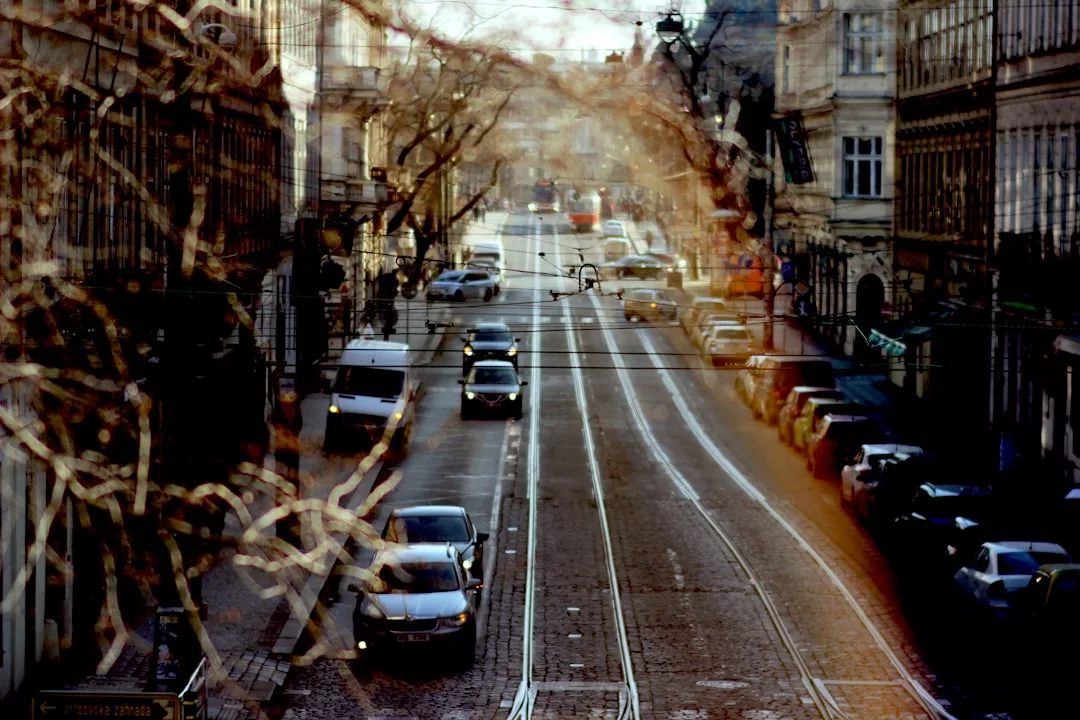

Palma’s Old Town, with its labyrinthine streets and rich historical tapestry, is a testament to the island’s diverse cultural influences over centuries. The origins of the Old Town can be traced back to the Roman period when it was known as “Palma,” a name derived from the Latin word for palm tree. Following the fall of the Roman Empire, the city experienced a series of invasions and occupations, notably by the Moors in the 10th century.
This period significantly influenced the architectural landscape, as many of the structures built during this time incorporated elements of Islamic design, which can still be seen in the narrow streets and intricate tile work. As Palma evolved through the Middle Ages and into the Renaissance, the Old Town became a hub of commerce and culture.
The apartments that emerged during this time were often characterized by their thick stone walls, high ceilings, and ornate balconies. These buildings were not merely residences; they were symbols of status and prestige. The architectural styles continued to evolve, incorporating Baroque and Gothic elements, which further enriched the visual narrative of Palma’s Old Town.
Today, these historical apartments stand as a reminder of the city’s layered past, each one telling a story of its former inhabitants and their contributions to Palma’s identity.
Key Takeaways
- Palma’s Old Town Apartments have a rich history dating back to the Middle Ages, with many buildings retaining their original features.
- Architectural features of these charming apartments include exposed wooden beams, traditional tiled floors, and ornate facades, reflecting the city’s diverse cultural influences.
- Renovation and preservation efforts are crucial in maintaining the historical integrity of these properties, often requiring special permits and skilled craftsmen.
- Living in Palma’s Old Town offers a unique experience with its picturesque streets and proximity to cultural attractions, but challenges include limited parking and noise from tourist activity.
- Old Town Apartments hold cultural significance as they contribute to the city’s identity and heritage, attracting visitors and residents alike.
Architectural Features of Charming Old Town Apartments
The architectural features of Palma’s Old Town apartments are a captivating blend of styles that reflect the city’s historical evolution. One of the most striking characteristics is the use of local materials, particularly limestone, which gives the buildings their distinctive warm hues. The façades often showcase intricate wrought ironwork, especially on balconies and window grilles, adding an artistic flair that enhances the overall aesthetic appeal.
Many apartments feature large wooden doors adorned with decorative carvings, leading into spacious interiors that often boast high ceilings supported by wooden beams. Inside these charming apartments, one can find a variety of architectural elements that speak to their historical significance. Arched doorways and windows are common, echoing the Moorish influence that permeates much of Palma’s architecture.
Additionally, many apartments retain original features such as terracotta tiles and exposed stone walls, which create a rustic yet elegant atmosphere. Courtyards are also a notable feature; these communal spaces often serve as tranquil retreats amidst the bustling streets, providing residents with a slice of nature in an urban environment. The combination of these elements creates a unique living experience that is both steeped in history and imbued with character.
Renovation and Preservation of Historical Properties
The renovation and preservation of historical properties in Palma’s Old Town is a complex endeavor that requires a delicate balance between modern needs and historical integrity. As demand for housing in this picturesque area has surged, many property owners have sought to restore their apartments while maintaining their original charm. This process often involves meticulous research into the building’s history to ensure that any renovations respect its architectural heritage.
Local regulations play a crucial role in this process, as there are strict guidelines governing what can be altered or restored. One notable example of successful renovation is the transformation of a dilapidated 19th-century apartment building into modern living spaces while preserving its historical features. The restoration included reinforcing the structure to meet contemporary safety standards while retaining original elements such as wooden beams and decorative tiles.
This approach not only enhances the building’s aesthetic appeal but also contributes to the sustainability of Palma’s cultural heritage. Preservation efforts are often supported by local organizations dedicated to maintaining the integrity of Palma’s Old Town, ensuring that future generations can appreciate these historical treasures.

Living in Palma’s Old Town: Advantages and Challenges
Living in Palma’s Old Town offers a unique lifestyle that is both vibrant and steeped in history. One of the primary advantages is the proximity to cultural landmarks, including museums, galleries, and historic sites. Residents can enjoy leisurely strolls through cobblestone streets lined with cafes and boutiques, immersing themselves in the local culture daily.
The sense of community is palpable, with local markets and festivals fostering connections among residents. Additionally, the Mediterranean climate enhances outdoor living, allowing for al fresco dining and socializing year-round.
The narrow streets can make parking difficult, and traffic congestion is common during peak tourist seasons. Furthermore, many apartments lack modern amenities such as elevators or air conditioning due to their age and historical status. Noise can also be an issue, particularly during summer months when tourists flock to the area.
Despite these challenges, many residents find that the charm and character of Palma’s Old Town far outweigh any inconveniences, creating a unique living experience that is hard to replicate elsewhere.
The Cultural Significance of Old Town Apartments
The cultural significance of Palma’s Old Town apartments extends beyond their architectural beauty; they are integral to understanding the city’s identity and heritage. These buildings serve as physical reminders of Palma’s diverse history, reflecting influences from various cultures that have shaped the island over centuries. Each apartment tells a story—of families who lived there, artisans who crafted their interiors, and events that unfolded within their walls.
This rich narrative contributes to a sense of place that resonates deeply with both residents and visitors. Moreover, these apartments play a vital role in preserving traditional crafts and trades that have been passed down through generations. Artisans specializing in restoration work often utilize techniques that have been used for centuries, ensuring that the craftsmanship remains alive in modern times.
The cultural significance is further amplified by community events held in these historic spaces, such as art exhibitions or local markets that celebrate Mallorcan traditions. By living in or visiting these apartments, individuals engage with Palma’s cultural heritage on a personal level, fostering a deeper appreciation for its history.
Famous Residents of Palma’s Old Town
Joan Miró: A Legacy of Color and Creativity
One such resident was the renowned Spanish painter Joan Miró, who spent significant time in Mallorca during his life. His connection to Palma is evident in his artwork, which often reflects the island’s vibrant colors and landscapes.George Sand: A Literary Icon
Another famous resident was writer George Sand, who spent time in Palma during her travels in the 19th century. Sand’s experiences on the island inspired her literary works and contributed to her reputation as a pioneering figure in French literature.A City of Inspiration
Her presence in Palma highlights how the city has long attracted artists and intellectuals seeking inspiration from its beauty and tranquility. These historical connections enrich the narrative of Palma’s Old Town apartments, transforming them from mere residences into sites of artistic significance.Tips for Buying or Renting a Historical Property in Palma
For those considering buying or renting a historical property in Palma’s Old Town, several key factors should be taken into account to ensure a successful experience. First and foremost is understanding local regulations regarding property ownership and renovation. Many historical buildings are protected by heritage laws that dictate what changes can be made to preserve their character.
Engaging with local real estate agents who specialize in historical properties can provide valuable insights into these regulations and help navigate potential challenges. Additionally, prospective buyers or renters should conduct thorough inspections to assess the condition of the property. Many older buildings may require significant maintenance or updates to meet modern living standards.
It is advisable to consult with architects or contractors experienced in working with historical properties to evaluate renovation costs accurately. Furthermore, considering factors such as location within the Old Town—proximity to amenities like shops and public transport—can greatly enhance one’s living experience in this vibrant area.
The Future of Palma’s Charming Old Town Apartments
The future of Palma’s charming Old Town apartments is poised at an intriguing crossroads where preservation meets modernization. As demand for housing continues to rise amid increasing tourism, there is a growing need for innovative solutions that respect historical integrity while accommodating contemporary lifestyles. Developers are beginning to explore adaptive reuse projects that transform underutilized spaces into modern living environments without compromising their historical significance.
Moreover, sustainability is becoming an essential consideration in future renovations and developments within Palma’s Old Town. Efforts are being made to incorporate eco-friendly practices into restoration projects, such as using sustainable materials and energy-efficient systems that align with modern environmental standards. This shift not only preserves the architectural heritage but also ensures that these historic properties remain viable living spaces for future generations.
As Palma navigates this delicate balance between preservation and progress, its Old Town apartments will undoubtedly continue to be cherished symbols of its rich cultural legacy.
Same market
More from Mallorca
Mallorca · 14 min
Luxury Finca Complete Guide
Luxury finca guide for Mallorca: prime locations, prices from 1.5M to 25M euros, restoration costs, water rights and a 7.2% growth rate driving this r…
Mallorca · 14 min
Mediterranean Villa Buying Guide
Mediterranean villa buying guide 2026: prices, yields and tax across Spain, France, Italy, Greece, Croatia and Montenegro in a 320 billion euro luxury…
Mallorca · 16 min
Mallorca Luxury Real Estate Guide
Mallorca luxury real estate guide: 2025 prices from 2 to 45 million euros, top areas like Portals Nous and Port d’Andratx, taxes, Golden Visa an…