Switzerland · 46.82°N 8.23°E · File 2656
Comparing Investment Returns: Apartments vs. Chalets in Switzerland
Investing in Swiss real estate has become an increasingly attractive option for both domestic and international investors. Switzerland, known for its political stability, robust ec…



Investing in Swiss real estate has become an increasingly attractive option for both domestic and international investors. Switzerland, known for its political stability, robust economy, and high quality of life, offers a unique real estate landscape that appeals to a diverse range of investors. The country’s picturesque landscapes, efficient infrastructure, and strong legal framework provide a solid foundation for real estate investment.
Moreover, the Swiss property market is characterized by a limited supply of land, particularly in urban areas and popular tourist destinations, which can drive up property values over time. The Swiss real estate market is multifaceted, encompassing various types of properties, including residential apartments, luxury chalets, commercial spaces, and more. Each type of property presents its own set of opportunities and challenges.
Investors must navigate the complexities of local regulations, market dynamics, and economic factors that influence property values and rental yields. Understanding these nuances is crucial for making informed investment decisions that align with one’s financial goals and risk tolerance.
Key Takeaways
- Investing in Swiss real estate offers stable returns and a safe haven for capital preservation.
- Apartments are more suitable for urban areas, while chalets are ideal for mountainous regions.
- Investment returns in Swiss real estate are influenced by factors such as location, economic conditions, and regulatory environment.
- Apartments generally offer higher rental yields, while chalets tend to have higher capital appreciation.
- Demand for apartments is higher in urban centers, while chalets are sought after in picturesque mountain regions.
Understanding the Differences Between Apartments and Chalets
Apartments and chalets represent two distinct segments of the Swiss real estate market, each catering to different buyer preferences and investment strategies. Apartments are typically found in urban areas and are designed for year-round living. They offer convenience and accessibility to amenities such as public transportation, shopping centers, and cultural attractions.
The demand for apartments is often driven by local residents, expatriates, and students seeking long-term rentals or ownership opportunities in cities like Zurich, Geneva, and Basel. In contrast, chalets are predominantly located in rural or mountainous regions and are often associated with vacation homes or second residences. These properties are characterized by their traditional Swiss architecture, featuring wooden exteriors and scenic views of the Alps.
Chalets appeal to investors looking for holiday rentals or personal retreats. The seasonal nature of chalet rentals can lead to fluctuating occupancy rates, making them a different investment proposition compared to apartments. Understanding these fundamental differences is essential for investors to align their strategies with their desired outcomes.
Factors Affecting Investment Returns in the Swiss Real Estate Market
Several factors influence investment returns in the Swiss real estate market, including location, property type, economic conditions, and regulatory environment. Properties situated in prime urban areas or popular tourist destinations tend to appreciate more rapidly than those in less desirable locations.
For instance, a well-located apartment in Zurich may yield higher rental returns compared to a similar property in a smaller town. Economic conditions also play a significant role in shaping the real estate landscape. Switzerland boasts a strong economy with low unemployment rates and a high standard of living, which supports demand for housing.
However, external factors such as global economic trends, interest rates, and currency fluctuations can impact investment returns. Additionally, the regulatory environment in Switzerland is known for its strict zoning laws and property ownership restrictions, particularly for foreign investors. Understanding these regulations is crucial for navigating the market effectively and maximizing returns.


Comparing Rental Yields and Capital Appreciation for Apartments and Chalets
When evaluating investment opportunities in Swiss real estate, it is essential to compare rental yields and capital appreciation potential for apartments versus chalets. Rental yield refers to the annual income generated from a property relative to its purchase price, while capital appreciation reflects the increase in property value over time. Generally speaking, apartments tend to offer more stable rental yields due to consistent demand from residents and expatriates in urban areas.
Chalets, on the other hand, may provide higher capital appreciation potential due to their appeal as vacation properties in sought-after locations. However, their rental yields can be more volatile due to seasonal demand fluctuations. For example, a chalet in Zermatt may experience high occupancy rates during the winter ski season but see a significant drop during the summer months when tourism slows down.
Investors must weigh these factors carefully when deciding between apartments and chalets to ensure their investment aligns with their financial objectives.
Analyzing the Demand for Apartments and Chalets in Different Swiss Regions
The demand for apartments and chalets varies significantly across different regions of Switzerland. Urban centers like Zurich and Geneva are characterized by high demand for apartments due to their status as economic hubs with diverse job opportunities. The influx of international companies and expatriates has led to a competitive rental market, driving up prices and making apartments an attractive investment option.
Conversely, regions known for their natural beauty and outdoor recreational activities, such as the Valais or Bernese Oberland, see strong demand for chalets. These areas attract both domestic buyers seeking vacation homes and international investors looking for rental properties that cater to tourists. The demand dynamics in these regions can be influenced by factors such as accessibility, local amenities, and seasonal tourism trends.
Investors should conduct thorough market research to identify regions with strong growth potential that align with their investment strategy.
Maintenance and management costs are critical considerations when investing in real estate, as they can significantly impact overall returns. Apartments typically have lower maintenance costs compared to chalets due to shared facilities and services within multi-unit buildings. Common expenses such as heating, water supply, and building maintenance are often covered by homeowners’ associations or management companies, providing a level of convenience for investors.
Chalets, however, may require more hands-on management due to their standalone nature and potential for seasonal wear and tear. Investors must account for costs related to landscaping, snow removal, and general upkeep that can arise from owning a property in a rural or mountainous area. Additionally, if an investor intends to rent out a chalet as a vacation home, they may need to hire property management services to handle bookings and maintenance during peak seasons.
Understanding these costs is essential for accurately assessing the profitability of an investment.
Investing in Swiss real estate comes with its own set of risks and benefits that vary between apartments and chalets. One of the primary benefits of investing in apartments is the potential for steady cash flow through long-term rentals. Urban areas often experience consistent demand for housing due to population growth and economic stability.
This can lead to lower vacancy rates and more predictable rental income. On the flip side, chalets can offer unique benefits such as higher capital appreciation potential in desirable tourist locations. However, they also come with risks related to seasonal fluctuations in rental income and higher maintenance costs.
Investors must consider their risk tolerance when choosing between these two property types. For instance, those seeking stable income may prefer apartments, while those willing to take on more risk for potentially higher returns might find chalets appealing.
Making Informed Investment Decisions in the Swiss Real Estate Market
Navigating the Swiss real estate market requires careful consideration of various factors that influence investment outcomes. By understanding the differences between apartments and chalets, analyzing regional demand dynamics, evaluating costs associated with property management, and weighing risks against potential benefits, investors can make informed decisions that align with their financial goals. Whether opting for an apartment in a bustling city or a chalet nestled in the mountains, thorough research and strategic planning are essential components of successful real estate investment in Switzerland’s unique landscape.

Same market
More from Switzerland
Switzerland · 16 min
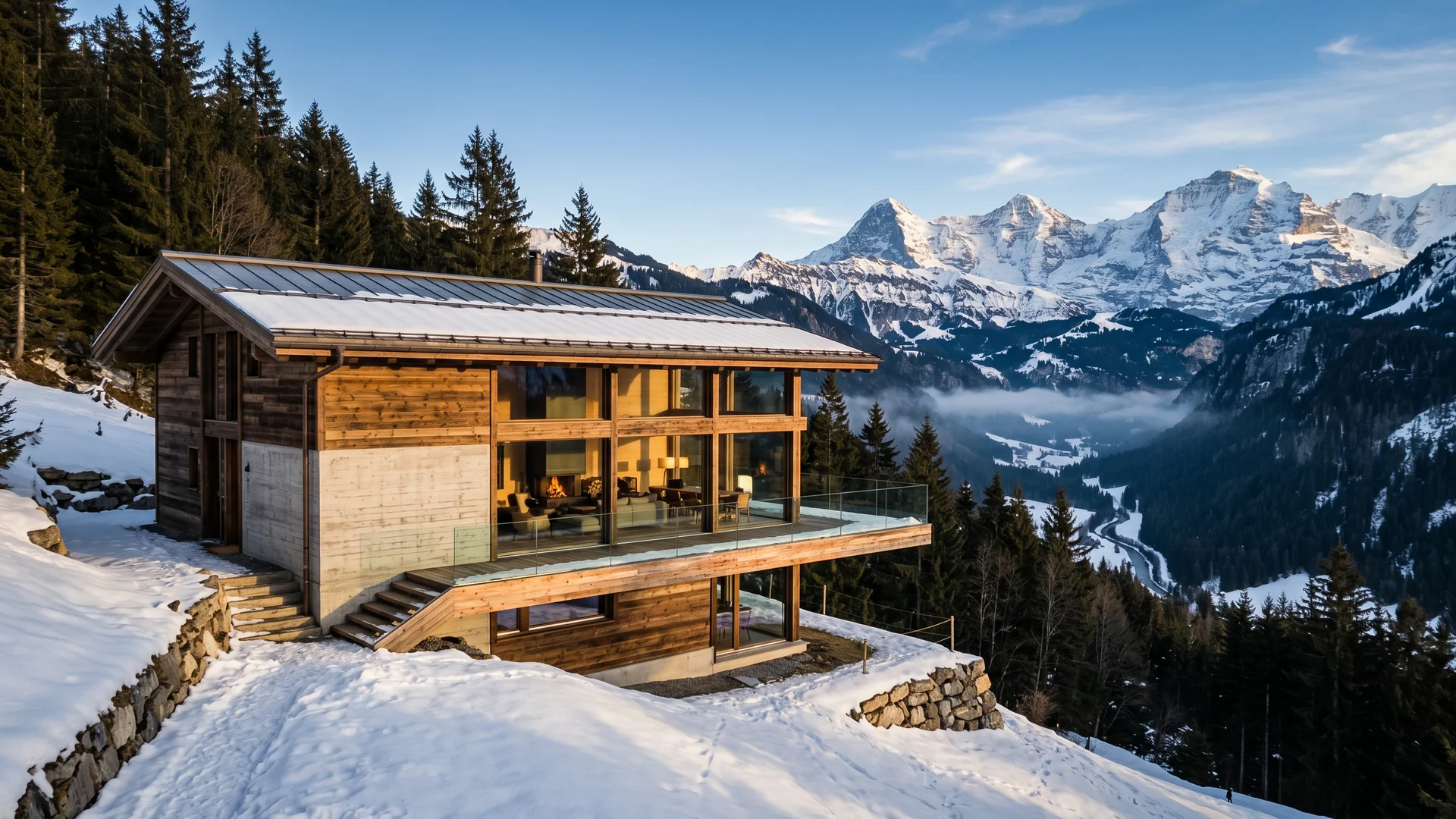
Swiss Alps Property Guide
Swiss Alps property guide: explore luxury real estate in St. Moritz, Gstaad, Verbier and Zermatt, with prices, Lex Koller rules, yields and tax insigh…
Switzerland · 8 min
Choosing Between Urban and Rural Living in Switzerland
Urban living in Switzerland offers a unique blend of modernity and tradition, characterized by vibrant city life, cultural diversity, and a plethora o…
Switzerland · 6 min
Pricing Strategies for Apartments and Chalets in Switzerland
The Swiss real estate market is characterized by its unique blend of stability, high demand, and a diverse range of properties. Switzerland’s po…