Switzerland · 46.82°N 8.23°E · File 2664
The Appeal of Sustainable and Modern Apartments in Switzerland
In recent years, Switzerland has emerged as a beacon of sustainable living, reflecting a broader global movement towards environmental consciousness. This trend is not merely a pas…

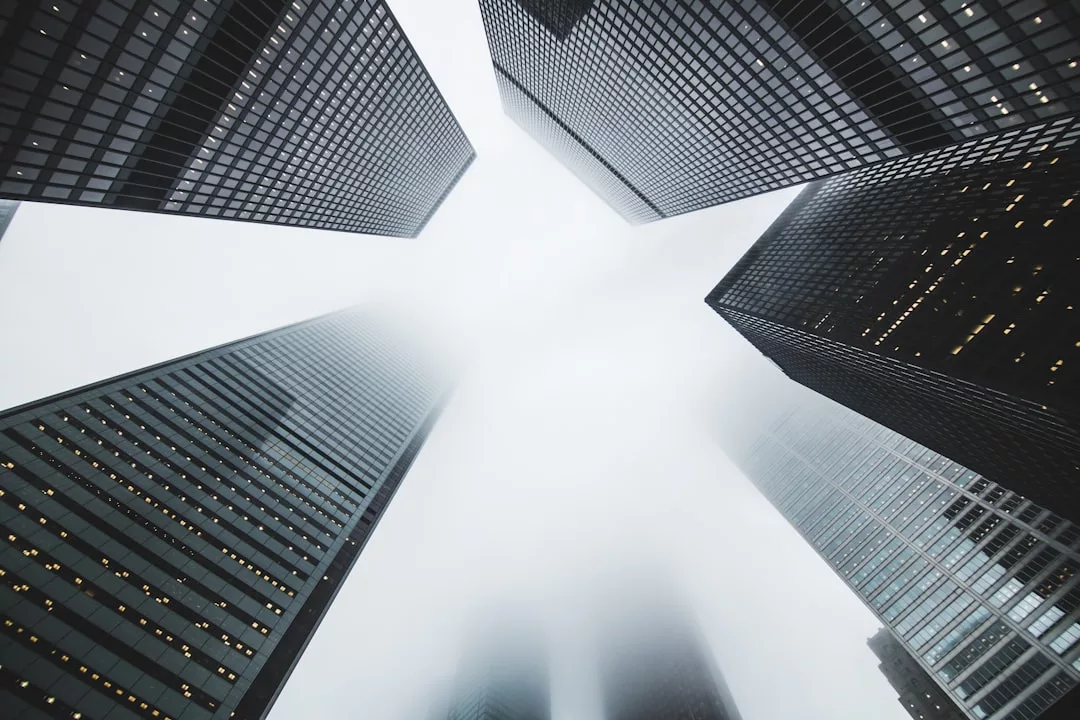

In recent years, Switzerland has emerged as a beacon of sustainable living, reflecting a broader global movement towards environmental consciousness. This trend is not merely a passing fad; it is deeply rooted in the Swiss culture, which values nature, quality of life, and a commitment to preserving the environment for future generations. The Swiss government has implemented various policies aimed at promoting sustainability, including incentives for renewable energy use, waste reduction initiatives, and stringent building regulations that prioritize eco-friendly construction practices.
As a result, many Swiss citizens are increasingly adopting sustainable lifestyles, from reducing their carbon footprints to embracing local and organic food sources. The growing trend of sustainable living in Switzerland is also evident in the rising popularity of green technologies and practices among individuals and businesses alike. For instance, solar panels have become a common sight on rooftops across the country, and many households are investing in energy-efficient appliances to minimize their energy consumption.
Additionally, urban areas are seeing a surge in community gardens and local farmers’ markets, which not only provide fresh produce but also foster a sense of community and connection to the land. This shift towards sustainability is not just about individual choices; it reflects a collective commitment to creating a healthier planet and a more resilient society.
Key Takeaways
- Sustainable living is a growing trend in Switzerland, with a focus on eco-friendly communities and modern apartment living.
- Modern apartments in Switzerland offer advantages such as energy efficiency, reduced maintenance, and access to sustainable features and amenities.
- Sustainable features and amenities in modern Swiss apartments include green roofs, solar panels, energy-efficient appliances, and recycling facilities.
- Sustainable apartments in Switzerland have a positive environmental impact, reducing carbon footprint and promoting a healthier living environment.
- The rise of eco-friendly communities in Swiss cities emphasizes the importance of location and access to public transportation in modern Swiss apartments.
The Advantages of Modern Apartment Living in Switzerland
Modern apartment living in Switzerland offers numerous advantages that cater to the needs of contemporary residents. One of the most significant benefits is the convenience that urban apartments provide. Many Swiss cities are designed with accessibility in mind, allowing residents to live close to their workplaces, schools, and essential services.
This proximity reduces the need for long commutes, which not only saves time but also contributes to lower carbon emissions. Furthermore, modern apartments often come equipped with state-of-the-art amenities that enhance the quality of life for residents, such as fitness centers, communal spaces, and rooftop gardens. Another advantage of modern apartment living in Switzerland is the emphasis on community and social interaction.
Many new developments are designed to foster a sense of belonging among residents, featuring shared spaces where neighbors can gather and connect. This communal aspect is particularly appealing in urban environments where individuals may feel isolated despite being surrounded by people. Additionally, modern apartments often incorporate sustainable design principles that promote energy efficiency and environmental responsibility, aligning with the values of many Swiss residents who prioritize eco-friendly living.
Sustainable Features and Amenities in Modern Swiss Apartments
Sustainable features and amenities are increasingly becoming standard in modern Swiss apartments, reflecting the country’s commitment to environmental stewardship. One prominent example is the integration of energy-efficient systems such as heat pumps and solar panels. These technologies not only reduce energy consumption but also lower utility costs for residents.
Many buildings are designed with high-quality insulation and triple-glazed windows to minimize heat loss during winter months, further enhancing energy efficiency. In addition to energy-saving technologies, modern Swiss apartments often include amenities that promote sustainable living practices. For instance, many developments feature communal gardens where residents can grow their own vegetables and herbs, fostering a connection to nature and encouraging healthy eating habits.
Bicycle storage facilities are also common, supporting the use of cycling as an eco-friendly mode of transportation. Furthermore, some buildings incorporate rainwater harvesting systems that collect and reuse water for irrigation or flushing toilets, demonstrating innovative approaches to resource management.

The Environmental Impact of Sustainable Apartments in Switzerland
The environmental impact of sustainable apartments in Switzerland is profound and multifaceted. By prioritizing eco-friendly construction practices and energy-efficient technologies, these buildings significantly reduce their carbon footprints compared to traditional housing options. For example, according to the Swiss Federal Office for the Environment (FOEN), buildings account for approximately 40% of Switzerland’s total energy consumption.
By transitioning to sustainable apartment designs, this figure can be substantially lowered, contributing to national goals for reducing greenhouse gas emissions. Moreover, sustainable apartments often promote biodiversity through thoughtful landscaping and green roofs that provide habitats for various species. These features not only enhance the aesthetic appeal of urban environments but also contribute to improved air quality and reduced urban heat island effects.
The integration of nature into residential areas fosters a healthier living environment for residents while simultaneously addressing critical environmental challenges faced by cities today.
The Rise of Eco-Friendly Communities in Swiss Cities
The rise of eco-friendly communities in Swiss cities represents a significant shift towards collective sustainability efforts. These communities are characterized by their commitment to environmentally responsible practices and often include features such as shared resources, community gardens, and green spaces that encourage social interaction among residents. One notable example is the Vauban district in Freiburg im Breisgau, which has become a model for sustainable urban living.
Although technically located just across the border in Germany, its influence extends into Switzerland as many Swiss citizens look to similar models for inspiration. In cities like Zurich and Geneva, eco-friendly communities are gaining traction as developers recognize the demand for sustainable living options. These neighborhoods often prioritize pedestrian-friendly designs that encourage walking and cycling while minimizing reliance on cars.
Additionally, many eco-friendly communities incorporate renewable energy sources such as wind or solar power into their infrastructure, further reducing their environmental impact. As more people seek out these types of living arrangements, it is likely that we will see an increase in similar developments across Switzerland.
The Importance of Location and Access to Public Transportation in Modern Swiss Apartments
Efficient Public Transportation System
Switzerland is renowned for its exceptional public transport system, which is one of the most efficient in the world.Convenience and Sustainability
Living in proximity to public transportation hubs not only enhances convenience for residents but also aligns with sustainable living principles. By reducing dependence on personal vehicles, residents can minimize their carbon footprint and contribute to a more environmentally friendly lifestyle.Easy Commuting and Alternative Modes of Transportation
Apartments situated near public transportation options allow residents to easily commute to work or school without contributing to traffic congestion or air pollution.The Financial Benefits of Investing in Sustainable Apartments in Switzerland
Investing in sustainable apartments in Switzerland presents numerous financial benefits for both developers and buyers alike. For developers, incorporating green building practices can lead to reduced construction costs over time due to lower energy consumption and maintenance expenses associated with sustainable technologies. Additionally, properties that prioritize sustainability often attract higher demand from environmentally conscious buyers or renters willing to pay a premium for eco-friendly features.
For individual buyers or investors, sustainable apartments can offer long-term financial advantages through lower utility bills and potential tax incentives associated with energy-efficient upgrades. Moreover, as sustainability becomes an increasingly important factor in real estate valuation, properties with green certifications may appreciate more rapidly than traditional homes. This trend reflects a growing recognition among buyers that sustainable living is not just a lifestyle choice but also a sound financial investment.
The Future of Sustainable and Modern Living in Swiss Real Estate
The future of sustainable and modern living in Swiss real estate appears promising as both consumers and developers continue to prioritize eco-friendly practices. With increasing awareness of climate change and its impacts on daily life, there is a growing expectation for new developments to incorporate sustainable features from the outset. This shift is likely to drive innovation within the construction industry as architects and builders seek out new materials and technologies that enhance sustainability while maintaining aesthetic appeal.
Furthermore, as urban populations continue to grow, the demand for sustainable housing solutions will only intensify. This presents an opportunity for policymakers to create supportive frameworks that encourage green building practices while ensuring affordability for residents. By fostering collaboration between government entities, developers, and communities, Switzerland can lead the way in creating vibrant urban environments that prioritize sustainability without compromising quality of life.
As this trend evolves, it will undoubtedly shape the landscape of Swiss real estate for years to come, making it an exciting area to watch for both investors and residents alike.

Same market
More from Switzerland
Switzerland · 16 min
Swiss Alps Property Guide
Swiss Alps property guide: explore luxury real estate in St. Moritz, Gstaad, Verbier and Zermatt, with prices, Lex Koller rules, yields and tax insigh…
Switzerland · 8 min
Choosing Between Urban and Rural Living in Switzerland
Urban living in Switzerland offers a unique blend of modernity and tradition, characterized by vibrant city life, cultural diversity, and a plethora o…
Switzerland · 6 min
Pricing Strategies for Apartments and Chalets in Switzerland
The Swiss real estate market is characterized by its unique blend of stability, high demand, and a diverse range of properties. Switzerland’s po…