Copenhagen · 55.68°N 12.57°E · File 3170
Trends in Copenhagen’s Property Prices Over the Last Decade
Copenhagen, the capital of Denmark, has long been recognized for its rich history, vibrant culture, and high quality of life. Over the past few decades, the city has also emerged a…

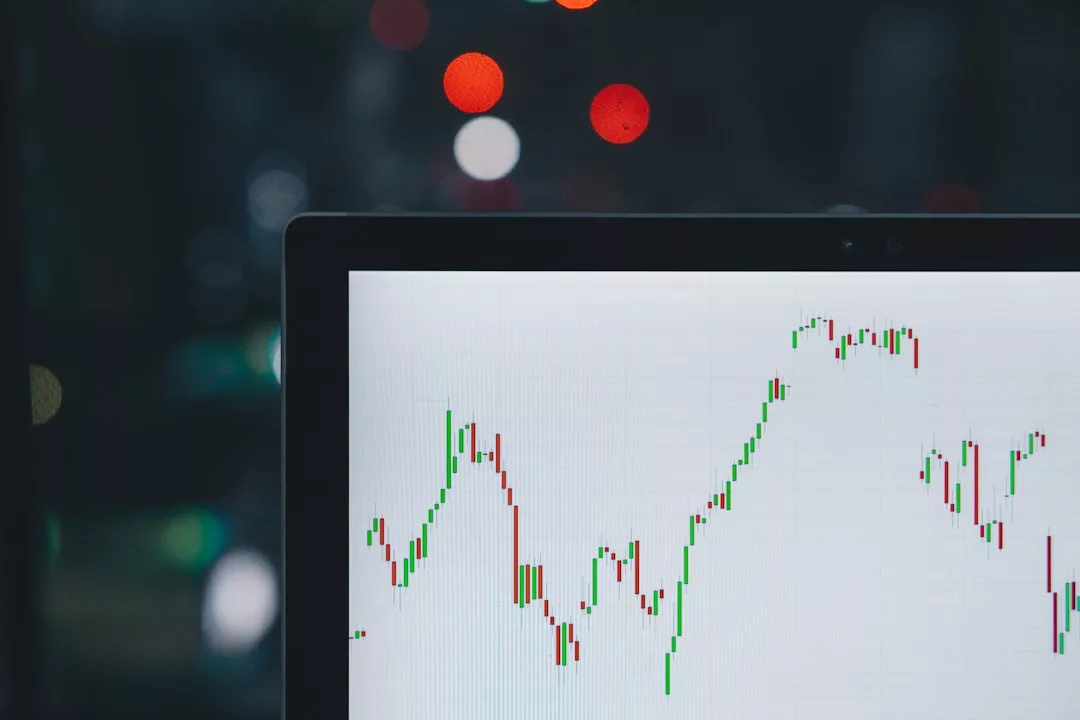

Copenhagen, the capital of Denmark, has long been recognized for its rich history, vibrant culture, and high quality of life. Over the past few decades, the city has also emerged as a significant player in the global property market. With its picturesque canals, historic architecture, and modern amenities, Copenhagen attracts not only locals but also international buyers and investors.
The property market here is characterized by a unique blend of traditional Danish design and contemporary urban living, making it an appealing destination for those looking to invest in real estate. The city’s property market is influenced by various factors, including economic conditions, demographic trends, and government policies. As Copenhagen continues to grow and evolve, understanding the dynamics of its property market becomes essential for potential buyers, investors, and stakeholders.
The interplay between supply and demand, coupled with the city’s commitment to sustainability and innovation, shapes the landscape of real estate in Copenhagen. This article delves into the intricacies of the property market in Copenhagen, exploring the factors that influence property prices, the recent boom in prices, the impact of economic fluctuations, shifts in buyer preferences, and the growing trend of sustainable living.
Key Takeaways
- Copenhagen’s property market is experiencing a significant boom, driven by various factors such as economic growth, urban development, and increasing demand.
- Factors influencing property prices in Copenhagen include location, infrastructure, amenities, and proximity to public transportation.
- The economic downturn has had a limited impact on Copenhagen’s property market, with prices remaining relatively stable and showing resilience.
- There is a noticeable shift in property preferences and neighborhoods in Copenhagen, with a growing interest in urban and sustainable living.
- Sustainable and eco-friendly properties are on the rise in Copenhagen, reflecting a growing awareness and demand for environmentally conscious living spaces.
Factors Influencing Property Prices in Copenhagen
Several key factors contribute to the fluctuations in property prices within Copenhagen. One of the most significant influences is the city’s robust economy. Denmark boasts a strong welfare state and a high standard of living, which translates into a stable job market and a growing population.
As more people move to Copenhagen for work or education, the demand for housing increases, driving up property prices. The influx of young professionals and families seeking urban living options has led to a competitive market where desirable neighborhoods see rapid price appreciation. Another critical factor is the availability of housing stock.
In recent years, Copenhagen has faced challenges related to housing supply. The city has experienced a surge in population growth, yet the construction of new residential properties has not kept pace with demand. This imbalance between supply and demand has resulted in rising prices, particularly in sought-after areas such as Vesterbro, Nørrebro, and Østerbro.
Additionally, government regulations regarding zoning and building permits can further complicate the development of new housing projects, exacerbating the supply issue.
The Boom in Copenhagen’s Property Prices
In recent years, Copenhagen has witnessed a remarkable boom in property prices. According to Statistics Denmark, property prices in the city have increased significantly since 2015, with some neighborhoods experiencing price hikes of over 30%. This surge can be attributed to several factors, including low-interest rates, increased foreign investment, and a growing demand for urban living. Moreover, the city’s reputation as a desirable place to live has attracted international attention. Foreign investors have increasingly turned their gaze toward Copenhagen’s real estate market, drawn by its stability and potential for growth.
This influx of capital has further fueled price increases, particularly in prime locations. The combination of local demand and foreign investment has created a perfect storm for rising property values, leading many to speculate about the sustainability of this upward trend.

The Impact of Economic Downturn on Copenhagen’s Property Market
While Copenhagen’s property market has enjoyed a period of growth, it is not immune to economic downturns. Global economic fluctuations can have a direct impact on local real estate markets. For instance, during the COVID-19 pandemic, many cities around the world experienced a slowdown in property transactions as uncertainty loomed over economies.
In Copenhagen, while some segments of the market showed resilience—particularly those catering to remote workers—others faced challenges as businesses closed or reduced their workforce. The economic downturn can lead to decreased consumer confidence and reduced purchasing power among potential buyers. As job security becomes uncertain, many individuals may postpone their plans to buy property or invest in real estate.
This shift can result in a temporary cooling of the market, with price corrections occurring in certain areas. However, Copenhagen’s strong fundamentals—such as its stable economy and high quality of life—often allow it to recover more quickly than other cities when economic conditions improve.
Shifts in Property Preferences and Neighborhoods in Copenhagen
As Copenhagen evolves, so too do the preferences of its residents regarding property types and neighborhoods. This trend reflects broader changes in lifestyle preferences, with many individuals prioritizing experiences over ownership and valuing community-oriented living arrangements.
Additionally, neighborhoods that were once considered less desirable are experiencing revitalization as new developments emerge and local amenities improve. Areas like Nordhavn have transformed from industrial zones into vibrant residential communities with waterfront views and modern infrastructure. This gentrification process often leads to increased property values but can also raise concerns about affordability for long-time residents.
As neighborhoods evolve, understanding these shifts is crucial for investors looking to capitalize on emerging trends while being mindful of social implications.

The Rise of Sustainable and Eco-friendly Properties in Copenhagen
Copenhagen is at the forefront of sustainability initiatives, and this commitment extends into its property market. The city has set ambitious goals to become carbon neutral by 2025, which has spurred interest in sustainable building practices and eco-friendly properties. Developers are increasingly incorporating green technologies into their projects, such as energy-efficient systems, sustainable materials, and green roofs that promote biodiversity.
The rise of sustainable properties is not merely a trend; it reflects a growing awareness among buyers about environmental issues and their impact on quality of life. Many prospective homeowners are now prioritizing energy-efficient homes that reduce utility costs while minimizing their carbon footprint. This shift is evident in the increasing popularity of properties certified by environmental standards such as LEED (Leadership in Energy and Environmental Design) or BREEAM (Building Research Establishment Environmental Assessment Method).
As more buyers seek out eco-friendly options, developers are responding by creating innovative living spaces that align with these values.
The Role of Foreign Investment in Copenhagen’s Property Market
Foreign investment plays a pivotal role in shaping Copenhagen’s property market dynamics. Investors from various countries are drawn to Denmark’s stable economy and transparent legal framework, making it an attractive destination for real estate investment. The influx of foreign capital has been particularly pronounced in recent years as global investors seek safe havens amid geopolitical uncertainties.
This foreign interest has led to increased competition for properties in prime locations, driving up prices even further. Notably, areas such as Indre By (the city center) have seen significant foreign investment due to their historical significance and proximity to amenities. However, this trend raises questions about affordability for local residents as international buyers often have greater financial resources at their disposal.
Policymakers are grappling with how to balance attracting foreign investment while ensuring that local communities are not priced out of their neighborhoods.
Predictions for the Future of Copenhagen’s Property Prices
Looking ahead, predictions for Copenhagen’s property prices remain optimistic yet cautious. Analysts suggest that while the current boom may not be sustainable indefinitely due to potential economic fluctuations and rising interest rates, the underlying fundamentals supporting demand remain strong. The city’s commitment to sustainability and innovation will likely continue to attract both residents and investors alike.
Furthermore, as urbanization trends persist globally, cities like Copenhagen that offer high quality of life will remain appealing destinations for those seeking urban living experiences. However, potential buyers should remain vigilant about market conditions and be prepared for possible corrections or adjustments in pricing as external factors come into play. Overall, while uncertainty exists on the horizon, Copenhagen’s property market is expected to maintain its attractiveness due to its unique blend of culture, sustainability initiatives, and economic stability.

Same market
More from Copenhagen
Copenhagen · 7 min
The Impact of Infrastructure Developments on Property Values in Copenhagen
Copenhagen, the capital of Denmark, has long been recognized for its innovative approach to urban planning and infrastructure development. The city ha…
Copenhagen · 7 min
Top Districts in Copenhagen for High-Yield Property Investments
Copenhagen, the capital of Denmark, has emerged as a vibrant hub for property investments, particularly in the realm of high-yield opportunities. The …
Copenhagen · 7 min
Timing the Market: When to Sell Your Property in Copenhagen
The Copenhagen real estate market is a dynamic and multifaceted environment that reflects the broader economic and cultural trends of Denmark. As the …