Copenhagen · 55.68°N 12.57°E · File 3176
Timing the Market: When to Sell Your Property in Copenhagen
The Copenhagen real estate market is a dynamic and multifaceted environment that reflects the broader economic and cultural trends of Denmark. As the capital city, Copenhagen is no…


The Copenhagen real estate market is a dynamic and multifaceted environment that reflects the broader economic and cultural trends of Denmark. As the capital city, Copenhagen is not only a political and economic hub but also a vibrant cultural center that attracts both domestic and international buyers. The market is characterized by a mix of historical properties, modern apartments, and luxury homes, catering to a diverse range of preferences and budgets.
The demand for real estate in Copenhagen has been consistently strong, driven by factors such as population growth, urbanization, and a robust economy. In recent years, the city has seen a surge in interest from foreign investors, particularly from countries within the European Union. This influx has contributed to rising property prices, especially in sought-after neighborhoods like Vesterbro, Nørrebro, and Østerbro.
The appeal of Copenhagen lies not only in its picturesque canals and historic architecture but also in its high quality of life, excellent public services, and commitment to sustainability. Understanding these elements is crucial for anyone looking to navigate the real estate landscape in Copenhagen, whether as a buyer or a seller.
Key Takeaways
- The Copenhagen real estate market is dynamic and influenced by various factors such as economic indicators, seasonal trends, and interest rates.
- When selling in Copenhagen, it is important to consider factors such as the current market conditions, the condition of the property, and the pricing strategy.
- Seasonal trends in the Copenhagen real estate market can impact the timing and pricing of property sales, with spring and summer being popular seasons for selling.
- Economic indicators such as GDP growth, unemployment rates, and consumer confidence can impact the selling process and should be carefully considered.
- Timing your sale to maximize profit in Copenhagen involves understanding market fluctuations, interest rates, and seasonal trends to make informed decisions.
Factors to Consider When Selling in Copenhagen
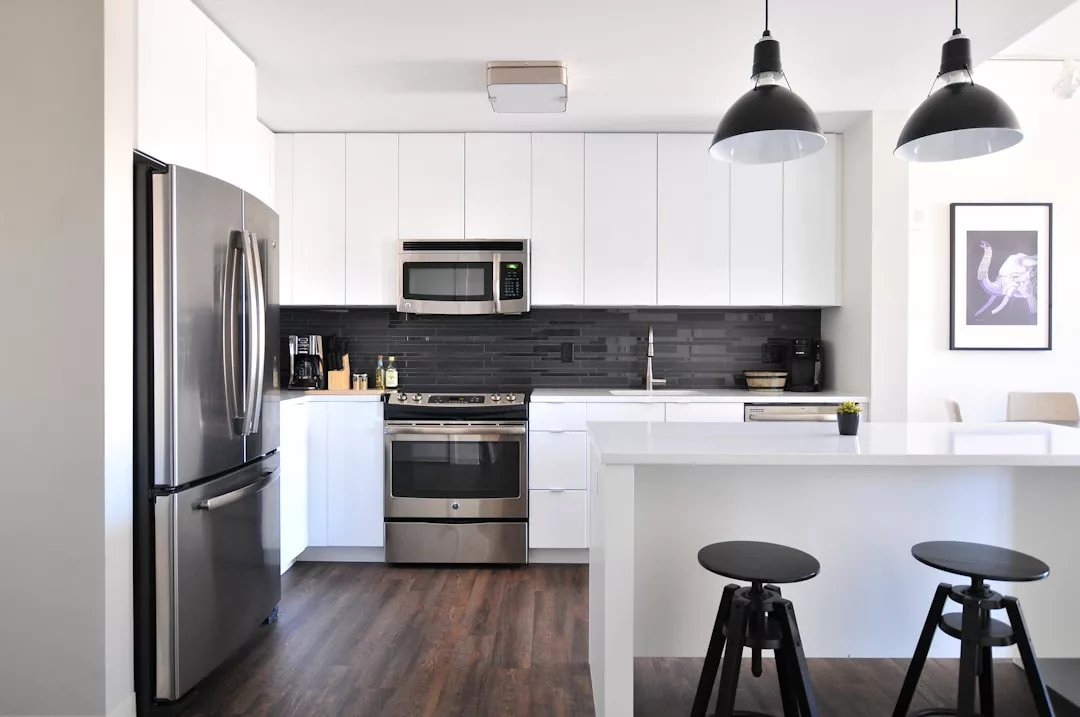
When contemplating the sale of a property in Copenhagen, several critical factors must be taken into account to ensure a successful transaction. One of the foremost considerations is the condition of the property itself. Properties that are well-maintained and updated tend to attract more buyers and can command higher prices.
Sellers should consider investing in minor renovations or staging their homes to enhance appeal. For instance, fresh paint, modern fixtures, and landscaping can significantly improve first impressions and lead to quicker sales. Another essential factor is understanding the local market dynamics.
Sellers should conduct thorough research on recent sales in their neighborhood to gauge pricing trends and buyer preferences. Engaging with a local real estate agent who possesses in-depth knowledge of the Copenhagen market can provide invaluable insights. These professionals can offer guidance on pricing strategies, marketing techniques, and negotiation tactics that align with current market conditions.
Additionally, sellers should be aware of any legal requirements or regulations that may affect their sale, such as property disclosures or zoning laws.
Seasonal Trends in the Copenhagen Real Estate Market
The Copenhagen real estate market exhibits distinct seasonal trends that can significantly influence the timing of property sales. Typically, spring and early summer are considered peak seasons for real estate transactions. During this period, the weather is more favorable, and potential buyers are more inclined to explore properties.
Families often prefer to move during the summer months to minimize disruption to their children’s schooling, making this an opportune time for sellers to list their homes. Conversely, the winter months tend to see a slowdown in activity as colder weather and holiday distractions deter potential buyers from house hunting. However, this does not mean that selling during winter is impossible; it simply requires a different approach.
Properties that are marketed effectively during this time can stand out due to reduced competition. Sellers may benefit from highlighting features that provide comfort during colder months, such as cozy fireplaces or energy-efficient heating systems.
Economic Indicators and Their Impact on Selling Your Property
Economic indicators play a pivotal role in shaping the real estate landscape in Copenhagen. Factors such as employment rates, GDP growth, and consumer confidence directly influence buyer behavior and market conditions. A strong economy typically correlates with increased demand for housing, as individuals feel more secure in their financial situations and are more willing to invest in property.
Conversely, economic downturns can lead to decreased demand and lower property values. For instance, during periods of economic growth, there is often an uptick in job creation within Copenhagen’s thriving sectors such as technology, pharmaceuticals, and renewable energy. This influx of professionals seeking housing can drive up property prices and create a competitive market for sellers.
On the other hand, if economic indicators suggest a recession or stagnation, sellers may need to adjust their expectations regarding pricing and be prepared for longer selling times.

Timing Your Sale to Maximize Profit in Copenhagen
Timing is crucial when it comes to selling property in Copenhagen. Sellers who strategically choose when to list their homes can significantly enhance their chances of maximizing profit. As previously mentioned, spring and early summer are generally favorable times for selling due to increased buyer activity.
However, sellers should also consider broader economic trends and local market conditions when determining the optimal time for their sale. Monitoring market fluctuations can provide valuable insights into when to enter the market. For example, if property prices are on an upward trajectory due to high demand or limited inventory, it may be wise to list sooner rather than later.
Conversely, if there are signs of an impending market correction or increased inventory levels, waiting for a more favorable climate could yield better results. Sellers should remain informed about local developments, such as new infrastructure projects or changes in zoning laws that could impact property values.

The Role of Interest Rates in Selling Your Property
Interest rates are a critical factor influencing the real estate market in Copenhagen and can have a profound impact on property sales. When interest rates are low, borrowing becomes more affordable for potential buyers, which can lead to increased demand for homes. This heightened demand often results in higher property prices as buyers compete for available listings.
Conversely, when interest rates rise, borrowing costs increase, potentially cooling buyer enthusiasm and leading to slower sales. Sellers should keep a close eye on interest rate trends when planning their sale. If rates are expected to rise significantly in the near future, it may be advantageous to sell sooner rather than later to capitalize on the current favorable borrowing environment for buyers.
Additionally, understanding how interest rates affect buyer behavior can help sellers tailor their marketing strategies accordingly. For instance, highlighting financing options or providing incentives for buyers can make properties more attractive during periods of rising interest rates.
How to Navigate Market Fluctuations When Selling in Copenhagen
Navigating market fluctuations requires a proactive approach from sellers in Copenhagen. The real estate market can be influenced by various external factors such as economic shifts, changes in government policy, or global events that impact buyer sentiment. To successfully navigate these fluctuations, sellers should remain informed about both local and global economic conditions that could affect their property’s value.
One effective strategy is to engage with real estate professionals who have their finger on the pulse of the market. These experts can provide timely updates on market trends and help sellers adjust their strategies accordingly. For example, if there is an unexpected downturn in the market due to external factors like geopolitical tensions or economic instability, sellers may need to reconsider their pricing strategy or marketing approach to attract buyers effectively.
Tips for Selling Your Property at the Right Time in Copenhagen
To sell a property at the right time in Copenhagen requires careful planning and strategic execution. One key tip is to stay informed about local real estate trends by regularly reviewing market reports and engaging with real estate professionals who specialize in the area. This knowledge will empower sellers to make informed decisions about when to list their properties based on current demand and pricing trends.
Another important consideration is flexibility regarding showings and open houses. Being accommodating with viewing times can significantly increase the likelihood of attracting potential buyers. Additionally, sellers should invest time in creating compelling marketing materials that highlight their property’s unique features and benefits.
High-quality photographs, virtual tours, and well-crafted descriptions can make a substantial difference in capturing buyer interest. Ultimately, selling a property in Copenhagen requires a combination of market knowledge, strategic timing, and effective marketing techniques. By understanding the nuances of the local real estate landscape and being proactive about adapting to changing conditions, sellers can position themselves for success in this vibrant market.

◦ Off-market questions
When is the best time of year to sell property in Copenhagen?
Spring and early summer are the peak selling seasons, when milder weather encourages viewings and families aim to move before the school year begins. Winter is quieter, but the reduced competition can help a well-marketed home stand out, especially if you highlight comforts such as a fireplace or energy-efficient heating.
How do interest rates influence the timing of a sale in Copenhagen?
Low interest rates make borrowing cheaper, boosting buyer demand and often pushing prices up as buyers compete for listings. When rates rise, borrowing costs climb and demand can cool. If rates are expected to increase, selling sooner lets you benefit from the current, more favourable borrowing environment for buyers.
Which neighbourhoods drive demand in the Copenhagen market?
Sought-after districts such as Vesterbro, Nørrebro and Østerbro have seen strong interest, including from foreign buyers within the EU, which has contributed to rising prices. Demand is underpinned by population growth, a robust economy and the city's high quality of life, though sellers should still research recent local sales before pricing.
Same market
More from Copenhagen

Copenhagen · 7 min
The Impact of Infrastructure Developments on Property Values in Copenhagen
Copenhagen, the capital of Denmark, has long been recognized for its innovative approach to urban planning and infrastructure development. The city ha…
Copenhagen · 7 min
Top Districts in Copenhagen for High-Yield Property Investments
Copenhagen, the capital of Denmark, has emerged as a vibrant hub for property investments, particularly in the realm of high-yield opportunities. The …

Copenhagen · 7 min
Top Real Estate Agencies in Copenhagen: A Guide for Discerning Buyers
Copenhagen, the capital of Denmark, is renowned for its vibrant culture, rich history, and high quality of life. The real estate market in this city r…