Dubai · 25.20°N 55.27°E · File 908
Renovations in Dubai: What Buyers Should Consider
Dubai, a dazzling gem in the United Arab Emirates, is strategically located at the crossroads of Europe, Asia, and Africa. This prime geographical positioning has not only made it …



Dubai, a dazzling gem in the United Arab Emirates, is strategically located at the crossroads of Europe, Asia, and Africa. This prime geographical positioning has not only made it a global hub for trade and tourism but has also contributed to its rapid urban development. The city is bordered by the Arabian Gulf to the northwest, providing stunning waterfront views and a plethora of beachside activities.
Its diverse neighborhoods, each with its unique character, cater to a wide range of lifestyles and preferences. From the opulent high-rises of Downtown Dubai to the serene villas of Jumeirah, the city offers something for everyone. The neighborhoods in Dubai are as varied as its residents.
Areas like Dubai Marina and Palm Jumeirah are known for their luxurious living and vibrant nightlife, attracting expatriates and affluent locals alike. In contrast, neighborhoods such as Al Quoz and Deira offer a more traditional experience, showcasing the rich cultural heritage of the Emirate. The city’s infrastructure is well-planned, with an extensive public transport system that includes the Dubai Metro, buses, and water taxis, making it easy for residents to navigate between these diverse areas.
The blend of modernity and tradition in Dubai’s neighborhoods creates a unique living experience that is both cosmopolitan and culturally rich.
Key Takeaways
- Location and Neighborhood: Consider the proximity to amenities, schools, and transportation when choosing a property location.
- Budget and Financing: Determine your budget and explore financing options before starting your property search.
- Type of Property: Decide on the type of property that best suits your needs, whether it’s a single-family home, condo, or townhouse.
- Renovation Restrictions and Regulations: Research local renovation regulations and restrictions before making any changes to the property.
- Hiring a Professional Contractor: When renovating, hire a licensed and experienced contractor to ensure quality work and adherence to regulations.
- Energy Efficiency and Sustainability: Consider energy-efficient upgrades and sustainable materials to reduce environmental impact and save on utility costs.
- Future Resale Value: Keep potential resale value in mind when making renovation decisions to ensure a good return on investment.
- Maintenance and Upkeep: Plan for ongoing maintenance and upkeep to preserve the property’s value and functionality.
Budget and Financing
When considering a property investment in Dubai, understanding the budget and financing options available is crucial. The real estate market in Dubai is known for its competitive pricing, but it can also be quite complex. Buyers should first assess their financial situation, including savings, income, and any existing debts.
This assessment will help determine how much they can afford to spend on a property without overextending themselves financially. Additionally, potential buyers should factor in other costs associated with purchasing property, such as registration fees, maintenance charges, and property taxes. Financing options in Dubai are diverse, with various banks and financial institutions offering mortgage products tailored to both residents and non-residents.
For expatriates looking to invest in Dubai’s real estate market, many banks provide financing up to 80% of the property’s value for UAE residents and up to 75% for non-residents. It is essential to shop around for the best mortgage rates and terms, as these can vary significantly between lenders. Furthermore, understanding the implications of currency fluctuations is vital for international buyers who may be dealing with different currencies when making their investment.
Type of Property
Dubai’s real estate market boasts an impressive array of property types, catering to a wide spectrum of preferences and budgets. From luxurious penthouses with panoramic views of the skyline to cozy apartments in family-friendly communities, the options are virtually limitless. For those seeking a more spacious living environment, villas in gated communities offer privacy and security while providing access to amenities such as parks, swimming pools, and gyms.
The choice of property type often reflects the lifestyle aspirations of the buyer, whether they prioritize luxury, convenience, or community living. In addition to residential properties, Dubai’s real estate market also includes commercial spaces such as office buildings, retail outlets, and warehouses. The demand for commercial properties has surged in recent years due to the city’s booming economy and its status as a business hub in the region.
Investors looking to diversify their portfolios may find opportunities in this sector particularly appealing. Moreover, with ongoing developments like Dubai Expo 2020 and various free zones designed to attract international businesses, the potential for growth in commercial real estate remains strong.
Renovation Restrictions and Regulations
When it comes to renovating properties in Dubai, understanding local regulations and restrictions is paramount. The Dubai Municipality oversees building codes and renovation permits to ensure that all construction activities adhere to safety standards and aesthetic guidelines. Homeowners planning renovations must submit detailed plans for approval before commencing any work.
This process can vary depending on the type of property and the extent of the renovations planned. For instance, minor cosmetic changes may require less documentation than structural alterations or expansions. Additionally, certain areas in Dubai may have specific guidelines regarding architectural styles and materials used in renovations.
For example, properties located in heritage districts may be subject to stricter regulations to preserve their historical significance. Homeowners should also be aware of any homeowners’ association (HOA) rules that may apply if they reside in a community governed by an HOThese regulations can dictate everything from exterior paint colors to landscaping choices, ensuring that the neighborhood maintains a cohesive appearance.
Hiring a Professional Contractor
Engaging a professional contractor is a critical step in any renovation project in Dubai. With numerous contractors available in the market, selecting the right one can significantly impact the quality and efficiency of the work performed. Homeowners should begin by conducting thorough research, seeking recommendations from friends or family who have undertaken similar projects.
Online reviews and ratings can also provide valuable insights into a contractor’s reputation and reliability. Once potential contractors have been identified, it is essential to conduct interviews and request detailed quotes that outline the scope of work, timelines, and costs involved. A reputable contractor will be transparent about their processes and willing to provide references from previous clients.
Additionally, homeowners should ensure that the contractor holds all necessary licenses and insurance coverage to protect against potential liabilities during the renovation process. Establishing clear communication from the outset will help set expectations and foster a collaborative working relationship throughout the project.


Energy Efficiency and Sustainability
Designing for Sustainability
Many new developments in Dubai are being designed with eco-friendly features that reduce energy consumption and minimize environmental impact. These features may include solar panels, energy-efficient appliances, smart home technology, and sustainable building materials that promote better insulation and reduce waste.Retrofitting for Energy Efficiency
Homeowners looking to enhance their property’s energy efficiency can explore various retrofitting options during renovations. Simple changes such as installing double-glazed windows or upgrading insulation can significantly reduce energy costs over time. Additionally, incorporating water-saving fixtures and appliances can contribute to sustainability efforts while lowering utility bills.The Future of Sustainable Properties
As Dubai continues to position itself as a leader in sustainable development, properties that prioritize energy efficiency are likely to become more desirable among environmentally conscious buyers.Future Resale Value
When investing in real estate in Dubai, considering future resale value is essential for long-term financial planning. The city’s dynamic property market can be influenced by various factors such as economic conditions, infrastructure developments, and demographic trends. Properties located in prime areas with access to amenities like schools, shopping centers, and public transport tend to retain their value better than those situated in less desirable locations.
Moreover, emerging neighborhoods often present lucrative opportunities for investors looking to capitalize on future growth potential. As Dubai continues to expand its infrastructure and attract international businesses, areas undergoing development may see significant appreciation in property values over time.
Maintenance and Upkeep
Maintaining a property in Dubai requires careful attention to detail and proactive management. Regular upkeep is essential not only for preserving the property’s value but also for ensuring a comfortable living environment for residents. Homeowners should establish a routine maintenance schedule that includes tasks such as cleaning air conditioning units, checking plumbing systems for leaks, and inspecting electrical systems for safety.
For those living in communities governed by homeowners’ associations (HOAs), adhering to community guidelines regarding maintenance is crucial. Many HOAs offer maintenance services that cover common areas but may require homeowners to manage their properties independently. Engaging professional maintenance services can alleviate some of the burdens associated with upkeep while ensuring that repairs are conducted promptly and efficiently.
In conclusion, investing in property in Dubai presents numerous opportunities across various aspects such as location, financing options, property types, renovation regulations, contractor selection, energy efficiency initiatives, resale value considerations, and ongoing maintenance requirements.
Same market
More from Dubai
Dubai · 14 min
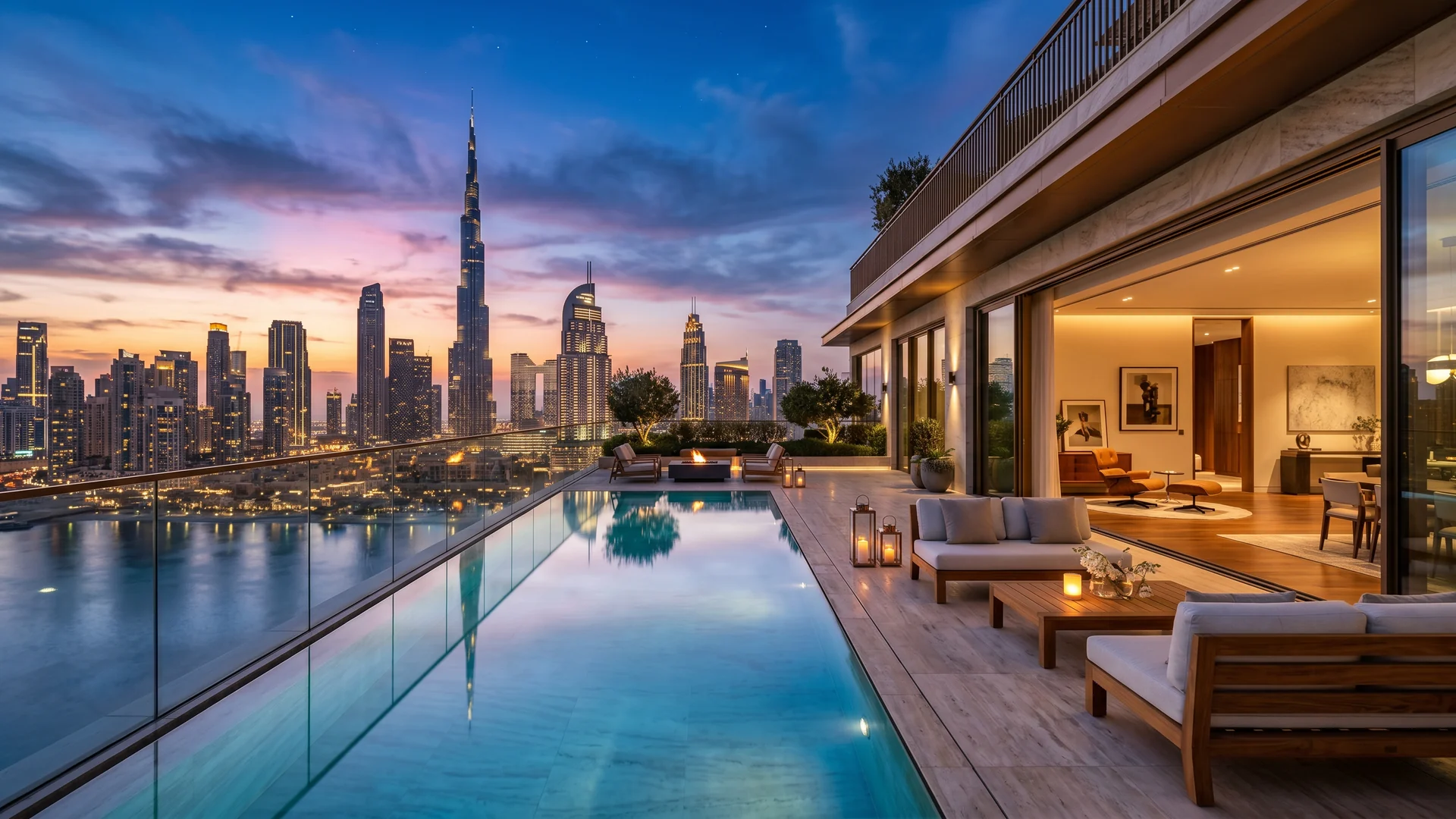
Dubai Luxury Real Estate Guide
Dubai luxury real estate guide: 2025 prices for Palm Jumeirah, Emirates Hills and Downtown villas, zero-tax benefits, Golden Visa and the 2026 market …
Dubai · 6 min
The Impact of Expo City Proximity on Real Estate Market
Expo City, a vibrant hub of innovation and culture, has emerged as a focal point for global attention since the World Expo 2020 was held there. Locate…
Dubai · 6 min
Exclusive Gated Communities in Dubai: Privacy and Security
In recent years, Dubai has witnessed a remarkable transformation in its real estate landscape, particularly with the emergence of exclusive gated comm…