Oslo · 59.91°N 10.75°E · File 2978
Pricing Strategies for Apartments and Lofts in Oslo
The Oslo real estate market is a dynamic and multifaceted environment that reflects the broader economic conditions of Norway. As the capital city, Oslo serves as a cultural and ec…

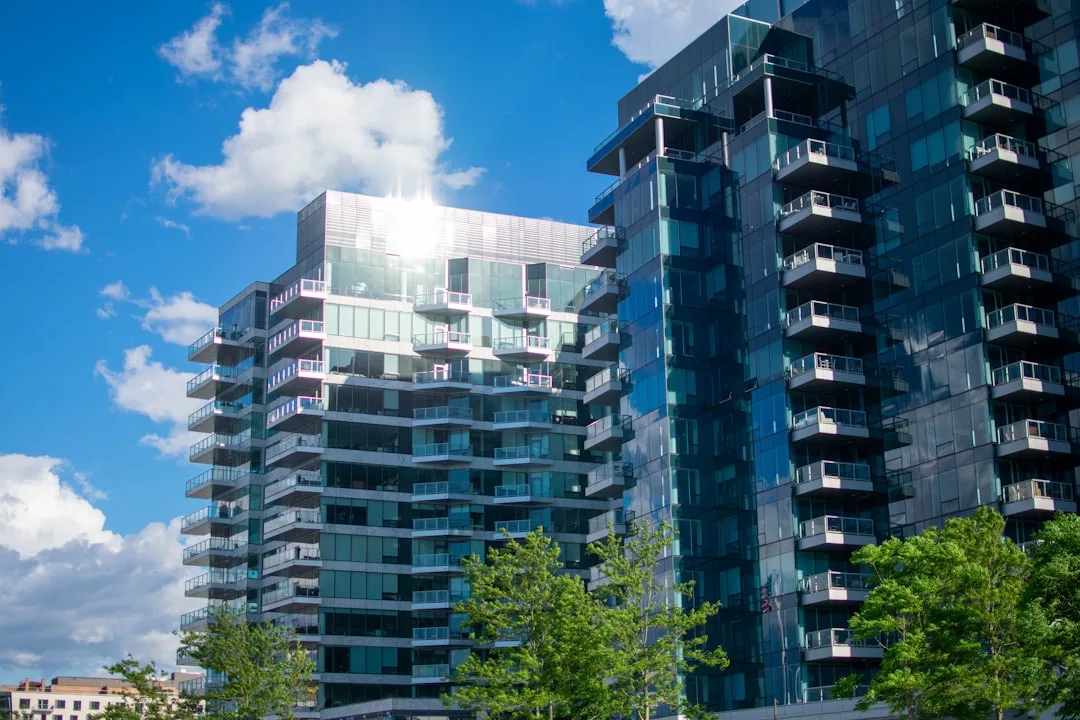

The Oslo real estate market is a dynamic and multifaceted environment that reflects the broader economic conditions of Norway. As the capital city, Oslo serves as a cultural and economic hub, attracting both domestic and international investors. The market has experienced significant fluctuations over the years, influenced by various factors such as population growth, economic stability, and government policies.
In recent years, Oslo has seen a surge in demand for residential properties, particularly apartments and lofts, driven by an influx of young professionals and families seeking urban living experiences. The unique characteristics of Oslo’s geography also play a crucial role in shaping its real estate landscape. Nestled between the fjord and forested hills, the city offers a blend of urban convenience and natural beauty.
This geographical positioning not only enhances the appeal of living in Oslo but also contributes to the varying price points across different neighborhoods. Areas closer to the city center tend to command higher prices due to their accessibility to amenities, public transport, and cultural attractions. Conversely, properties located further from the center may offer more space and tranquility at a lower cost, appealing to families and those seeking a quieter lifestyle.
Key Takeaways
- The Oslo real estate market is influenced by factors such as location, amenities, and development type.
- Factors affecting apartment and loft prices in Oslo include size, condition, and proximity to public transportation.
- Different pricing strategies for apartments and lofts in Oslo include competitive pricing, value-based pricing, and premium pricing.
- Location plays a crucial role in pricing apartments and lofts in Oslo, with proximity to city center and waterfront areas commanding higher prices.
- Pricing strategies for new developments in Oslo differ from existing properties, with new developments often priced at a premium due to modern amenities and features.
Factors Affecting Apartment and Loft Prices in Oslo
Several key factors influence the pricing of apartments and lofts in Oslo, each contributing to the overall market dynamics. One of the most significant factors is the supply and demand equation. As more people move to Oslo for work or study, the demand for housing continues to rise.
This increased demand often outpaces supply, particularly in desirable neighborhoods, leading to higher prices. Additionally, the construction of new residential developments has not kept pace with this demand, further exacerbating the situation. Economic indicators also play a vital role in determining property prices.
The strength of Norway’s economy, characterized by low unemployment rates and robust GDP growth, positively impacts consumer confidence and purchasing power. When the economy is thriving, individuals are more likely to invest in real estate, driving prices upward. Conversely, economic downturns can lead to decreased demand and lower prices as potential buyers become more cautious about their financial commitments.
Furthermore, interest rates set by the central bank can significantly affect mortgage affordability, influencing buyer behavior in the market.
Different Pricing Strategies for Apartments and Lofts in Oslo
In the competitive landscape of Oslo’s real estate market, sellers often employ various pricing strategies to attract potential buyers while maximizing their returns. One common approach is competitive pricing, where sellers analyze similar properties in the area to set a price that is attractive yet reflective of market conditions. This strategy requires a thorough understanding of comparable sales data and current market trends to ensure that the property does not sit on the market for too long or become undervalued.
Another strategy is value-based pricing, which focuses on highlighting unique features or benefits of a property that may justify a higher price point. For instance, an apartment with stunning views of the fjord or a loft with historical architectural elements may command a premium due to their distinctive characteristics. Sellers employing this strategy often invest in staging and marketing efforts that emphasize these unique selling points to potential buyers.
Additionally, some sellers may choose to adopt a psychological pricing strategy, setting prices just below a round number (e.g., NOK 4,995,000 instead of NOK 5,000,000) to create an impression of better value.

The Role of Location in Pricing Apartments and Lofts in Oslo
Location is perhaps one of the most critical determinants of property prices in Oslo. The city is divided into various neighborhoods, each with its own unique character and appeal. Areas such as Frogner and Majorstuen are known for their upscale residences and proximity to parks, shopping districts, and cultural institutions, making them highly sought after by affluent buyers.
Consequently, properties in these neighborhoods often command premium prices due to their desirability. Conversely, neighborhoods further from the city center may offer more affordable options but can lack some of the amenities that urban dwellers seek. However, areas like Grünerløkka have gained popularity among younger residents for their vibrant arts scene and trendy cafes, leading to rising property values despite being slightly removed from the central business district.
The ongoing gentrification of certain neighborhoods can also lead to increased prices as new developments attract higher-income residents and businesses. Developers typically set prices based on construction costs, market demand forecasts, and anticipated future value appreciation. New builds may come with modern amenities and energy-efficient features that appeal to buyers looking for contemporary living spaces.
As such, developers may adopt a premium pricing strategy initially to capitalize on the novelty of new constructions. In contrast, existing properties may require more nuanced pricing strategies that take into account factors such as age, condition, and historical price trends. Sellers of older apartments or lofts might need to consider renovation costs or potential maintenance issues when setting their prices.
Additionally, existing properties may benefit from established neighborhood reputations or historical significance that can justify higher price points despite their age. Sellers must balance these considerations with current market conditions to arrive at a competitive yet realistic asking price.

The Impact of Amenities and Features on Apartment and Loft Prices in Oslo
Modern Conveniences and Sustainability
Properties equipped with modern conveniences such as high-end kitchen appliances, smart home technology, or energy-efficient systems tend to attract higher prices due to their appeal to contemporary buyers who prioritize comfort and sustainability.Outdoor Spaces and Proximity to Amenities
The presence of outdoor spaces is another critical factor influencing pricing. In a city like Oslo where outdoor living is cherished due to its natural surroundings, apartments with balconies or access to gardens can command premium prices. Furthermore, proximity to public transport options or essential services such as grocery stores and schools can also enhance property values.Negotiation Tactics for Getting the Best Price for an Apartment or Loft in Oslo
Navigating the negotiation process when purchasing an apartment or loft in Oslo requires strategic thinking and preparation. One effective tactic is conducting thorough research on comparable properties in the area to establish a solid understanding of market values. This knowledge empowers buyers during negotiations by providing concrete data to support their offers or counteroffers.
Additionally, being aware of how long a property has been on the market can provide leverage; if a property has been listed for an extended period without significant interest, buyers may negotiate more aggressively. Another important tactic involves building rapport with sellers or their agents. Establishing a positive relationship can create goodwill that may lead to more favorable terms during negotiations.
Buyers should also be prepared to demonstrate flexibility regarding closing dates or contingencies; showing willingness to accommodate sellers’ needs can sometimes result in better pricing outcomes. Ultimately, effective negotiation hinges on clear communication and an understanding of both parties’ motivations.
The Future of Pricing Strategies for Apartments and Lofts in Oslo
As Oslo continues to evolve as a vibrant urban center, pricing strategies for apartments and lofts are likely to adapt accordingly. With increasing emphasis on sustainability and eco-friendly living, future developments may incorporate green building practices that could influence pricing structures. Properties that meet high environmental standards may command premium prices as buyers become more conscious of their ecological footprint.
Additionally, technological advancements are expected to play a significant role in shaping future pricing strategies. The rise of digital platforms for real estate transactions allows for greater transparency in pricing and market trends. Buyers will have access to real-time data on property values and neighborhood dynamics, enabling them to make informed decisions based on comprehensive insights rather than relying solely on traditional methods.
Furthermore, as remote work becomes more prevalent post-pandemic, there may be shifts in demand toward suburban areas or smaller towns surrounding Oslo as individuals seek larger living spaces at more affordable prices while maintaining access to urban amenities. This trend could lead to changes in pricing strategies as sellers adapt to evolving buyer preferences influenced by lifestyle changes. In conclusion, understanding the complexities of the Oslo real estate market requires an appreciation for various factors influencing apartment and loft prices.
From location dynamics to negotiation tactics and future trends shaped by technology and sustainability considerations, each element plays a crucial role in determining how properties are priced within this vibrant urban landscape.

Same market
More from Oslo
Oslo · 6 min
Sustainable Building Practices: Leading the Way in Oslo
Sustainable building practices have emerged as a critical response to the pressing environmental challenges of our time. These practices encompass a w…

Oslo · 6 min
Trends in Oslo’s Property Prices Over the Last Decade
Oslo, the capital of Norway, has emerged as a vibrant hub for real estate investment and development in recent years. With its picturesque landscapes,…

Oslo · 7 min
Living in Frogner: The Heart of Oslo’s Urban Luxury
Frogner, a prestigious district in Oslo, epitomizes the blend of urban sophistication and natural beauty that characterizes Norway’s capital. Ne…