Oslo · 59.91°N 10.75°E · File 3120
Living in Frogner: The Heart of Oslo’s Urban Luxury
Frogner, a prestigious district in Oslo, epitomizes the blend of urban sophistication and natural beauty that characterizes Norway’s capital. Nestled to the west of the city …

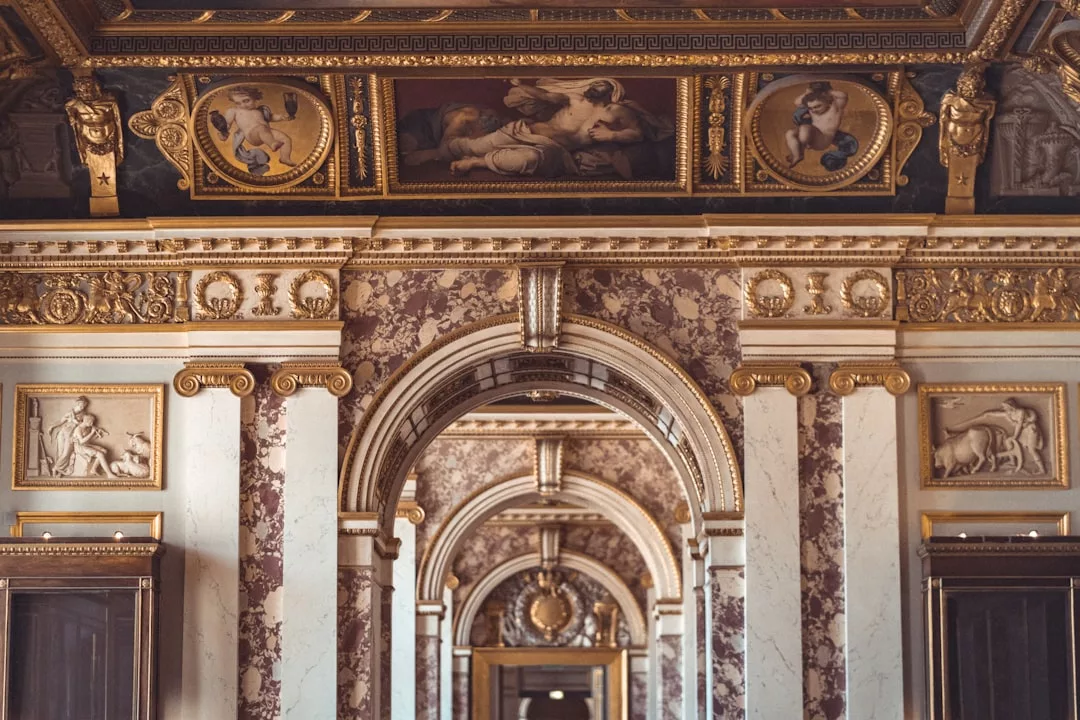

Frogner, a prestigious district in Oslo, epitomizes the blend of urban sophistication and natural beauty that characterizes Norway’s capital. Nestled to the west of the city center, Frogner is renowned for its elegant architecture, lush parks, and a vibrant cultural scene. This area has become synonymous with luxury living, attracting affluent residents and visitors alike who are drawn to its unique charm and amenities.
The district’s tree-lined streets are adorned with grand buildings, many of which date back to the late 19th and early 20th centuries, showcasing a variety of architectural styles that reflect Oslo’s rich history. The allure of Frogner extends beyond its physical beauty; it is a hub of social activity and cultural engagement. The district is home to some of the city’s most prestigious institutions, including art galleries, museums, and theaters, making it a focal point for those seeking a refined urban experience.
Frogner’s blend of historical significance and modern luxury creates an environment that is both inviting and exclusive, making it a desirable location for both residents and tourists. As one strolls through its streets, the ambiance of Frogner reveals itself—a harmonious balance of nature, culture, and high-end living.
Key Takeaways
- Frogner is the heart of urban luxury in Oslo, offering a mix of history, culture, and high-end amenities.
- The history and culture of Frogner are rich and diverse, with influences from both traditional Norwegian heritage and modern urban development.
- Frogner Park and its iconic sculpture garden are must-see attractions, showcasing the artistic and natural beauty of the area.
- Frogner’s exclusive residential areas and architecture reflect the area’s affluent and sophisticated atmosphere.
- The high-end shopping and dining scene in Frogner offers a variety of upscale options for residents and visitors alike.
The History and Culture of Frogner
Urbanization and Development
The park’s development was part of a broader movement to enhance public spaces in Oslo, reflecting the city’s commitment to creating a livable environment for its citizens. Over the years, Frogner evolved into an affluent residential area, attracting prominent figures from various fields, including politics, arts, and business.Cultural Hub
Culturally, Frogner has maintained its status as a center for artistic expression and intellectual discourse. The district is home to several notable institutions, such as the Oslo City Museum, which offers insights into the city’s history and development. Additionally, Frogner hosts various cultural events throughout the year, celebrating everything from music to literature.A Vibrant Cultural Scene
The presence of art galleries and theaters further enriches the cultural landscape, providing platforms for both established and emerging artists. This vibrant cultural scene not only enhances the quality of life for residents but also draws visitors eager to experience Oslo’s artistic offerings.The Iconic Frogner Park and its Sculpture Garden
At the heart of Frogner lies the iconic Frogner Park, a sprawling green space that serves as both a recreational area and a cultural landmark. Designed by landscape architect Hans Jacobsen in the mid-19th century, the park covers over 45 hectares and features meticulously manicured gardens, walking paths, and recreational facilities. However, what truly sets Frogner Park apart is its renowned sculpture garden, which showcases the works of Norwegian sculptor Gustav Vigeland.
This unique collection comprises over 200 sculptures that explore themes of human emotion, relationships, and the cycle of life. Vigeland’s sculptures are not only artistically significant but also serve as a reflection of Norwegian society and culture. The centerpiece of the park is the Monolith, a towering structure made from granite that depicts intertwined human figures reaching towards the sky.
Surrounding this monumental piece are various sculptures that capture moments of joy, sorrow, love, and despair. Visitors to Frogner Park often find themselves immersed in these powerful representations of the human experience, making it a popular destination for both locals and tourists. The park’s serene atmosphere provides an ideal backdrop for contemplation and leisure, further enhancing its status as a cultural gem within Oslo.

Frogner’s Exclusive Residential Areas and Architecture
Frogner is characterized by its exclusive residential neighborhoods that boast some of Oslo’s most sought-after real estate. The architecture in this district reflects a rich tapestry of styles, from neoclassical to Art Nouveau, with many buildings featuring ornate facades and intricate detailing. Streets like Bygdøy allé and Frogner allé are lined with elegant townhouses and apartment buildings that exude sophistication and charm.
These residences often come with spacious interiors and modern amenities while retaining their historical character. The appeal of living in Frogner extends beyond the architectural beauty; it also encompasses a sense of community and security that many residents cherish. The area is known for its low crime rates and well-maintained public spaces, making it an attractive option for families and professionals alike.
Additionally, the proximity to parks, schools, and cultural institutions enhances the quality of life for those who call Frogner home. As urban living continues to evolve, Frogner remains a bastion of luxury and comfort within Oslo’s dynamic landscape.
The High-End Shopping and Dining Scene in Frogner
Frogner’s shopping scene is a testament to its upscale lifestyle, featuring an array of boutiques and designer stores that cater to discerning tastes. Streets like Hegdehaugsveien are dotted with high-end fashion retailers offering everything from bespoke clothing to luxury accessories.
This diverse shopping experience attracts fashion enthusiasts who appreciate quality and exclusivity. Dining in Frogner is equally impressive, with a selection of gourmet restaurants that highlight both local ingredients and international cuisine. Establishments such as Restaurant Eik Annen Etage offer fine dining experiences that celebrate Norwegian culinary traditions while incorporating modern techniques.
For those seeking a more casual atmosphere, cozy cafes and bistros line the streets, serving everything from artisanal coffee to delectable pastries. The emphasis on quality ingredients and innovative cooking methods has positioned Frogner as a culinary destination within Oslo, drawing food lovers eager to explore its diverse offerings.

Frogner’s Vibrant Arts and Entertainment Scene
The arts scene in Frogner is vibrant and multifaceted, reflecting the district’s commitment to cultural enrichment. Numerous galleries showcase contemporary art from both established and emerging artists, providing platforms for creative expression. The presence of institutions like the National Museum of Art further elevates Frogner’s status as an artistic hub, offering exhibitions that span various mediums and styles.
This dynamic environment fosters collaboration among artists and encourages dialogue about contemporary issues through art. In addition to visual arts, Frogner boasts a lively performing arts scene that includes theaters hosting plays, concerts, and dance performances. Venues such as the Oslo Concert Hall attract renowned musicians from around the world, while local theaters provide opportunities for community engagement through performances that resonate with audiences.
Festivals celebrating music, film, and literature are also common in Frogner, drawing crowds eager to partake in cultural festivities.
The Green Spaces and Outdoor Activities in Frogner
Frogner is celebrated for its abundant green spaces that offer residents ample opportunities for outdoor activities and relaxation. Beyond the iconic Frogner Park, smaller parks such as Sofienberg Park provide tranquil settings for picnics or leisurely strolls amidst nature. These green areas are meticulously maintained and often feature playgrounds for children, making them popular spots for families seeking outdoor recreation.
The district’s commitment to promoting an active lifestyle is evident in its numerous walking and cycling paths that wind through parks and along scenic routes. Residents can enjoy jogging along tree-lined avenues or cycling through picturesque landscapes while taking in views of Oslo’s stunning architecture. Seasonal activities such as ice skating in winter or outdoor yoga classes in summer further enhance the appeal of these green spaces.
The integration of nature into urban living is a hallmark of Frogner’s design philosophy, ensuring that residents can enjoy both the vibrancy of city life and the tranquility of nature.
The Convenient Transportation and Accessibility of Frogner
Frogner’s strategic location within Oslo ensures convenient transportation options for residents and visitors alike. The district is well-served by public transportation systems, including trams and buses that connect it seamlessly to other parts of the city. The Oslo Metro also provides easy access to key destinations within the capital, making commuting efficient for those who work or study elsewhere.
For those who prefer to travel by car or bicycle, Frogner’s layout facilitates smooth navigation through its streets while offering ample parking options in designated areas. Additionally, pedestrian-friendly pathways encourage walking as a viable mode of transportation within the district itself. This accessibility not only enhances daily life for residents but also makes Frogner an attractive destination for tourists exploring Oslo’s rich cultural offerings.
With its blend of convenience and charm, Frogner stands out as a model for urban living in Norway’s capital city.

Same market
More from Oslo
Oslo · 6 min
Sustainable Building Practices: Leading the Way in Oslo
Sustainable building practices have emerged as a critical response to the pressing environmental challenges of our time. These practices encompass a w…

Oslo · 6 min
Trends in Oslo’s Property Prices Over the Last Decade
Oslo, the capital of Norway, has emerged as a vibrant hub for real estate investment and development in recent years. With its picturesque landscapes,…

Oslo · 6 min
The Trend Towards Sustainable Property Developments in Oslo
Oslo, the capital of Norway, has emerged as a beacon of sustainable property development in recent years. This transformation is not merely a trend bu…