Oslo · 59.91°N 10.75°E · File 3096
Long-Term Trends: Oslo’s Positioning for Future Property Buyers
Oslo, the capital of Norway, has emerged as a vibrant hub for real estate investment, characterized by a dynamic property market that reflects the city’s economic vitality an…

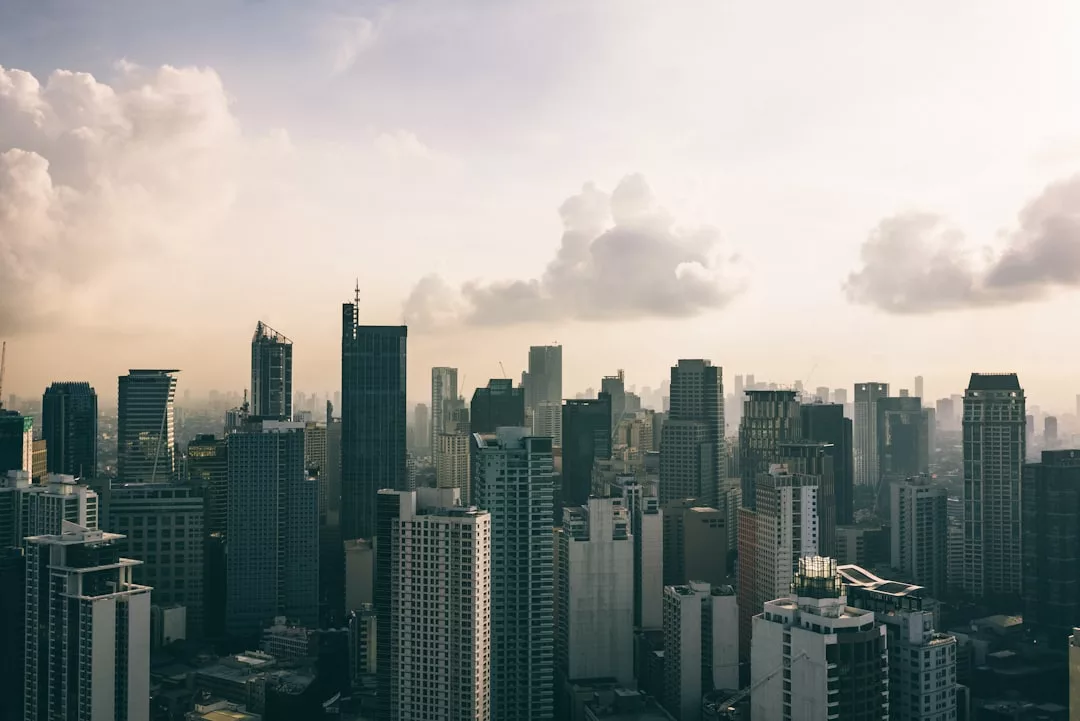

Oslo, the capital of Norway, has emerged as a vibrant hub for real estate investment, characterized by a dynamic property market that reflects the city’s economic vitality and cultural richness. The city’s property landscape is marked by a blend of historical architecture and modern developments, catering to a diverse population that includes locals and expatriates alike. As one of the fastest-growing cities in Europe, Oslo’s real estate sector has attracted significant attention from both domestic and international investors, drawn by the promise of stable returns and a high quality of life.
The property market in Oslo is influenced by various factors, including economic stability, demographic trends, and government policies. The city has seen a steady increase in property values over the past decade, driven by a robust economy and a growing population. This upward trajectory is not merely a reflection of market speculation; it is underpinned by tangible economic indicators and a strategic vision for urban development.
As Oslo continues to evolve, understanding the intricacies of its property market becomes essential for potential buyers and investors looking to navigate this complex landscape.
Key Takeaways
- Oslo’s property market is experiencing significant growth and demand due to various factors such as economic growth, infrastructure development, sustainable urban planning, demographic shifts, and technological innovation.
- Long-term economic growth in Oslo has contributed to the increasing demand for properties, making it an attractive market for potential investors and buyers.
- Infrastructure development and connectivity in Oslo have improved accessibility and transportation, making the city more desirable for property investment.
- Sustainable urban planning and green spaces are key factors in Oslo’s property market, as the city prioritizes environmental sustainability and quality of life for its residents.
- Demographic shifts and housing demand in Oslo are driving the need for more diverse and affordable housing options, presenting opportunities for property developers and investors.
Long-Term Economic Growth in Oslo
Economic Performance
According to Statistics Norway, Oslo’s GDP growth consistently outpaces the national average, reflecting its status as an economic powerhouse. The long-term economic outlook for Oslo remains positive, bolstered by strategic investments in infrastructure and technology.Sustainable Development
The city has embraced a forward-thinking approach to economic development, focusing on sustainability and digital transformation.Growth and Demand
This economic dynamism translates into increased demand for housing, as more individuals and families relocate to Oslo in search of employment opportunities and a high standard of living.Infrastructure Development and Connectivity
A critical component of Oslo’s property market is its ongoing infrastructure development, which significantly enhances connectivity within the city and beyond. The city has invested heavily in public transportation systems, including an extensive network of trams, buses, and metro lines that facilitate easy access to various neighborhoods. The expansion of the Oslo Metro system, for example, has opened up previously underdeveloped areas, making them more attractive for residential and commercial investments.
Moreover, Oslo’s commitment to sustainable transportation solutions is evident in its promotion of cycling and walking paths throughout the city. The establishment of car-free zones in the city center has not only improved air quality but has also made urban living more appealing. These infrastructure improvements are crucial for property buyers as they directly influence property values; areas with better connectivity tend to see higher demand and appreciation rates.
As Oslo continues to enhance its infrastructure, the potential for growth in property values remains significant.

Sustainable Urban Planning and Green Spaces
Oslo is recognized globally for its commitment to sustainable urban planning, which plays a pivotal role in shaping its property market. The city has implemented ambitious policies aimed at reducing its carbon footprint while enhancing the livability of urban spaces. One notable initiative is the “Oslo Green Strategy,” which focuses on integrating green spaces into urban development projects.
This strategy not only promotes biodiversity but also improves residents’ quality of life by providing accessible parks and recreational areas. The emphasis on green spaces is particularly evident in new residential developments that prioritize environmental sustainability. For instance, projects like the Barcode Project in Bjørvika showcase innovative architectural designs that incorporate green roofs and communal gardens.
These developments not only attract environmentally conscious buyers but also contribute to higher property values due to their desirable locations and amenities. As urbanization continues to rise globally, Oslo’s approach to sustainable planning sets a benchmark for other cities while simultaneously enhancing its real estate appeal.

Demographic Shifts and Housing Demand
Demographic trends play a crucial role in shaping Oslo’s housing market dynamics. The city has experienced significant population growth over the past decade, driven by both domestic migration and international immigration. Young professionals, families, and students are increasingly drawn to Oslo due to its robust job market, high standard of living, and vibrant cultural scene.
This influx of residents has led to heightened demand for housing across various segments, from affordable apartments to luxury condominiums. As the population diversifies, so too does the demand for different types of housing. There is a growing need for family-friendly homes with access to schools and parks, as well as smaller units catering to young professionals seeking urban living experiences.
This shift in demographics necessitates adaptive responses from developers and policymakers alike. For instance, initiatives aimed at increasing the supply of affordable housing are critical in ensuring that Oslo remains accessible to all income levels while maintaining its status as an attractive destination for new residents.
Technology and Innovation in Oslo’s Real Estate
The Rise of Proptech
The emergence of proptech, or property technology, has introduced innovative solutions that simplify transactions and enhance the overall experience for buyers and sellers. Digital platforms that facilitate virtual tours, online listings, and data analytics are becoming increasingly popular, enabling potential buyers to make informed decisions without the need for extensive physical visits.Smart Building Solutions
Technology is also playing a vital role in property management through smart building solutions that enhance energy efficiency and tenant satisfaction. Many new developments in Oslo are equipped with smart home technologies that allow residents to control lighting, heating, and security systems remotely. This integration of technology not only appeals to tech-savvy buyers but also contributes to lower operational costs for property owners.The Future of Oslo’s Real Estate Market
As these trends continue to evolve, they will undoubtedly shape the future landscape of Oslo’s real estate market.Government Policies and Regulations
Government policies significantly impact Oslo’s property market by establishing regulations that govern land use, zoning, and housing development. The Norwegian government has implemented various measures aimed at promoting sustainable development while ensuring that housing remains accessible to residents. For instance, policies encouraging mixed-use developments have led to vibrant neighborhoods where residential units coexist with commercial spaces, fostering community engagement.
Additionally, the government has introduced initiatives aimed at curbing speculative investments that can lead to housing shortages or inflated prices. These measures include stricter lending regulations for buyers and incentives for developers who prioritize affordable housing projects. Such policies are essential in maintaining a balanced property market that serves the needs of all residents while promoting long-term stability.
Understanding these regulations is crucial for potential investors who must navigate the complexities of compliance while seeking opportunities within Oslo’s evolving real estate landscape.
Investment Opportunities for Future Property Buyers
For prospective property buyers looking at Oslo’s real estate market, numerous investment opportunities exist across various segments. The ongoing urban development projects present unique chances for investors willing to engage with emerging neighborhoods that are poised for growth. Areas such as Grünerløkka and Tøyen have seen revitalization efforts that have transformed them into desirable locations for young professionals and families alike.
Furthermore, with the increasing emphasis on sustainability, properties that incorporate eco-friendly features are likely to see enhanced demand in the coming years. Investors who focus on developments that align with green building standards may find themselves at an advantage as more buyers prioritize environmental considerations in their purchasing decisions. Additionally, as remote work becomes more prevalent post-pandemic, there may be opportunities in suburban areas surrounding Oslo where larger homes with outdoor spaces are becoming increasingly sought after.
In conclusion, Oslo’s property market presents a wealth of opportunities driven by economic growth, infrastructure development, demographic shifts, technological advancements, government policies, and sustainable practices. For those looking to invest in this dynamic landscape, understanding these factors will be key to making informed decisions that align with both current trends and future potential within this thriving capital city.

◦ Off-market questions
What is driving long-term growth in Oslo's property market?
Oslo's GDP growth consistently outpaces Norway's national average, supported by strategic investment in infrastructure and technology and a focus on green industries. This economic strength attracts businesses and workers, fuelling steady population growth. More residents seeking employment and a high standard of living translates into sustained demand for housing across the city.
Which Oslo neighbourhoods offer opportunities for property buyers?
Areas undergoing revitalisation are worth attention. Grünerløkka and Tøyen have been transformed into desirable locations for young professionals and families, while Bjørvika's Barcode Project showcases sustainable new architecture. As remote work grows, larger suburban homes with outdoor space around Oslo are also becoming increasingly sought after.
How does Oslo's focus on sustainability affect property values?
Oslo's commitment to sustainable planning, including the Oslo Green Strategy and integrated green spaces, strengthens the appeal of new developments. Schemes with green roofs, communal gardens and good connectivity tend to command higher demand and prices. Buyers increasingly prioritise eco-friendly features, so properties meeting green building standards may hold a long-term advantage.
Same market
More from Oslo
Oslo · 6 min
Sustainable Building Practices: Leading the Way in Oslo
Sustainable building practices have emerged as a critical response to the pressing environmental challenges of our time. These practices encompass a w…

Oslo · 6 min
Trends in Oslo’s Property Prices Over the Last Decade
Oslo, the capital of Norway, has emerged as a vibrant hub for real estate investment and development in recent years. With its picturesque landscapes,…

Oslo · 7 min
Living in Frogner: The Heart of Oslo’s Urban Luxury
Frogner, a prestigious district in Oslo, epitomizes the blend of urban sophistication and natural beauty that characterizes Norway’s capital. Ne…