Monaco · 43.74°N 7.42°E · File 1140
The Importance of Accessibility in New Builds in Monaco
Monaco, a small yet affluent city-state on the French Riviera, is renowned for its luxurious lifestyle, stunning architecture, and vibrant culture. However, as the population ages …



Monaco, a small yet affluent city-state on the French Riviera, is renowned for its luxurious lifestyle, stunning architecture, and vibrant culture. However, as the population ages and the demand for inclusivity rises, the need for accessibility in this glamorous enclave has become increasingly pressing. The picturesque streets and opulent buildings, while visually striking, often present challenges for individuals with mobility impairments, the elderly, and families with young children.
As Monaco continues to evolve, it is essential to address these accessibility issues to ensure that all residents and visitors can fully enjoy the unique offerings of this remarkable destination. The growing need for accessibility in Monaco is not merely a matter of compliance with regulations; it is a reflection of a broader societal shift towards inclusivity. As the population ages, more individuals are facing mobility challenges that require thoughtful urban planning and design.
Furthermore, Monaco’s status as a global tourist destination means that it attracts visitors from around the world, many of whom may have varying degrees of mobility needs. By prioritizing accessibility in new builds, Monaco can enhance its reputation as a welcoming and inclusive environment, ensuring that everyone can experience the beauty and charm of this iconic locale.
Key Takeaways
- The growing need for accessibility in Monaco is driven by an aging population and the desire for inclusivity.
- Legal requirements and regulations for accessibility in new builds in Monaco ensure that all buildings are accessible to people with disabilities.
- Accessibility in new builds has a significant impact on the aging population in Monaco, allowing them to live independently and comfortably.
- Prioritizing accessibility in new builds brings economic benefits, such as increased property value and a larger customer base.
- Technology plays a crucial role in improving accessibility in new builds, offering innovative solutions for people with disabilities.
Legal Requirements and Regulations for Accessibility in New Builds
Designing for Inclusivity
The legal framework mandates that public spaces, residential buildings, and commercial establishments incorporate features such as ramps, elevators, and accessible restrooms to facilitate ease of movement for all individuals. This ensures that everyone can navigate and access these spaces with ease.Proactive Design Strategies
The regulations go beyond mere compliance, emphasizing the importance of proactive design strategies that anticipate the needs of diverse populations. Architects and developers are encouraged to engage with community stakeholders during the planning process to gain insights into specific accessibility challenges faced by residents.Collaborative Approach to Accessibility
This collaborative approach not only fosters a sense of ownership among community members but also leads to more innovative and effective design solutions that enhance overall accessibility in Monaco. By working together, Monaco is creating a more inclusive and accessible environment for all.The Impact of Accessibility on the Aging Population in Monaco
As Monaco’s population continues to age, the impact of accessibility on this demographic becomes increasingly significant. Older adults often face mobility challenges that can hinder their ability to navigate public spaces and access essential services. By prioritizing accessibility in new builds, Monaco can create an environment that supports the independence and well-being of its aging population.
Features such as wide doorways, non-slip flooring, and easily accessible public transportation options can make a substantial difference in the daily lives of older residents. Furthermore, enhancing accessibility is not solely about physical infrastructure; it also involves fostering a sense of community and belonging among older adults. Accessible new builds can facilitate social interactions and encourage active participation in community life.
By providing spaces where older individuals can gather, socialize, and engage in recreational activities, Monaco can combat social isolation and promote mental well-being among its aging residents. Ultimately, prioritizing accessibility is an investment in the quality of life for older adults, allowing them to age gracefully and remain active contributors to society.
The Economic Benefits of Prioritizing Accessibility in New Builds
Investing in accessibility in new builds is not only a moral imperative but also an economically sound decision for Monaco. By creating an inclusive environment that caters to individuals with diverse needs, the city-state can attract a broader range of residents and tourists. Accessible buildings and public spaces enhance the overall appeal of Monaco as a destination, encouraging longer stays and repeat visits from tourists who appreciate the commitment to inclusivity.
Moreover, prioritizing accessibility can lead to increased property values and economic growth. Properties designed with accessibility features are often more desirable to potential buyers and renters, resulting in higher demand and market prices. Additionally, businesses that invest in accessible facilities can tap into a larger customer base, including individuals with disabilities and their families.
This not only boosts revenue for local businesses but also contributes to job creation and economic vitality within the community.

The Role of Technology in Improving Accessibility in New Builds
Technology plays a pivotal role in enhancing accessibility in new builds across Monaco. Innovations such as smart home systems, automated doors, and advanced navigation apps can significantly improve the quality of life for individuals with mobility challenges. For instance, smart home technology allows residents to control lighting, temperature, and security features through voice commands or mobile devices, making it easier for individuals with limited mobility to manage their living environments independently.
Furthermore, technology can facilitate better communication between residents and service providers. This empowers individuals with disabilities to navigate their surroundings more confidently and efficiently.
As Monaco embraces technological advancements in its urban planning efforts, it has the opportunity to set a benchmark for accessibility that other cities may aspire to emulate.

Design Considerations for Creating Accessible New Builds in Monaco
When designing accessible new builds in Monaco, several key considerations must be taken into account to ensure that spaces are functional and welcoming for all users. First and foremost, architects must prioritize universal design principles that promote inclusivity from the outset. This includes creating open floor plans that allow for easy movement, incorporating adjustable fixtures such as countertops and shelving, and ensuring that all entrances are barrier-free.
Additionally, attention must be paid to sensory considerations for individuals with visual or auditory impairments. Incorporating contrasting colors for visual cues, tactile surfaces for navigation, and sound-absorbing materials can create an environment that is not only accessible but also comfortable for all users. By integrating these design elements into new builds, Monaco can create spaces that foster independence and enhance the overall experience for residents and visitors alike.
The Social and Cultural Importance of Accessible New Builds in Monaco
The social and cultural significance of accessible new builds in Monaco cannot be overstated. As a city-state known for its rich history and vibrant cultural scene, ensuring that all individuals can participate in cultural events and activities is essential for fostering a sense of community. Accessible venues for theaters, galleries, museums, and public events enable individuals with disabilities to engage fully with Monaco’s cultural offerings. By embracing inclusivity as a core principle in urban development, Monaco can position itself as a leader in progressive design while enhancing its global reputation as a destination that values diversity. This commitment to accessibility not only enriches the lives of residents but also sends a powerful message about the importance of inclusivity in shaping a vibrant cultural landscape.
The Future of Accessibility in New Builds: Challenges and Opportunities
Looking ahead, the future of accessibility in new builds in Monaco presents both challenges and opportunities. While there is a growing awareness of the importance of inclusivity, there may still be resistance from some stakeholders who prioritize aesthetics or cost over accessibility features. Overcoming these challenges will require ongoing advocacy efforts from community members, policymakers, and urban planners who recognize the long-term benefits of accessible design.
However, there is also significant potential for innovation and collaboration in this space. As technology continues to advance and societal attitudes shift towards greater inclusivity, Monaco has the opportunity to lead by example in creating accessible environments that cater to diverse populations. By embracing these challenges as opportunities for growth and improvement, Monaco can pave the way for a future where accessibility is seamlessly integrated into every aspect of urban life.
In conclusion, addressing the growing need for accessibility in Monaco is essential for creating an inclusive environment that benefits all residents and visitors. By adhering to legal requirements, prioritizing design considerations, leveraging technology, and recognizing the social and economic implications of accessibility, Monaco can enhance its reputation as a forward-thinking city-state committed to inclusivity. As we look towards the future, it is clear that prioritizing accessibility will not only improve quality of life but also enrich the cultural fabric of this remarkable destination.
Same market
More from Monaco
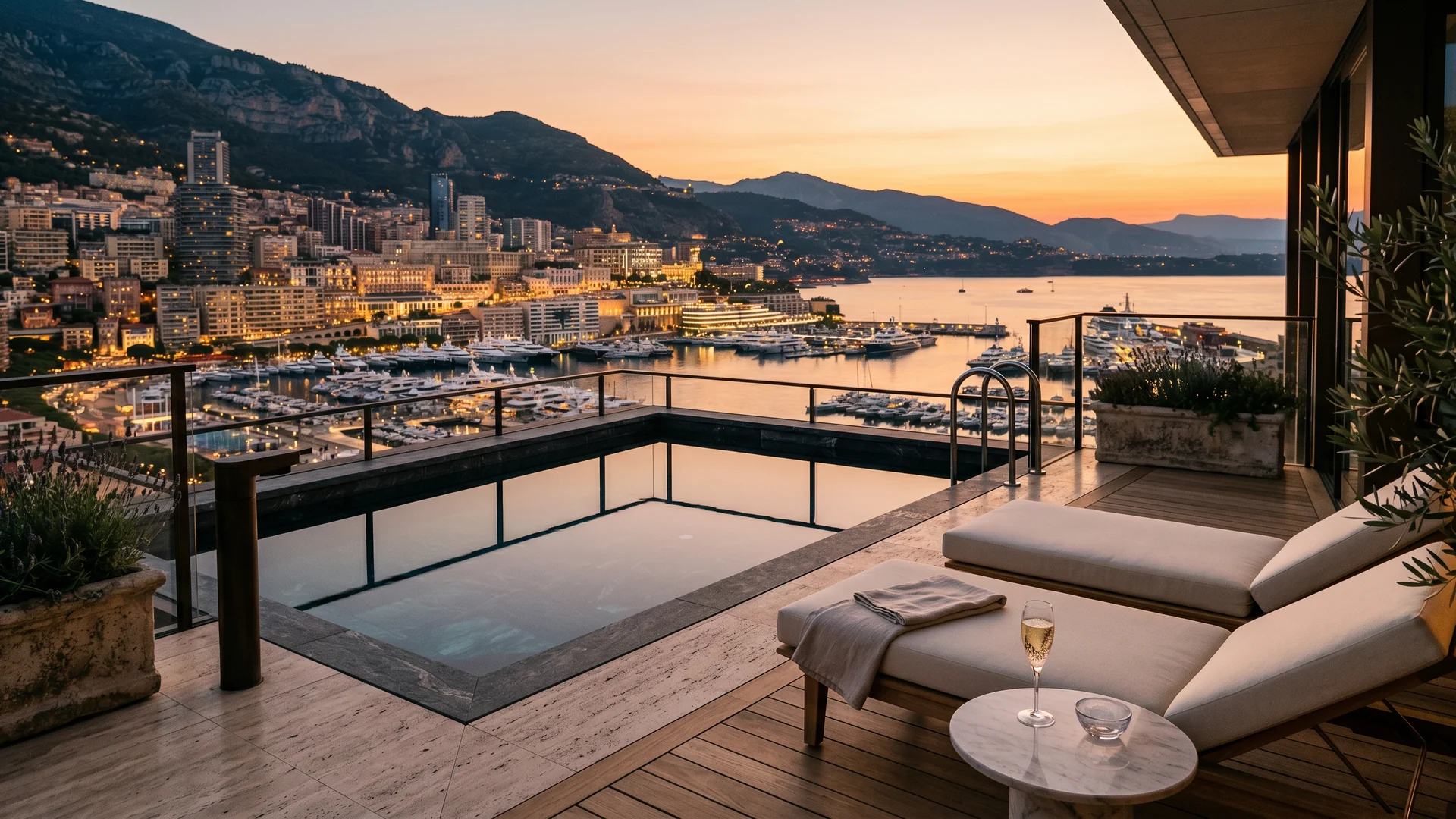
Monaco · 14 min
Monaco Property Investment
Monaco property investment guide: prices over €100,000/m², zero income tax, residency rules and 9-11% costs. Learn why it’s the ultimate capital…
Monaco · 8 min
The Impact of Home Office on Monaco’s Luxury Property Market
Monaco, a tiny principality nestled along the French Riviera, is synonymous with opulence and exclusivity. Known for its stunning Mediterranean coastl…
Monaco · 5 min
Attracting International Buyers for Your Property
In today’s interconnected world, the international real estate market has become a dynamic and multifaceted arena. Investors and buyers from var…