Dubai · 25.20°N 55.27°E · File 910
The Impact of New Construction Projects on Dubai’s Market
Dubai, a city that has rapidly transformed from a modest fishing village into a global metropolis, is renowned for its ambitious construction projects and architectural marvels. Ov…

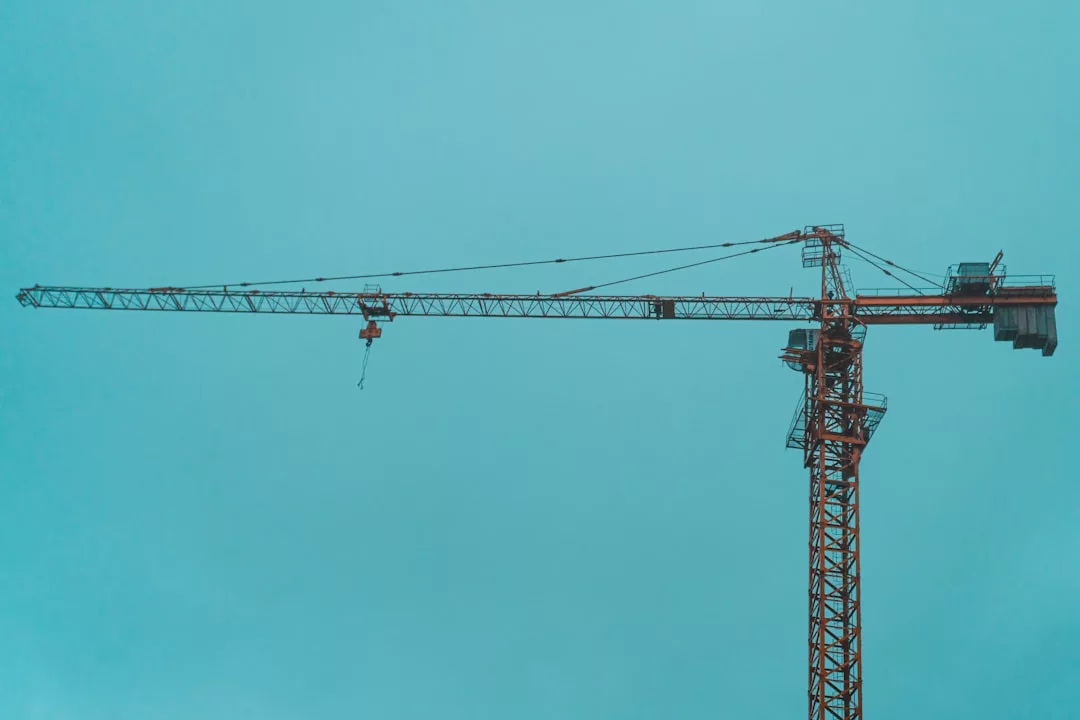

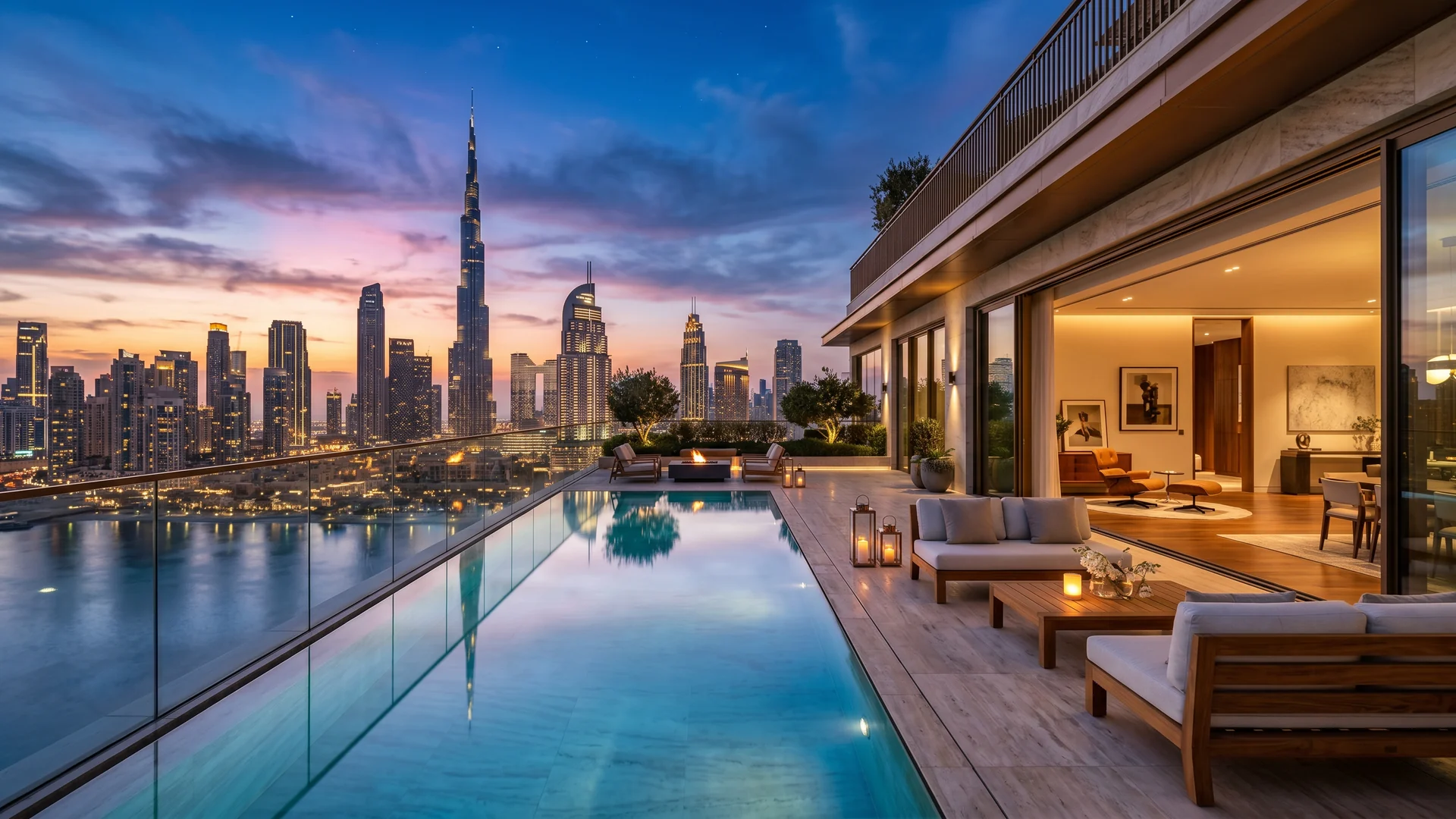
Dubai, a city that has rapidly transformed from a modest fishing village into a global metropolis, is renowned for its ambitious construction projects and architectural marvels. Over the past few decades, the skyline of Dubai has been punctuated by iconic structures such as the Burj Khalifa, the world’s tallest building, and the Palm Jumeirah, an artificial archipelago that has become synonymous with luxury and innovation. This construction boom is not merely a testament to the city’s wealth but also reflects its strategic vision to position itself as a leading hub for tourism, business, and culture in the Middle East and beyond.
The construction boom in Dubai is characterized by a relentless pursuit of modernity and excellence. The city has embraced cutting-edge technology and innovative design principles, resulting in structures that are not only visually stunning but also functional and sustainable. As Dubai continues to attract international investment and tourism, the demand for new developments remains high, fueling an ongoing cycle of construction that shapes the urban landscape.
This article delves into various aspects of Dubai’s construction boom, exploring its economic impact, housing market dynamics, infrastructure development, environmental considerations, job creation, challenges faced, and future growth potential.
Key Takeaways
- Dubai is experiencing a construction boom driven by ambitious development projects and infrastructure upgrades.
- The construction boom is contributing significantly to Dubai’s economy, attracting foreign investment and creating job opportunities.
- The housing market and real estate development are thriving, with a focus on luxury properties and innovative architectural designs.
- Infrastructure and urban development projects are transforming Dubai’s skyline and enhancing its connectivity and accessibility.
- Environmental and sustainability considerations are increasingly important in Dubai’s construction projects, with a focus on green building practices and energy efficiency.
- The construction boom is creating a surge in job opportunities across various sectors, from skilled labor to management positions.
- Challenges and risks associated with construction projects include cost overruns, delays, and potential impact on the environment and local communities.
- The future outlook for Dubai’s construction industry is promising, with continued growth potential and opportunities for innovation and development.
Economic Impact of New Construction Projects
Boosting GDP and Local Businesses
New construction projects have significantly contributed to the emirate’s GDP, bolstering sectors such as real estate, tourism, and hospitality. The influx of foreign investment into construction has not only stimulated local businesses but has also attracted global firms seeking to capitalize on Dubai’s strategic location and business-friendly environment.Fueling Economic Growth and Global Competitiveness
As a result, the construction sector has become a vital engine of economic growth, creating a ripple effect that benefits various industries. Moreover, the construction boom has positioned Dubai as a competitive player on the global stage. Major events such as Expo 2020 have catalyzed large-scale infrastructure projects, including the expansion of transportation networks and the development of state-of-the-art exhibition facilities.Long-term Benefits and Improved Quality of Life
These projects have not only enhanced the city’s appeal as a destination for international events but have also laid the groundwork for sustained economic growth in the years to come. The economic impact of these developments extends beyond immediate financial gains; they also foster long-term benefits by improving the overall quality of life for residents and visitors alike.Housing Market and Real Estate Development
The housing market in Dubai has experienced significant fluctuations in response to the ongoing construction boom. With a growing population and an influx of expatriates seeking residence in the city, there has been an increasing demand for diverse housing options. Developers have responded by launching a wide array of residential projects, ranging from luxury villas to affordable apartments, catering to various demographics and income levels.
This diversification in housing supply is crucial for maintaining a balanced real estate market that can accommodate both local residents and foreign investors. Real estate development in Dubai is not just about quantity; it also emphasizes quality and innovation. Many new residential projects incorporate smart home technologies and sustainable building practices, reflecting a shift towards environmentally conscious living.
Additionally, the government has implemented various initiatives to promote home ownership among residents, such as long-term visas for property investors and favorable mortgage regulations. These measures have further stimulated demand in the housing market, contributing to a dynamic real estate landscape that continues to evolve in response to market trends.

Infrastructure and Urban Development
Infrastructure development is at the heart of Dubai’s construction boom, with significant investments made in transportation, utilities, and public services. The city’s extensive road networks, metro systems, and airports have been expanded and modernized to accommodate the growing population and increasing tourist traffic. The Dubai Metro, for instance, is a marvel of engineering that connects key areas of the city while reducing traffic congestion and promoting sustainable transportation options.
Urban development in Dubai is characterized by meticulous planning and visionary design. The city has embraced mixed-use developments that integrate residential, commercial, and recreational spaces, creating vibrant communities that enhance the quality of life for residents. Projects like Downtown Dubai exemplify this approach, offering a blend of luxury living, shopping, dining, and entertainment options within a pedestrian-friendly environment.
As urbanization continues to shape Dubai’s landscape, the focus on creating livable spaces that prioritize accessibility and sustainability remains paramount.
Environmental and Sustainability Considerations
As Dubai’s construction boom accelerates, environmental sustainability has emerged as a critical consideration in urban planning and development. The government has recognized the importance of balancing economic growth with ecological responsibility, leading to initiatives aimed at reducing carbon footprints and promoting green building practices. Many new construction projects are designed with energy efficiency in mind, utilizing renewable energy sources and sustainable materials to minimize their environmental impact.
In addition to individual building projects, Dubai is also investing in large-scale sustainability initiatives. The Dubai Clean Energy Strategy 2050 aims to make the emirate a global center for clean energy and green economy practices. This ambitious plan includes increasing the share of clean energy in Dubai’s total energy mix to 75% by 2050.
By prioritizing sustainability in its construction practices, Dubai is setting an example for other cities around the world while ensuring that its rapid growth does not come at the expense of environmental health.
Job Creation and Employment Opportunities
The construction boom in Dubai has been a significant driver of job creation across various sectors. As new projects break ground, thousands of jobs are generated in construction-related fields such as engineering, architecture, project management, and skilled trades. This influx of employment opportunities has attracted a diverse workforce from around the globe, contributing to Dubai’s multicultural fabric. Increased demand for housing and commercial spaces leads to growth in ancillary industries such as retail, hospitality, and services. As new neighborhoods emerge and existing ones expand, businesses flourish, further enhancing employment prospects for residents.
Challenges and Risks Associated with Construction Projects
Despite the many benefits associated with Dubai’s construction boom, there are also challenges and risks that must be navigated. One significant concern is the potential for over-saturation in certain segments of the real estate market. Rapid development can lead to an oversupply of properties, which may result in declining property values and rental rates if demand does not keep pace with supply.
Developers must carefully assess market conditions to avoid pitfalls associated with speculative building. Additionally, construction projects often face logistical challenges related to labor shortages, rising material costs, and regulatory hurdles. The reliance on a diverse workforce can lead to vulnerabilities if there are shifts in immigration policies or labor market dynamics.
Furthermore, ensuring compliance with safety standards and environmental regulations is paramount; any lapses can result in costly delays or reputational damage for developers. Addressing these challenges requires proactive planning and collaboration among stakeholders to ensure that projects are completed on time and within budget.
Future Outlook and Potential for Growth
Looking ahead, Dubai’s construction boom shows no signs of abating. The emirate’s strategic vision for economic diversification continues to drive investment in infrastructure and real estate development. Upcoming events such as Expo 2025 are expected to further stimulate growth by attracting international attention and investment opportunities.
As Dubai positions itself as a global hub for innovation and tourism, new projects will likely emerge that push the boundaries of architectural design and urban planning. Moreover, as sustainability becomes increasingly important on a global scale, Dubai’s commitment to green building practices will likely enhance its appeal as an investment destination. The integration of smart technologies into urban development will also play a crucial role in shaping the future landscape of the city.
By embracing innovation while addressing environmental concerns, Dubai can continue to thrive as a model for modern urban development in an ever-evolving world. In conclusion, Dubai’s construction boom represents a remarkable journey of transformation fueled by ambition and vision. While challenges exist within this dynamic landscape, the potential for growth remains robust as the city continues to evolve into a global leader in architecture, sustainability, and economic development.
Same market
More from Dubai
Dubai · 14 min
Dubai Luxury Real Estate Guide
Dubai luxury real estate guide: 2025 prices for Palm Jumeirah, Emirates Hills and Downtown villas, zero-tax benefits, Golden Visa and the 2026 market …
Dubai · 6 min
The Impact of Expo City Proximity on Real Estate Market
Expo City, a vibrant hub of innovation and culture, has emerged as a focal point for global attention since the World Expo 2020 was held there. Locate…
Dubai · 6 min
Exclusive Gated Communities in Dubai: Privacy and Security
In recent years, Dubai has witnessed a remarkable transformation in its real estate landscape, particularly with the emergence of exclusive gated comm…