Monaco · 43.74°N 7.42°E · File 1036
The Impact of Luxury Real Estate Demand on Sales Process
The luxury real estate market has witnessed a remarkable surge in demand over the past decade, transforming the landscape of high-end property transactions. This segment of the rea…

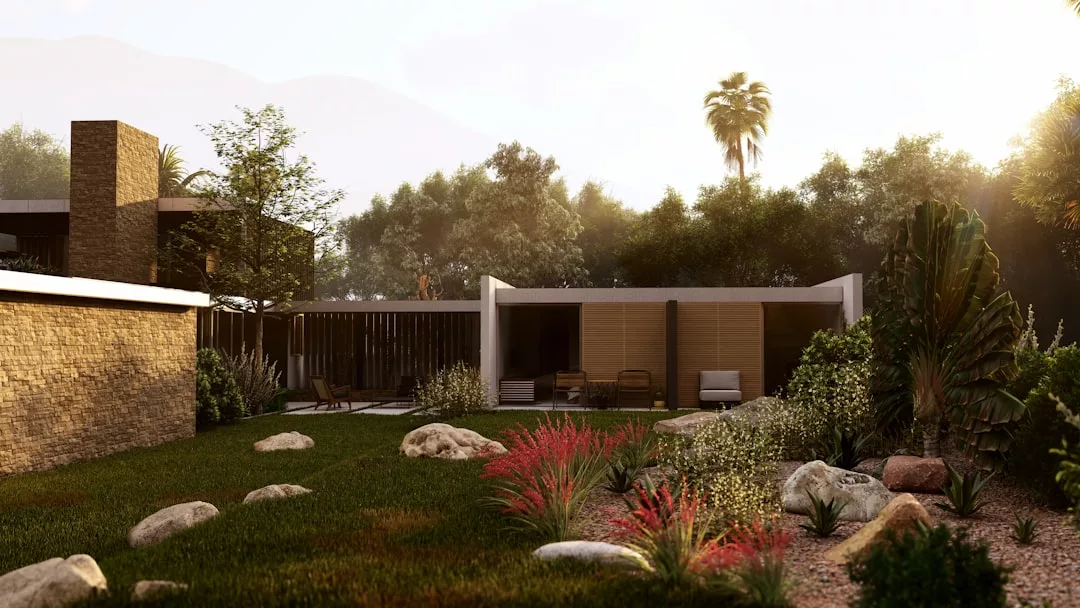

The luxury real estate market has witnessed a remarkable surge in demand over the past decade, transforming the landscape of high-end property transactions. This segment of the real estate industry is characterized by properties that offer not only opulence and exclusivity but also unique features that cater to affluent buyers. As global wealth continues to rise, particularly among high-net-worth individuals, the appetite for luxury homes has expanded beyond traditional markets.
Cities like Monaco, New York, London, and Dubai have become hotspots for luxury real estate, attracting buyers from around the world who seek not just a residence but a lifestyle. The allure of luxury real estate extends beyond mere aesthetics; it encompasses a sense of prestige and status that comes with owning a high-value property. Buyers are increasingly looking for homes that reflect their personal tastes and aspirations, often seeking properties that offer breathtaking views, state-of-the-art amenities, and prime locations.
As a result, the luxury real estate market has evolved into a dynamic arena where demand is driven by various factors, including economic conditions, cultural shifts, and technological advancements. Understanding these elements is crucial for stakeholders in the industry, from real estate agents to developers, as they navigate this competitive landscape.
Key Takeaways
- Introduction to Luxury Real Estate Demand:
- Luxury real estate demand is on the rise, driven by high-net-worth individuals seeking exclusive properties with unique features and amenities.
- Factors Driving Luxury Real Estate Demand:
- Factors such as global wealth growth, urbanization, and lifestyle preferences are driving the demand for luxury real estate, with a focus on privacy, security, and personalized experiences.
- Changes in Sales Process due to Luxury Real Estate Demand:
- The sales process for luxury real estate has evolved to include virtual tours, personalized property showings, and discreet off-market transactions to cater to the needs of high-profile buyers.
- Impact on Marketing Strategies for Luxury Real Estate:
- Marketing strategies for luxury real estate now emphasize exclusivity, storytelling, and digital presence to attract and engage affluent buyers in a competitive market.
- Influence on Pricing and Negotiation in Luxury Real Estate:
- Luxury real estate demand has led to increased pricing transparency, negotiation flexibility, and the need for specialized negotiation skills to meet the expectations of discerning buyers.
Factors Driving Luxury Real Estate Demand
Several key factors contribute to the growing demand for luxury real estate. One of the most significant drivers is the increase in global wealth, particularly among millennials and Generation
Another critical factor is the changing preferences of luxury buyers. Today’s affluent consumers are not just looking for lavish homes; they are also prioritizing sustainability and eco-friendliness in their purchasing decisions. Properties that incorporate green technologies, energy-efficient systems, and sustainable materials are increasingly appealing to buyers who wish to align their investments with their values.
Changes in Sales Process due to Luxury Real Estate Demand
The sales process for luxury real estate has undergone significant transformations in response to heightened demand. Traditional methods of selling high-end properties have evolved to incorporate more sophisticated strategies that cater to the unique needs of affluent buyers. For instance, personalized service has become paramount; real estate agents are now expected to provide tailored experiences that go beyond standard property showings. Moreover, technology has played a pivotal role in reshaping the sales process. Virtual reality (VR) and augmented reality (AR) tools have emerged as essential resources for showcasing luxury properties.
These technologies allow potential buyers to experience homes remotely, providing immersive tours that can highlight intricate details and spatial layouts without the need for physical visits. This shift not only enhances convenience for buyers but also expands the reach of sellers, enabling them to attract international clients who may be unable to travel for in-person viewings.
Impact on Marketing Strategies for Luxury Real Estate
As demand for luxury real estate continues to rise, marketing strategies have adapted to reflect the evolving preferences of affluent buyers. Traditional advertising methods have given way to more innovative approaches that leverage digital platforms and social media channels. High-quality visuals, including professional photography and drone footage, are now essential components of marketing campaigns aimed at showcasing luxury properties in their best light.
These visuals not only capture the essence of the home but also evoke an emotional response from potential buyers. In addition to visual content, storytelling has become a powerful tool in luxury real estate marketing. Agents and developers are increasingly crafting narratives around properties that highlight their unique histories, architectural significance, or connection to local culture.
By creating a compelling story around a property, marketers can engage potential buyers on a deeper level, making them more likely to envision themselves living in the space. Furthermore, influencer partnerships and collaborations with lifestyle brands have emerged as effective strategies for reaching affluent audiences who value authenticity and exclusivity.
Influence on Pricing and Negotiation in Luxury Real Estate
The Rise of Demand and Its Impact on Pricing
In the competitive luxury real estate market, rising demand has significantly influenced pricing dynamics. With multiple buyers vying for the same property, sellers are often in a position to set higher asking prices due to increased interest and limited inventory. However, pricing strategies must be carefully considered to reflect the unique attributes of the property and its location.Negotiation Tactics in Luxury Real Estate
Negotiation tactics have evolved in response to the changing market dynamics. Affluent buyers are becoming more strategic in their approach, willing to pay a premium for properties that meet their specific criteria or offer unique features. This willingness can lead to bidding wars, where multiple offers drive prices above asking levels.Understanding the Nuances of Luxury Real Estate Transactions
Conversely, buyers may also leverage their financial power to negotiate favorable terms or request additional concessions from sellers. Understanding these nuances is essential for both parties involved in luxury real estate transactions. A deep understanding of the market and its intricacies is crucial for successful transactions in this high-stakes environment.
Adaptations in Customer Service for Luxury Real Estate Clients
In the realm of luxury real estate, exceptional customer service is no longer just an added benefit; it is an expectation. As competition intensifies among agents and firms catering to high-end clients, providing personalized service has become a critical differentiator. Luxury real estate professionals must be adept at anticipating the needs and preferences of their clients while offering a seamless experience throughout the buying or selling process.
This heightened level of service often includes 24/7 availability, proactive communication, and a deep understanding of the local market dynamics. Agents are expected to be knowledgeable not only about properties but also about lifestyle amenities such as schools, dining options, and recreational activities in the area. Additionally, many luxury real estate firms are investing in concierge services that assist clients with various aspects of their move or property management, further enhancing the overall experience.
Challenges and Opportunities in Meeting Luxury Real Estate Demand
While the surge in luxury real estate demand presents numerous opportunities for agents and developers alike, it also comes with its share of challenges. One significant hurdle is navigating regulatory environments that can vary widely from one market to another. In some regions, foreign investment restrictions or zoning laws may limit the ability to develop new luxury properties or attract international buyers.
Staying informed about these regulations is crucial for stakeholders looking to capitalize on emerging trends. Another challenge lies in maintaining quality amidst rapid growth. As more players enter the luxury real estate market, ensuring that properties meet high standards becomes increasingly important.
Buyers are discerning; they expect not only exquisite design but also impeccable craftsmanship and attention to detail. For developers and agents alike, this means investing in quality materials and skilled labor while also fostering relationships with trusted contractors who can deliver on these expectations.
Future Trends in Luxury Real Estate Sales Process
Looking ahead, several trends are poised to shape the future of luxury real estate sales processes. One notable trend is the continued integration of technology into every aspect of property transactions. From blockchain technology facilitating secure transactions to artificial intelligence (AI) streamlining customer interactions, tech innovations will play an increasingly vital role in enhancing efficiency and transparency within the industry.
Additionally, sustainability will likely remain at the forefront of luxury real estate development and sales strategies. As environmental consciousness grows among consumers, properties that prioritize eco-friendly features will become more desirable. Developers who embrace sustainable practices will not only attract environmentally-minded buyers but also position themselves as leaders in an evolving market.
In conclusion, the demand for luxury real estate is driven by a complex interplay of factors ranging from economic trends to changing consumer preferences. As this market continues to evolve, stakeholders must adapt their strategies across sales processes, marketing efforts, pricing negotiations, customer service approaches, and more. By staying attuned to emerging trends and challenges within this dynamic landscape, those involved in luxury real estate can seize opportunities while delivering exceptional value to discerning clients.

Same market
More from Monaco
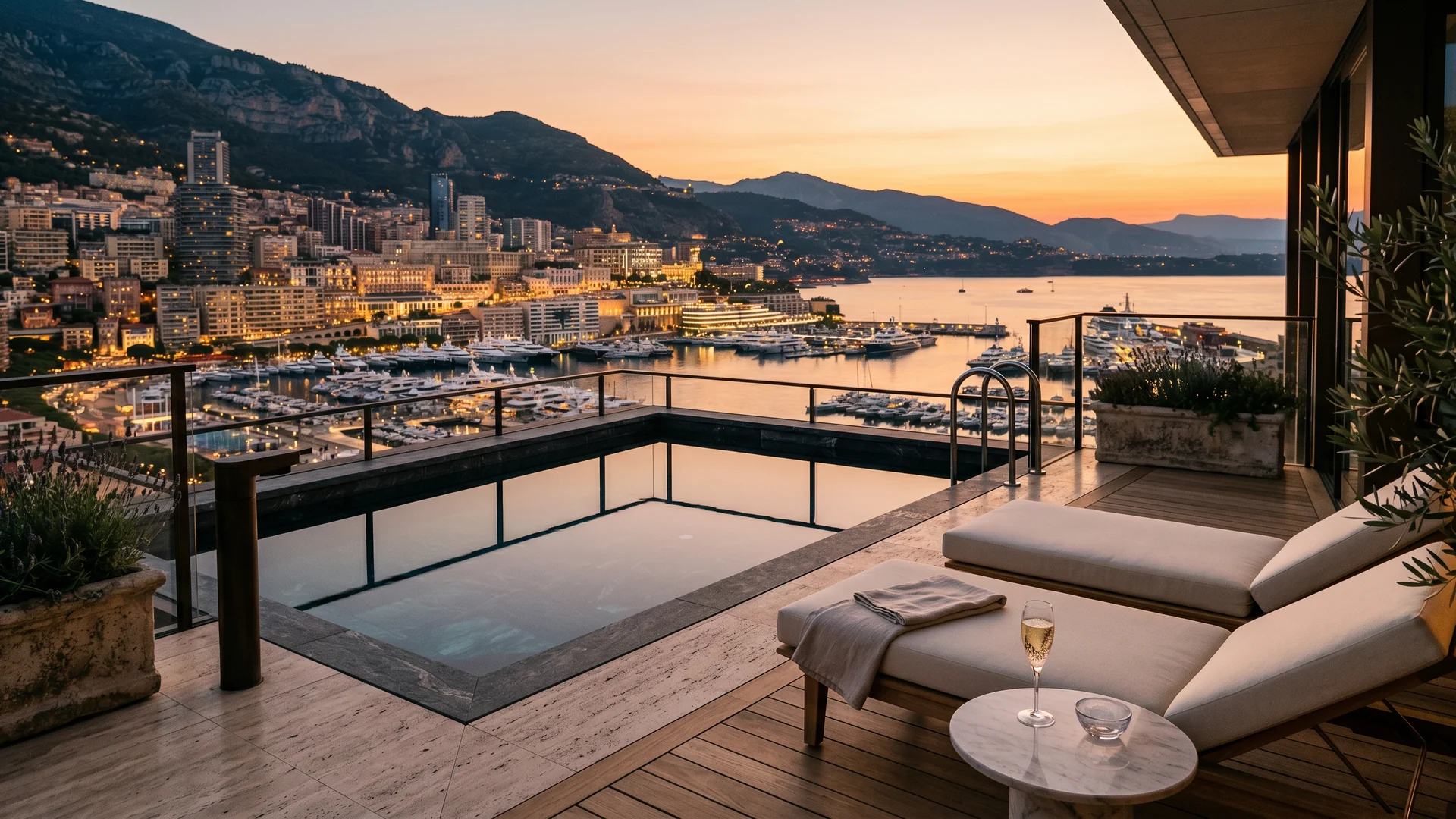
Monaco · 14 min
Monaco Property Investment
Monaco property investment guide: prices over €100,000/m², zero income tax, residency rules and 9-11% costs. Learn why it’s the ultimate capital…

Monaco · 8 min
The Impact of Home Office on Monaco’s Luxury Property Market
Monaco, a tiny principality nestled along the French Riviera, is synonymous with opulence and exclusivity. Known for its stunning Mediterranean coastl…

Monaco · 5 min
Attracting International Buyers for Your Property
In today’s interconnected world, the international real estate market has become a dynamic and multifaceted arena. Investors and buyers from var…