Dubai · 25.20°N 55.27°E · File 928
How Dubai’s Infrastructure Projects Boost Real Estate Market
Dubai, a city that has rapidly transformed from a modest fishing village into a global metropolis, is renowned for its ambitious infrastructure projects. The skyline is punctuated …

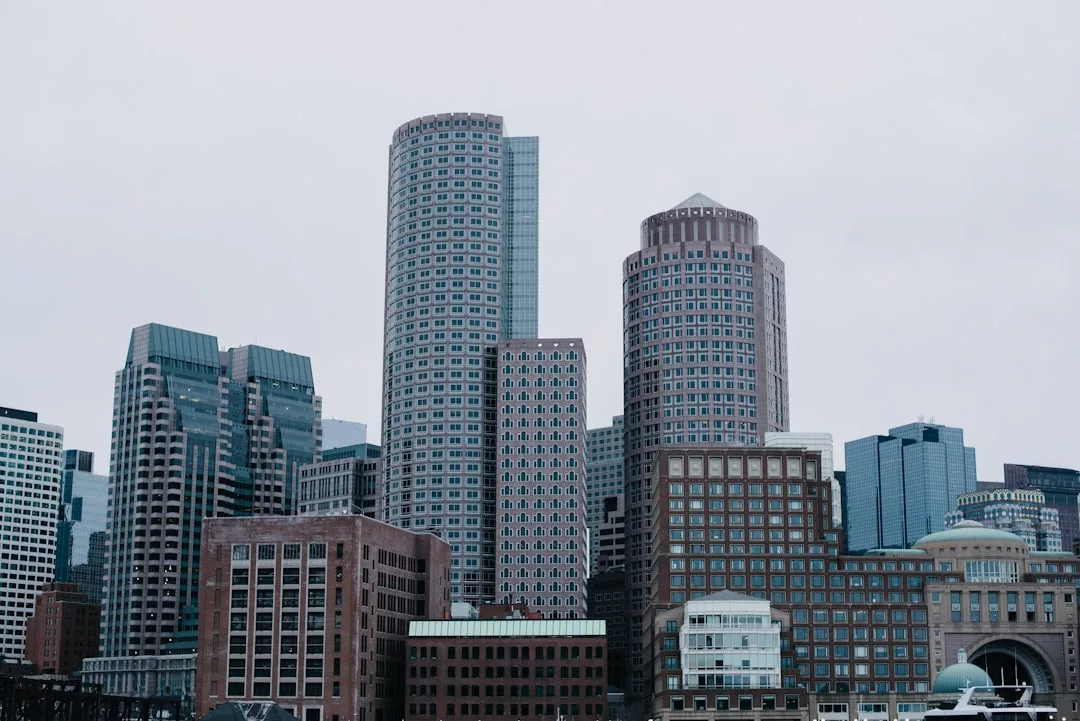

Dubai, a city that has rapidly transformed from a modest fishing village into a global metropolis, is renowned for its ambitious infrastructure projects. The skyline is punctuated by iconic structures such as the Burj Khalifa and the Palm Jumeirah, which serve as testaments to the city’s relentless pursuit of innovation and excellence. The government of Dubai has consistently prioritized infrastructure development as a means to bolster economic growth, attract foreign investment, and enhance the quality of life for its residents.
This commitment to infrastructure is not merely about constructing buildings and roads; it encompasses a broader vision of creating a sustainable urban environment that meets the needs of a diverse population. The strategic location of Dubai, positioned at the crossroads of Europe, Asia, and Africa, has further fueled its infrastructure ambitions. The city serves as a vital hub for trade, tourism, and finance, necessitating a robust infrastructure framework to support its burgeoning economy.
As Dubai continues to evolve, its infrastructure projects are designed not only to accommodate current demands but also to anticipate future growth. This forward-thinking approach has positioned Dubai as a model for urban development in the 21st century, attracting attention from cities around the world seeking to replicate its success.
Key Takeaways
- Dubai’s infrastructure projects have played a crucial role in shaping the city’s real estate market and overall development.
- The impact of infrastructure development on the real estate market in Dubai has been significant, leading to increased property values and demand.
- Key infrastructure projects in Dubai, such as the Dubai Metro, Dubai Water Canal, and Expo 2020 site, have contributed to the city’s growth and development.
- The integration of transportation systems and real estate development has led to the creation of vibrant and connected communities in Dubai.
- Technological advancements in infrastructure and real estate, such as smart city initiatives and digital platforms, have enhanced the overall living experience in Dubai.
Impact of Infrastructure Development on Real Estate Market
The relationship between infrastructure development and the real estate market in Dubai is profound and multifaceted. As new infrastructure projects are completed, they invariably lead to an increase in property values and demand for real estate.
This increased connectivity makes previously less desirable areas more attractive for both residential and commercial investments, driving up property prices and stimulating new developments. Moreover, infrastructure projects often serve as catalysts for urban regeneration. Areas that were once underdeveloped or overlooked can experience a renaissance when new facilities such as schools, hospitals, and shopping centers are introduced.
This revitalization not only enhances the quality of life for residents but also attracts businesses looking to capitalize on the growing population and improved amenities. Consequently, the real estate market in Dubai is not just influenced by supply and demand dynamics; it is intricately linked to the ongoing evolution of the city’s infrastructure landscape.
Key Infrastructure Projects in Dubai
Among the many ambitious infrastructure projects in Dubai, several stand out due to their scale and significance. The Dubai Creek Tower, set to surpass the Burj Khalifa in height, is one such project that aims to redefine the city’s skyline while serving as a focal point for tourism and commerce. Designed to be a mixed-use development, it will include observation decks, hotels, and retail spaces, further enhancing Dubai’s appeal as a global destination.
Another landmark project is the Expo 2020 site, which has been transformed into a vibrant hub for innovation and collaboration. The event showcased Dubai’s commitment to sustainability and technological advancement while providing a platform for countries around the world to share their visions for the future. Post-Expo, the site is expected to evolve into District 2020, a mixed-use community that will continue to foster innovation and entrepreneurship long after the event has concluded.

Integration of Transportation Systems and Real Estate Development
The integration of transportation systems with real estate development is a cornerstone of Dubai’s urban planning strategy. The city’s extensive public transport network, including buses, trams, and the metro system, is designed to facilitate seamless movement across various districts. This connectivity not only enhances mobility for residents but also significantly impacts real estate values in proximity to transit stations.
Developers are increasingly recognizing the importance of location in relation to transportation hubs. Properties situated near metro stations or major roadways tend to attract higher demand due to their accessibility. This trend has led to a surge in mixed-use developments that combine residential, commercial, and recreational spaces within close proximity to public transport options.
As a result, neighborhoods are becoming more vibrant and self-sufficient, reducing reliance on private vehicles and promoting sustainable living practices.
Technological Advancements in Infrastructure and Real Estate
Technological advancements play a pivotal role in shaping Dubai’s infrastructure and real estate sectors. The city has embraced smart technologies that enhance efficiency and sustainability across various projects. For instance, smart traffic management systems have been implemented to optimize traffic flow and reduce congestion on major roadways.
These innovations not only improve the commuting experience but also contribute to lower emissions and a cleaner environment. In addition to transportation technologies, advancements in construction methods are revolutionizing how buildings are designed and constructed in Dubai. The use of Building Information Modeling (BIM) allows for more efficient project management and collaboration among stakeholders.
This technology enables developers to visualize projects in 3D before construction begins, minimizing errors and reducing costs. As Dubai continues to invest in cutting-edge technologies, its real estate market is likely to benefit from increased efficiency and enhanced property offerings.

Sustainability and Green Initiatives in Infrastructure and Real Estate
Sustainable Infrastructure Development
The Dubai Clean Energy Strategy 2050 is a key initiative that aims to establish Dubai as a global hub for clean energy and green economy practices.Green Real Estate Development
In the real estate sector, developers are increasingly incorporating sustainable design principles into their projects. Green buildings equipped with energy-efficient systems, water conservation technologies, and sustainable materials are becoming a common feature of Dubai’s skyline. The LEED certification has become a sought-after mark of quality and commitment to sustainability.Enhancing Property Values
These green initiatives not only contribute to environmental preservation but also enhance property values by appealing to environmentally conscious buyers.Future Outlook for Dubai’s Real Estate Market
The future outlook for Dubai’s real estate market remains optimistic despite global economic uncertainties. The ongoing investment in infrastructure projects is expected to continue driving demand for residential and commercial properties. As new developments come online, they will likely attract both local and international investors seeking opportunities in this dynamic market.
Furthermore, with events like Expo 2020 showcasing Dubai’s capabilities on a global stage, there is potential for increased tourism and business activity in the years ahead. The city’s strategic initiatives aimed at diversifying its economy beyond oil dependency will also play a crucial role in sustaining growth within the real estate sector. As Dubai positions itself as a hub for innovation, technology, and sustainability, its real estate market is poised for continued expansion.
The Role of Infrastructure Projects in Dubai’s Real Estate Growth
In conclusion, infrastructure projects are integral to the growth and evolution of Dubai’s real estate market. They serve as catalysts for economic development, enhancing connectivity and accessibility while driving property values upward. The city’s commitment to integrating advanced technologies and sustainable practices into its infrastructure initiatives further solidifies its position as a leader in urban development.
As Dubai continues to invest in ambitious projects that redefine its landscape, the interplay between infrastructure development and real estate will remain a defining characteristic of its growth story. With an eye toward the future, Dubai is not only building structures but also creating an environment that fosters innovation, sustainability, and prosperity for generations to come.

Same market
More from Dubai
Dubai · 14 min
Dubai Luxury Real Estate Guide
Dubai luxury real estate guide: 2025 prices for Palm Jumeirah, Emirates Hills and Downtown villas, zero-tax benefits, Golden Visa and the 2026 market …
Dubai · 6 min
The Impact of Expo City Proximity on Real Estate Market
Expo City, a vibrant hub of innovation and culture, has emerged as a focal point for global attention since the World Expo 2020 was held there. Locate…
Dubai · 6 min
Exclusive Gated Communities in Dubai: Privacy and Security
In recent years, Dubai has witnessed a remarkable transformation in its real estate landscape, particularly with the emergence of exclusive gated comm…