Monaco · 43.74°N 7.42°E · File 334
Future Trends in Smart Home Technologies: Monaco’s Next Generation
Monaco, a small yet affluent city-state on the French Riviera, is renowned for its luxurious lifestyle, stunning architecture, and vibrant culture. As a hub of innovation and techn…



Monaco, a small yet affluent city-state on the French Riviera, is renowned for its luxurious lifestyle, stunning architecture, and vibrant culture. As a hub of innovation and technology, Monaco has embraced the concept of smart home technologies, which are transforming the way residents interact with their living spaces. These technologies encompass a wide range of devices and systems designed to enhance convenience, efficiency, and security within homes.
In a place where opulence meets cutting-edge advancements, smart home solutions are not just a trend but a necessity for many residents seeking to optimize their living environments. The adoption of smart home technologies in Monaco reflects the broader global movement towards digitization and automation. With a population that values both luxury and efficiency, the integration of smart devices into everyday life has become increasingly popular.
From automated lighting systems to advanced climate control, these technologies offer residents the ability to manage their homes with unprecedented ease. As Monaco continues to evolve as a modern metropolis, the implementation of smart home solutions is poised to play a significant role in shaping the future of urban living in this unique enclave.
Key Takeaways
- Smart home technologies are revolutionizing the way homes in Monaco are being designed and operated, offering convenience, efficiency, and security.
- Sustainable and energy-efficient solutions are being integrated into smart homes in Monaco, reducing environmental impact and lowering energy costs.
- Artificial intelligence and machine learning are being used to create smart homes that can learn and adapt to the needs and preferences of their occupants.
- Enhanced security and privacy measures are being implemented in smart homes in Monaco to protect against cyber threats and unauthorized access.
- Personalized and adaptive home automation systems are being developed to cater to the individual needs and lifestyles of Monaco residents.
Sustainable and Energy-Efficient Solutions
In recent years, sustainability has emerged as a critical concern for cities worldwide, and Monaco is no exception. The principality has made significant strides in promoting eco-friendly practices, and smart home technologies are at the forefront of this movement. Energy-efficient solutions such as smart thermostats, energy monitoring systems, and automated lighting not only reduce energy consumption but also contribute to lowering carbon footprints.
By utilizing these technologies, residents can monitor their energy usage in real-time, allowing them to make informed decisions about their consumption patterns. Moreover, Monaco’s commitment to sustainability is reflected in its ambitious goals for reducing greenhouse gas emissions.
For instance, solar panels integrated with smart home systems can provide renewable energy while allowing residents to track their energy production and consumption. This synergy between technology and sustainability not only enhances the quality of life for residents but also aligns with Monaco’s vision of becoming a greener city.
Integration of Artificial Intelligence and Machine Learning
Artificial intelligence (AI) and machine learning are revolutionizing various sectors, and the realm of smart homes is no exception. In Monaco, the integration of these advanced technologies into home automation systems is enhancing user experiences and providing unprecedented levels of personalization. AI algorithms can analyze data from various devices within a home, learning the habits and preferences of residents over time.
This capability allows for the creation of tailored environments that adapt to individual lifestyles. For example, AI-powered systems can adjust heating and cooling based on occupancy patterns or even suggest optimal lighting settings for different times of day. This level of customization not only improves comfort but also contributes to energy efficiency by ensuring that resources are used only when needed.
As Monaco continues to embrace technological advancements, the role of AI in smart home solutions will likely expand, offering residents even more sophisticated tools for managing their living spaces.
Enhanced Security and Privacy Measures
As smart home technologies become more prevalent in Monaco, concerns regarding security and privacy have also emerged. The interconnected nature of smart devices raises questions about data protection and potential vulnerabilities. However, advancements in security measures are keeping pace with these developments.
Many smart home systems now incorporate robust encryption protocols and multi-factor authentication to safeguard user data from unauthorized access. In addition to protecting personal information, smart home technologies also enhance physical security within residences. Smart locks, surveillance cameras, and alarm systems can be monitored and controlled remotely through mobile applications, providing homeowners with peace of mind whether they are at home or away.
In a city known for its affluence, these enhanced security features are particularly appealing to residents who prioritize safety without compromising on convenience.

Personalized and Adaptive Home Automation
One of the most compelling aspects of smart home technologies is their ability to create personalized living environments that adapt to individual preferences. In Monaco, where luxury is a way of life, homeowners are increasingly seeking automation solutions that cater specifically to their needs. Smart home systems can be programmed to respond to voice commands or mobile app inputs, allowing residents to control everything from lighting and temperature to entertainment systems with ease.
Moreover, adaptive automation goes beyond simple control; it anticipates user needs based on historical data and patterns. For instance, a smart home system might learn that a resident prefers cooler temperatures during the night or that they enjoy dimmed lights while watching movies. By adjusting settings automatically based on these preferences, smart home technologies create an environment that feels intuitive and personalized.
This level of customization not only enhances comfort but also fosters a deeper connection between residents and their living spaces.
The Rise of Voice-Activated Assistants
Voice-activated assistants have become ubiquitous in modern households, and Monaco is no exception to this trend. Devices such as Amazon Alexa, Google Assistant, and Apple’s Siri have revolutionized the way residents interact with their homes. These virtual assistants allow users to control various smart devices through simple voice commands, making home automation more accessible than ever before.
In a fast-paced environment like Monaco, where time is often of the essence, the convenience offered by voice-activated technology is particularly appealing. The integration of voice-activated assistants into smart home ecosystems also enhances the overall user experience by providing hands-free control over multiple devices simultaneously. For instance, a resident can ask their assistant to dim the lights while playing music or adjusting the thermostat—all without lifting a finger.
This seamless interaction not only simplifies daily routines but also adds an element of sophistication to home management. As voice technology continues to evolve, it is likely that its role in smart homes will expand further, offering even more capabilities for residents in Monaco.
Smart Home Connectivity and Interoperability
The effectiveness of smart home technologies largely depends on their ability to connect and communicate with one another seamlessly. In Monaco, where high-end living often includes multiple smart devices from various manufacturers, interoperability has become a crucial consideration for homeowners. The development of standardized protocols and platforms has made it easier for different devices to work together harmoniously, creating a cohesive smart home ecosystem.
Connectivity allows residents to control all aspects of their homes from a single interface or application, streamlining the user experience. For example, homeowners can manage lighting, security systems, climate control, and entertainment options through one centralized platform. This level of integration not only enhances convenience but also empowers residents to customize their environments according to their preferences easily.
As technology continues to advance, the focus on connectivity and interoperability will remain essential in ensuring that smart homes in Monaco function as cohesive units rather than isolated systems.
The Role of Smart Home Technologies in Monaco’s Urban Development
As Monaco continues its journey towards modernization and urban development, smart home technologies are playing an increasingly vital role in shaping the city’s future. The principality’s commitment to sustainability and innovation aligns perfectly with the capabilities offered by these advanced solutions. By integrating smart technologies into new residential developments and renovations, Monaco is setting a precedent for urban living that prioritizes efficiency, security, and quality of life.
Furthermore, the implementation of smart home technologies contributes to the overall enhancement of urban infrastructure. For instance, energy-efficient buildings equipped with smart systems can significantly reduce energy consumption across the city, aligning with Monaco’s environmental goals. Additionally, as more residents adopt these technologies, there is potential for creating a networked community where data sharing can lead to improved services and resource management at the municipal level.
In conclusion, the rise of smart home technologies in Monaco represents a convergence of luxury living and cutting-edge innovation. From sustainable solutions to enhanced security measures and personalized automation experiences, these advancements are transforming how residents interact with their homes. As Monaco continues to embrace this technological evolution, it sets an example for other urban centers striving for modernization while maintaining a commitment to sustainability and quality living standards.

Same market
More from Monaco
Monaco · 14 min
Monaco Property Investment
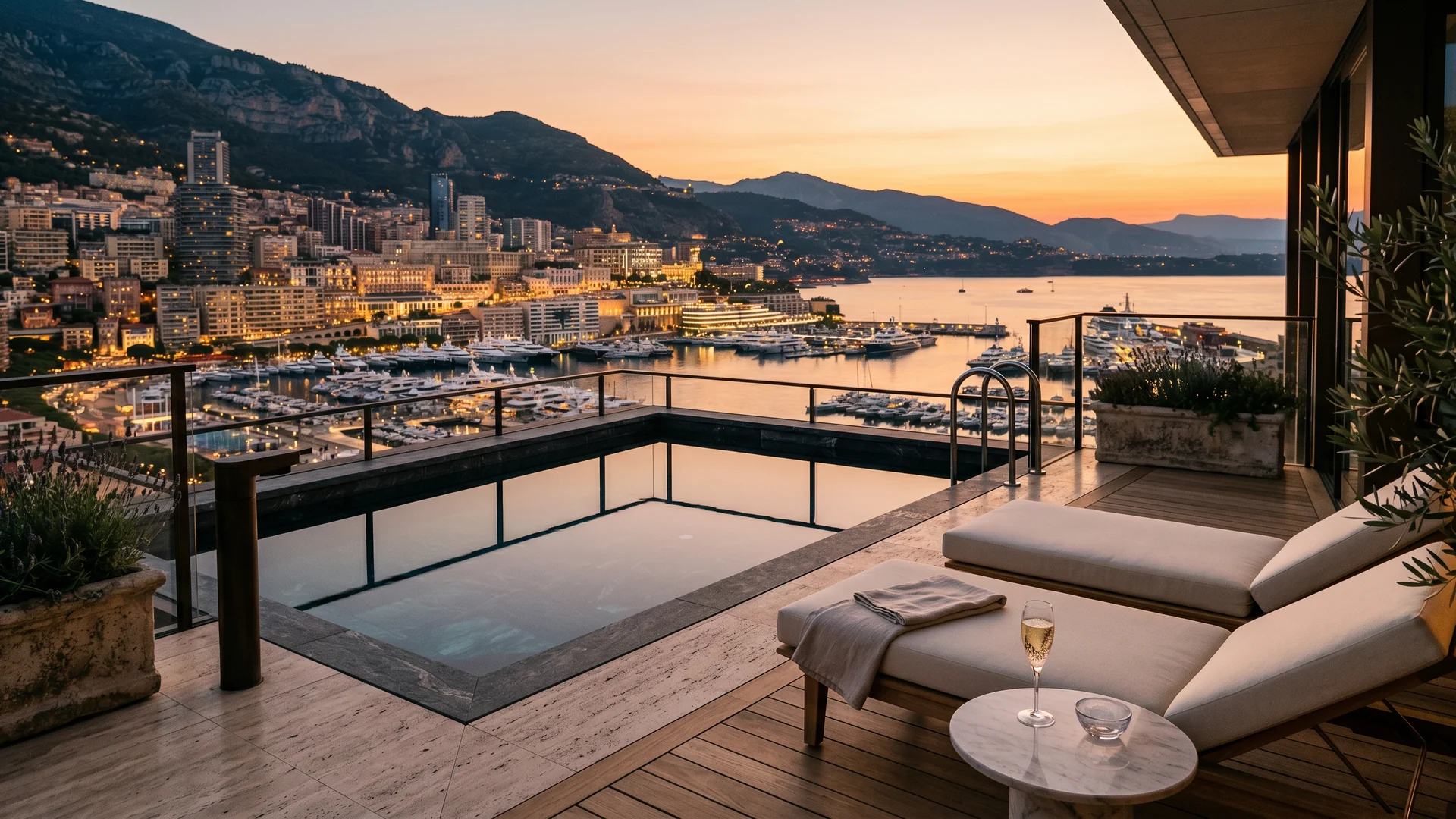
Monaco property investment guide: prices over €100,000/m², zero income tax, residency rules and 9-11% costs. Learn why it’s the ultimate capital…
Monaco · 8 min
The Impact of Home Office on Monaco’s Luxury Property Market
Monaco, a tiny principality nestled along the French Riviera, is synonymous with opulence and exclusivity. Known for its stunning Mediterranean coastl…
Monaco · 5 min
Attracting International Buyers for Your Property
In today’s interconnected world, the international real estate market has become a dynamic and multifaceted arena. Investors and buyers from var…