Dubai · 25.20°N 55.27°E · File 902
Exciting New Construction Projects in Dubai 2024
Dubai, a city that has rapidly transformed from a modest fishing village into a global metropolis, is renowned for its ambitious construction projects and architectural marvels. Ov…
Dubai, a city that has rapidly transformed from a modest fishing village into a global metropolis, is renowned for its ambitious construction projects and architectural marvels. Over the past few decades, the emirate has experienced an unprecedented construction boom, driven by a combination of visionary leadership, strategic economic planning, and a desire to position itself as a leading hub for tourism, business, and innovation.
The construction boom in Dubai can be attributed to several factors, including its strategic location at the crossroads of Europe, Asia, and Africa, which makes it an ideal gateway for international trade and tourism. The government has invested heavily in infrastructure, creating a conducive environment for foreign investment and attracting global talent. As a result, Dubai has become synonymous with luxury, innovation, and modernity, drawing millions of visitors each year who come to experience its unique blend of tradition and futurism.
The city’s ambitious projects reflect its aspirations to be a leader in various sectors, including tourism, finance, and technology.
Key Takeaways
- Dubai’s construction boom has transformed the city into a global hub for innovative and luxurious developments.
- Iconic skyscrapers and landmarks like the Burj Khalifa and the Palm Jumeirah showcase Dubai’s architectural prowess.
- The city is committed to sustainable and eco-friendly developments, with projects like the Sustainable City and Dubai Creek Harbour leading the way.
- Innovative infrastructure and transportation projects, such as the Dubai Metro and the Dubai Water Canal, have revolutionized the city’s connectivity and accessibility.
- Luxurious residential and commercial developments, along with entertainment and leisure destinations, have elevated Dubai’s status as a premier destination for living and leisure.
Iconic Skyscrapers and Landmarks
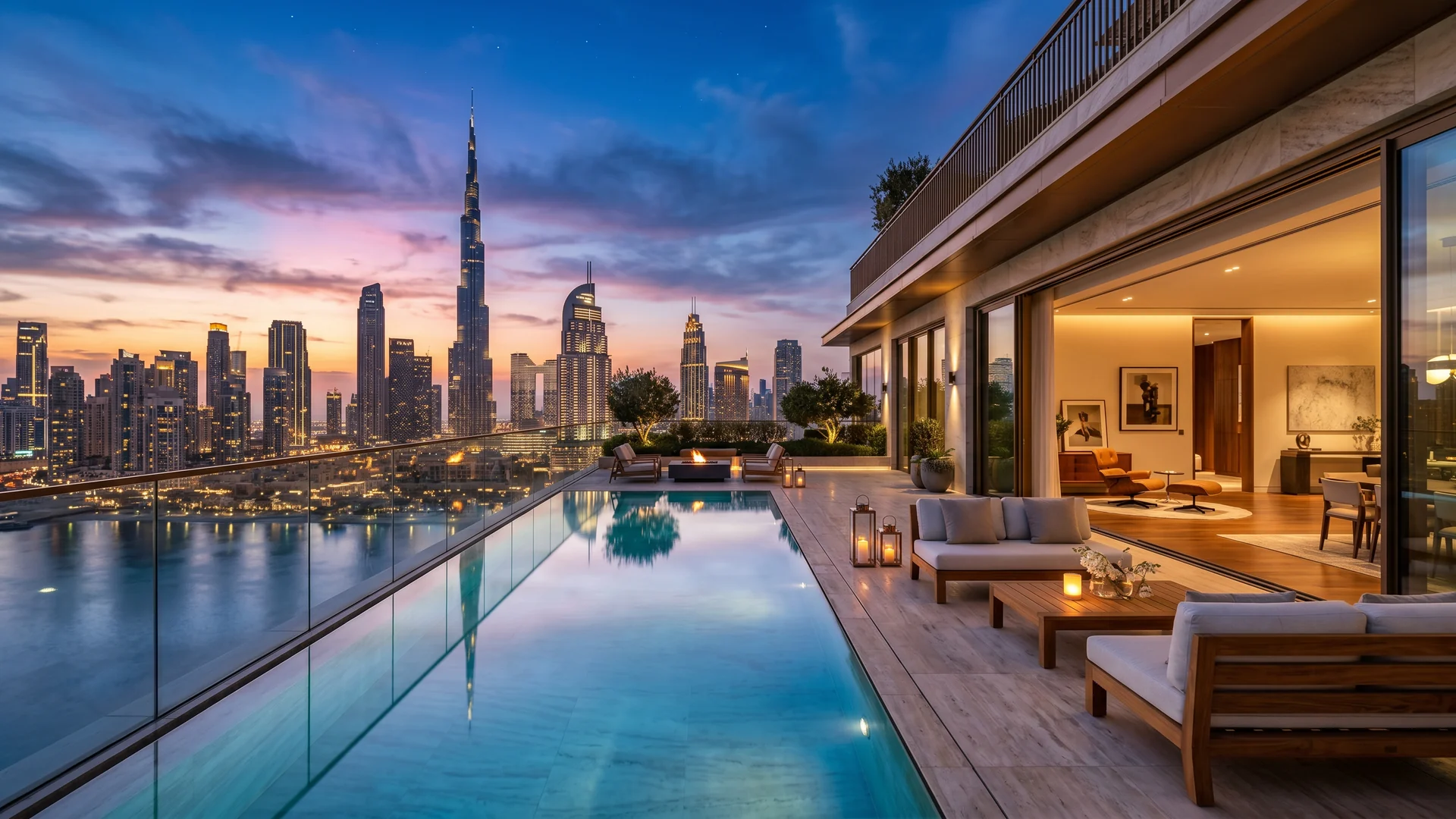
One of the most striking features of Dubai’s skyline is its collection of iconic skyscrapers and landmarks that have become symbols of the city’s rapid development. The Burj Khalifa, standing at an astonishing 828 meters, is not only the tallest building in the world but also a testament to human ingenuity and architectural prowess. Completed in 2010, this magnificent structure attracts millions of visitors who flock to its observation decks for breathtaking views of the city and beyond.
The Burj Khalifa is more than just a skyscraper; it represents Dubai’s ambition to reach new heights—both literally and metaphorically. In addition to the Burj Khalifa, other notable structures such as the Burj Al Arab, often referred to as the world’s only seven-star hotel, and the twisting Cactus Tower showcase Dubai’s commitment to innovative design. The Palm Jumeirah, an artificial archipelago shaped like a palm tree, is another remarkable feat of engineering that has become a sought-after destination for luxury living and leisure.
These landmarks not only enhance the aesthetic appeal of the city but also serve as focal points for tourism and economic activity, further solidifying Dubai’s status as a global city.
Sustainable and Eco-Friendly Developments
As Dubai continues to grow, there is an increasing emphasis on sustainability and eco-friendly developments. The government has recognized the importance of balancing rapid urbanization with environmental responsibility. Initiatives such as the Dubai Clean Energy Strategy 2050 aim to make Dubai a global center for clean energy and green economy.
This vision is reflected in various construction projects that prioritize sustainability through innovative design and technology. One notable example is the Sustainable City, a pioneering development that integrates eco-friendly practices into everyday living. This community features solar-powered homes, electric vehicle charging stations, and green spaces that promote biodiversity.
The Sustainable City serves as a model for future developments in Dubai and beyond, demonstrating that luxury and sustainability can coexist harmoniously. By investing in green technologies and sustainable practices, Dubai is not only addressing environmental concerns but also setting a precedent for other cities around the world.
Innovative Infrastructure and Transportation Projects
Dubai’s construction boom is not limited to skyscrapers and residential developments; it also encompasses innovative infrastructure and transportation projects that enhance connectivity and accessibility. The city has made significant investments in its public transportation system, including the Dubai Metro, which is one of the longest automated metro networks in the world. This efficient mode of transport has revolutionized commuting in the city, reducing traffic congestion and promoting sustainable travel options.
In addition to the metro system, Dubai is also developing an extensive network of roads, bridges, and tunnels to accommodate its growing population and increasing number of visitors. The introduction of smart traffic management systems aims to optimize traffic flow and reduce travel times. Furthermore, ambitious projects like the Hyperloop—a proposed high-speed transportation system—highlight Dubai’s commitment to embracing cutting-edge technology to improve mobility.
These infrastructure developments not only facilitate ease of movement but also contribute to the overall economic growth of the emirate.
Luxurious Residential and Commercial Developments
The luxurious residential and commercial developments in Dubai are a reflection of the city’s opulence and desire to cater to a high-end market. From lavish villas in gated communities to upscale apartments with stunning views of the Arabian Gulf, Dubai offers a diverse range of living options that appeal to affluent residents and expatriates alike. Developments such as Emaar’s Downtown Dubai and Nakheel’s Palm Jumeirah feature world-class amenities, including private beaches, infinity pools, and exclusive clubs.
Commercial developments in Dubai are equally impressive, with state-of-the-art office spaces designed to meet the needs of multinational corporations and startups alike. The Dubai International Financial Centre (DIFC) stands out as a leading financial hub in the region, attracting businesses from around the globe with its modern infrastructure and regulatory framework. These luxurious residential and commercial projects not only enhance the quality of life for residents but also contribute significantly to Dubai’s economy by attracting foreign investment and fostering entrepreneurship.

Entertainment and Leisure Destinations
Dubai is not just about business; it is also a premier destination for entertainment and leisure activities. The city boasts an array of attractions that cater to diverse interests, from shopping malls like The Dubai Mall—one of the largest in the world—to theme parks such as IMG Worlds of Adventure. These entertainment hubs provide visitors with unique experiences that blend luxury with excitement.
Moreover, Dubai’s coastline offers pristine beaches and water sports activities that attract both locals and tourists seeking relaxation or adventure. The city hosts numerous events throughout the year, including music festivals, art exhibitions, and sporting events like the Dubai World Cup horse race. These leisure destinations contribute significantly to Dubai’s tourism sector while enhancing its reputation as a vibrant city that offers something for everyone.
Cultural and Historical Preservation Projects
While Dubai is often associated with modernity and innovation, there is also a strong commitment to preserving its cultural heritage and history. Projects aimed at restoring historical sites and promoting traditional arts are integral to maintaining the emirate’s identity amidst rapid development. The Al Fahidi Historical Neighborhood is one such project that showcases traditional Emirati architecture and offers visitors a glimpse into the city’s past.
Cultural institutions like the Dubai Museum play a vital role in educating residents and tourists about the rich history of the region. Additionally, initiatives such as the Dubai Culture & Arts Authority aim to promote local artists and cultural events that celebrate Emirati heritage. By investing in cultural preservation projects, Dubai acknowledges its roots while embracing modernity—a balance that is essential for fostering a sense of community and belonging among its diverse population.
Future Outlook for Dubai’s Construction Industry
Looking ahead, the future outlook for Dubai’s construction industry remains optimistic despite global economic challenges. The emirate continues to attract foreign investment due to its strategic location, business-friendly environment, and commitment to innovation. Upcoming events such as Expo 2025 are expected to further stimulate growth in various sectors, including construction.
Moreover, as sustainability becomes increasingly important on a global scale, Dubai’s focus on eco-friendly developments will likely position it as a leader in green construction practices. The integration of smart technologies into building designs will also play a crucial role in shaping the future landscape of the city. As Dubai continues to evolve, its construction industry will remain at the forefront of architectural innovation while balancing economic growth with environmental responsibility.
In conclusion, Dubai’s construction boom has transformed it into a global icon characterized by iconic skyscrapers, luxurious developments, innovative infrastructure, and cultural preservation efforts.

◦ Off-market questions
Which developers and communities define Dubai's luxury residential market?
Emaar's Downtown Dubai and Nakheel's Palm Jumeirah are among the standout schemes, offering villas and upscale apartments with amenities such as private beaches, infinity pools and exclusive clubs. On the commercial side, the Dubai International Financial Centre (DIFC) anchors the business district, drawing multinational firms with its modern infrastructure and regulatory framework.
How is Dubai addressing sustainability in its new construction?
Through the Dubai Clean Energy Strategy 2050, which aims to make the emirate a hub for clean energy and a green economy. The flagship Sustainable City integrates solar-powered homes, electric-vehicle charging and biodiverse green spaces, demonstrating that luxury and sustainability can coexist. Eco-friendly design is increasingly shaping the city's future developments.
What upcoming projects and events are expected to spur further growth?
Expo 2025 is anticipated to stimulate activity across construction and other sectors. Alongside it, Dubai keeps investing in infrastructure, from its extensive automated Metro to proposed high-speed systems such as the Hyperloop, and in smart-technology building design. This pipeline, backed by continued foreign investment, keeps the construction outlook optimistic.
Same market
More from Dubai
Dubai · 14 min
Dubai Luxury Real Estate Guide
Dubai luxury real estate guide: 2025 prices for Palm Jumeirah, Emirates Hills and Downtown villas, zero-tax benefits, Golden Visa and the 2026 market …
Dubai · 6 min
The Impact of Expo City Proximity on Real Estate Market
Expo City, a vibrant hub of innovation and culture, has emerged as a focal point for global attention since the World Expo 2020 was held there. Locate…
Dubai · 6 min
Exclusive Gated Communities in Dubai: Privacy and Security
In recent years, Dubai has witnessed a remarkable transformation in its real estate landscape, particularly with the emergence of exclusive gated comm…