Dubai · 25.20°N 55.27°E · File 850
The Evolution of Investment Prices in Dubai
Dubai’s transformation from a modest fishing village into a global investment hub is a remarkable tale of vision, ambition, and strategic planning. In the early 20th century,…
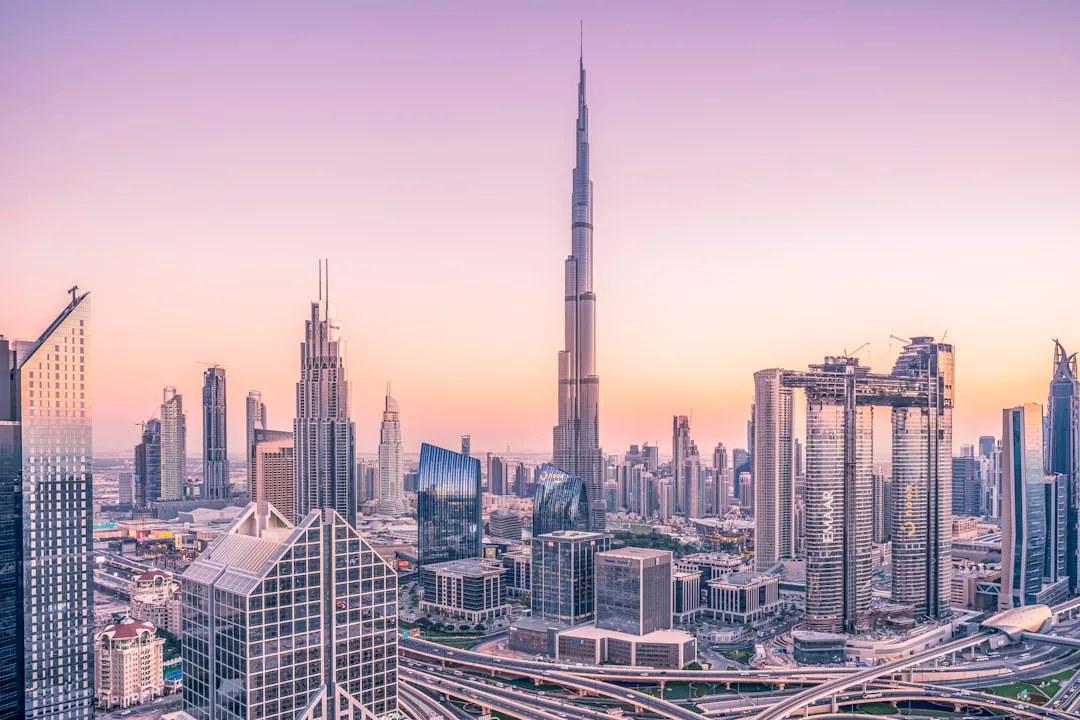

Dubai’s transformation from a modest fishing village into a global investment hub is a remarkable tale of vision, ambition, and strategic planning. In the early 20th century, the emirate was primarily known for its pearl diving and trade activities. However, the discovery of oil in the 1960s marked a pivotal turning point in its economic trajectory.
The influx of oil revenues allowed the ruling Al Maktoum family to invest heavily in infrastructure, education, and healthcare, laying the groundwork for a diversified economy. By the late 20th century, Dubai had begun to position itself as a regional business center, attracting foreign investment and talent. The establishment of free zones, such as the Jebel Ali Free Zone in 1985, further solidified Dubai’s status as an investment haven.
These zones offered tax incentives, 100% foreign ownership, and minimal bureaucratic hurdles, making it an attractive destination for international businesses. The emirate’s strategic location between Europe, Asia, and Africa also played a crucial role in its rise as a logistics and trade hub. As a result, Dubai began to attract multinational corporations and entrepreneurs seeking to capitalize on its favorable business environment.
This early groundwork set the stage for the explosive growth that would follow in the years to come.
Key Takeaways
- Dubai emerged as an investment hub due to its strategic location, business-friendly policies, and infrastructure development.
- The global financial crisis had a significant impact on Dubai’s investment prices, leading to a sharp decline in property values and a slowdown in economic growth.
- Despite the challenges, Dubai demonstrated resilience and recovery, with the government implementing measures to stabilize the economy and attract investment.
- Government policies played a crucial role in shaping investment prices in Dubai, with initiatives such as foreign ownership laws and tax incentives driving investment growth.
- Global economic trends, such as oil prices and geopolitical events, have a direct influence on investment prices in Dubai, creating both opportunities and challenges for investors.
- Real estate investment dominates the Dubai market, with property prices and rental yields being key indicators of investment performance.
- New investment opportunities are emerging in Dubai, including sectors such as technology, renewable energy, and tourism, diversifying the investment landscape.
- The future of investment prices in Dubai is influenced by trends such as sustainable development, digital innovation, and the shift towards a knowledge-based economy, presenting opportunities for growth and diversification.
Boom and Bust: The Impact of the Global Financial Crisis on Dubai’s Investment Prices
The global financial crisis of 2008 sent shockwaves through economies worldwide, and Dubai was no exception. The emirate had experienced a real estate boom in the years leading up to the crisis, with property prices soaring to unprecedented heights. However, as the global economy faltered, so too did investor confidence in Dubai’s real estate market.
Property prices plummeted by nearly 50% in some areas, leaving many investors and developers in precarious positions. The once-thriving construction sector faced significant challenges, with numerous projects halted or canceled altogether. The impact of the financial crisis extended beyond just real estate; it affected various sectors of Dubai’s economy.
The emirate’s reliance on foreign investment made it particularly vulnerable to global economic fluctuations. The government was forced to intervene, providing financial support to key industries and implementing measures to stabilize the market.
This period of uncertainty tested Dubai’s resilience and adaptability as it sought to navigate the turbulent waters of a global recession.
Recovery and Growth: Dubai’s Resilience in the Face of Adversity
Despite the challenges posed by the financial crisis, Dubai demonstrated remarkable resilience in its recovery efforts. The government implemented a series of strategic initiatives aimed at revitalizing the economy and restoring investor confidence. One of the key measures was the introduction of regulatory reforms designed to enhance transparency and protect investors’ rights.
These reforms helped to rebuild trust in the real estate market and encouraged both local and foreign investors to re-enter the market. In addition to regulatory changes, Dubai diversified its economy further by investing in sectors such as tourism, technology, and renewable energy. The emirate’s ambitious vision for Expo 2020 served as a catalyst for growth, attracting millions of visitors and showcasing Dubai’s capabilities on a global stage.
As a result, by 2013, property prices began to recover, signaling a renewed interest in investment opportunities within the emirate. This recovery was not just limited to real estate; it extended to various sectors, reinforcing Dubai’s position as a resilient economic powerhouse.
The Role of Government Policies in Shaping Investment Prices in Dubai
Government policies have played a pivotal role in shaping investment prices in Dubai over the years. The emirate’s leadership has consistently prioritized economic diversification and sustainability, recognizing that reliance on oil revenues is not a sustainable long-term strategy. As such, policies have been implemented to encourage foreign direct investment (FDI) across various sectors.
Initiatives such as the Dubai Investment Development Agency (Dubai FDI) have been instrumental in promoting investment opportunities and facilitating business operations for foreign investors. Moreover, the introduction of long-term residency visas for expatriates has further enhanced Dubai’s appeal as an investment destination. By allowing foreign nationals to reside in the emirate for extended periods, these policies have fostered a sense of stability and security among investors.
Additionally, the government’s commitment to developing world-class infrastructure has created an environment conducive to business growth. From state-of-the-art transportation networks to cutting-edge technology parks, these investments have significantly influenced property values and overall investment prices in Dubai.
The Influence of Global Economic Trends on Dubai’s Investment Prices
Dubai’s investment prices are intricately linked to global economic trends, making it susceptible to fluctuations in international markets. As a major trading hub, changes in global demand for goods and services can directly impact Dubai’s economy. For instance, shifts in oil prices can have far-reaching consequences for the emirate’s revenue streams and overall economic health.
When oil prices rise, it often leads to increased government spending on infrastructure projects and social services, which can drive up property values. Conversely, during periods of global economic downturns or uncertainty, investor sentiment may wane, leading to decreased demand for real estate and other investments in Dubai. The COVID-19 pandemic serves as a recent example of how global events can influence local markets.
The initial lockdowns and travel restrictions resulted in a temporary decline in tourism and business activity, causing property prices to dip once again. However, as global economies began to recover and travel resumed, Dubai quickly adapted by promoting its safety measures and unique offerings, demonstrating its ability to rebound from external shocks.

The Rise of Real Estate: The Dominance of Property Investment in Dubai
Real estate has emerged as one of the most dominant sectors for investment in Dubai, attracting both local and international investors alike. The allure of luxury properties, coupled with favorable market conditions, has made Dubai a hotspot for real estate investment. Iconic developments such as Burj Khalifa and Palm Jumeirah have not only become symbols of architectural innovation but also lucrative investment opportunities for those looking to capitalize on the emirate’s growth.
The rental market has also flourished due to an influx of expatriates seeking housing options in this vibrant city. With a diverse population and a steady stream of new residents drawn by job opportunities and lifestyle offerings, demand for rental properties remains robust. This dynamic has contributed to rising rental yields and property values over time.
Furthermore, government initiatives aimed at enhancing transparency in real estate transactions have bolstered investor confidence, making property investment an attractive option for those looking to diversify their portfolios.
The Emergence of New Investment Opportunities in Dubai
While real estate continues to dominate investment landscapes in Dubai, new opportunities are emerging across various sectors that reflect changing consumer preferences and technological advancements. The rise of fintech has led to increased interest in digital banking solutions and innovative financial services within the emirate. Startups focusing on blockchain technology and cryptocurrency are gaining traction as Dubai positions itself as a regional hub for tech innovation.
Additionally, sustainability has become a focal point for investors seeking environmentally responsible opportunities. The government’s commitment to green initiatives has spurred growth in renewable energy projects and sustainable infrastructure developments. Investors are increasingly looking at sectors such as electric mobility, waste management solutions, and eco-friendly construction practices as viable avenues for investment.
This diversification not only enhances economic resilience but also aligns with global trends toward sustainability.
The Future of Investment Prices in Dubai: Trends and Forecasts
Looking ahead, the future of investment prices in Dubai appears promising yet complex due to various influencing factors. As the emirate continues its journey toward economic diversification and sustainability, property prices are expected to stabilize while new sectors gain prominence. Analysts predict that demand for residential properties will remain strong due to ongoing population growth and urbanization trends.
Moreover, with Expo 2020 having showcased Dubai’s capabilities on an international stage, there is optimism about increased foreign direct investment flowing into various sectors beyond real estate. As global economic conditions improve post-pandemic, investor confidence is likely to rebound further, driving up demand for diverse investment opportunities within the emirate. In conclusion, while challenges remain on the horizon—such as geopolitical tensions or shifts in global economic dynamics—Dubai’s adaptability and strategic foresight position it well for continued growth.
As new trends emerge and opportunities arise across different sectors, investors will need to stay attuned to market developments while leveraging Dubai’s unique advantages as they navigate this dynamic landscape.

Same market
More from Dubai
Dubai · 14 min
Dubai Luxury Real Estate Guide
Dubai luxury real estate guide: 2025 prices for Palm Jumeirah, Emirates Hills and Downtown villas, zero-tax benefits, Golden Visa and the 2026 market …
Dubai · 6 min
The Impact of Expo City Proximity on Real Estate Market
Expo City, a vibrant hub of innovation and culture, has emerged as a focal point for global attention since the World Expo 2020 was held there. Locate…
Dubai · 6 min
Exclusive Gated Communities in Dubai: Privacy and Security
In recent years, Dubai has witnessed a remarkable transformation in its real estate landscape, particularly with the emergence of exclusive gated comm…