Copenhagen · 55.68°N 12.57°E · File 3258
The Appeal of Sustainable and Modern Apartments in Copenhagen
Copenhagen has emerged as a global leader in sustainable living, setting a benchmark for cities worldwide. The Danish capital’s commitment to environmental responsibility is …

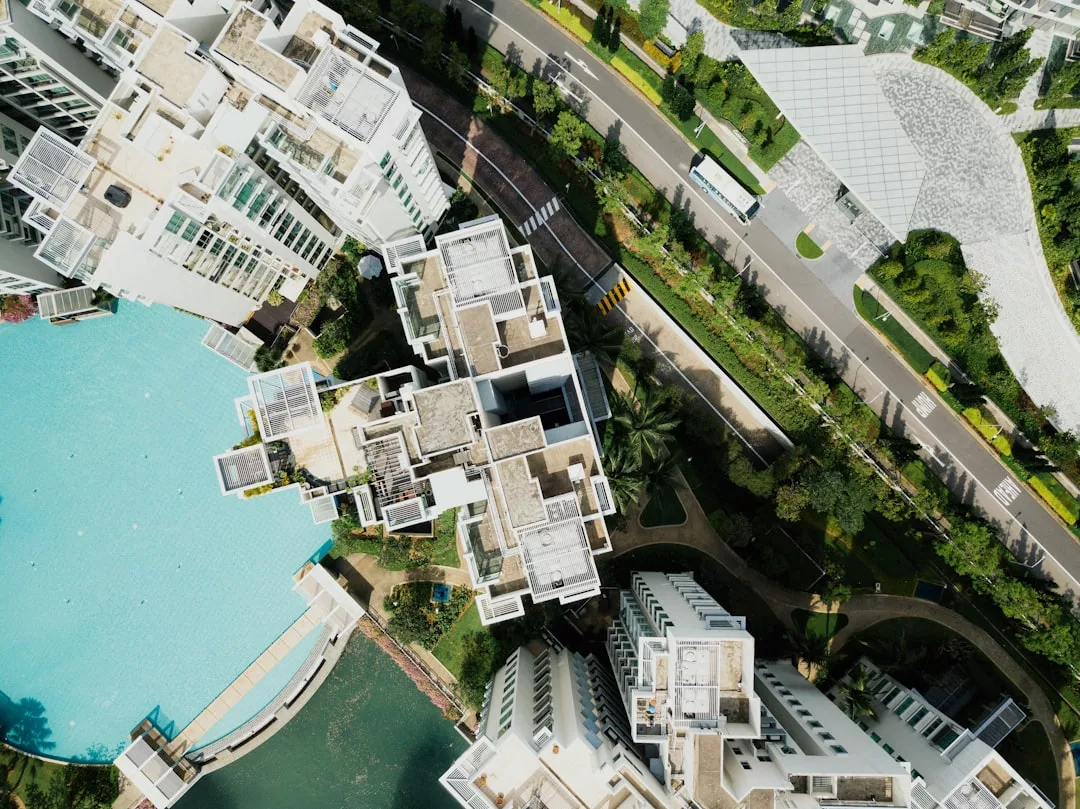

Copenhagen has emerged as a global leader in sustainable living, setting a benchmark for cities worldwide. The Danish capital’s commitment to environmental responsibility is evident in its ambitious goal to become carbon neutral by 2025. This vision has catalyzed a cultural shift among its residents, who increasingly prioritize eco-friendly practices in their daily lives.
The city’s extensive cycling infrastructure, green spaces, and public transportation systems reflect a collective ethos that values sustainability. As a result, Copenhagen has become a vibrant hub for innovative solutions that address climate change while enhancing the quality of life for its inhabitants. The trend of sustainable living in Copenhagen is not merely a passing fad; it is deeply rooted in the city’s policies and urban planning strategies.
The integration of green technologies and sustainable practices into residential and commercial developments has gained momentum. For instance, the city has invested heavily in renewable energy sources, such as wind and solar power, which are now integral to its energy grid. This commitment is mirrored in the growing popularity of sustainable apartments, which are designed to minimize environmental impact while providing modern comforts.
As more residents embrace this lifestyle, the demand for eco-friendly housing options continues to rise, further solidifying Copenhagen’s reputation as a pioneer in sustainable urban living.
Key Takeaways
- Sustainable living is a growing trend in Copenhagen, with a focus on environmental, social, and economic benefits.
- Modern sustainable apartments in Copenhagen offer amenities and features that promote eco-friendly living and reduce environmental impact.
- Sustainable apartments contribute to environmental benefits such as energy efficiency, reduced water consumption, and lower carbon emissions.
- Sustainable living fosters social and community aspects by promoting a sense of belonging, shared resources, and a healthier lifestyle.
- Economic advantages of sustainable apartments include lower utility bills, increased property value, and long-term cost savings.
Modern Amenities and Features of Sustainable Apartments
Sustainable apartments in Copenhagen are characterized by a range of modern amenities that cater to the needs of environmentally conscious residents. These residences often feature energy-efficient appliances, smart home technologies, and sustainable materials that reduce their overall carbon footprint. For example, many buildings incorporate triple-glazed windows that enhance insulation, thereby minimizing heating and cooling costs.
Additionally, the use of reclaimed wood and recycled materials in construction not only reduces waste but also adds a unique aesthetic appeal to these homes. Moreover, sustainable apartments frequently include communal spaces designed to foster community interaction and promote a sense of belonging among residents. Rooftop gardens, shared workspaces, and recreational areas are common features that encourage social engagement while providing green spaces for relaxation and leisure.
These amenities not only enhance the living experience but also contribute to the overall sustainability of the building by promoting biodiversity and reducing urban heat islands. The thoughtful integration of modern conveniences with eco-friendly practices exemplifies how sustainable living can be both comfortable and responsible.
The Environmental Benefits of Sustainable Apartments
The environmental benefits of sustainable apartments extend far beyond individual households; they contribute significantly to the broader ecological health of Copenhagen. By utilizing renewable energy sources such as solar panels and wind turbines, these buildings reduce reliance on fossil fuels, thereby decreasing greenhouse gas emissions. Furthermore, many sustainable apartments are designed with water conservation in mind, featuring rainwater harvesting systems and low-flow fixtures that minimize water usage.
This holistic approach to resource management not only conserves vital natural resources but also alleviates pressure on municipal water systems. In addition to energy and water conservation, sustainable apartments often incorporate green roofs and vertical gardens that enhance urban biodiversity. These features provide habitats for various species while improving air quality through natural filtration processes.
The presence of greenery also helps mitigate the urban heat island effect, which is particularly pronounced in densely populated areas. By integrating nature into the urban landscape, sustainable apartments contribute to a healthier environment for both residents and wildlife alike.

The Social and Community Aspects of Sustainable Living
Sustainable living in Copenhagen fosters a strong sense of community among residents, as shared values around environmental stewardship often translate into collaborative efforts. Many sustainable apartment complexes encourage communal activities such as gardening, workshops on eco-friendly practices, and social events that bring neighbors together. This emphasis on community engagement not only strengthens social ties but also promotes a culture of sustainability that extends beyond individual households.
Moreover, the design of sustainable apartments often reflects an understanding of social dynamics. Common areas are strategically placed to encourage interaction among residents, while features like bike storage facilities promote cycling as a primary mode of transportation. This communal approach not only enhances the quality of life for residents but also reinforces the idea that sustainable living is a collective endeavor.
By creating spaces that facilitate connection and collaboration, Copenhagen’s sustainable apartments serve as models for how urban living can be both environmentally responsible and socially enriching.
The Economic Advantages of Sustainable Apartments
Investing in sustainable apartments presents numerous economic advantages for both developers and residents. For developers, incorporating green building practices can lead to significant cost savings over time. Energy-efficient designs reduce utility expenses, while government incentives and subsidies for sustainable construction can offset initial investment costs.
Additionally, properties that prioritize sustainability often experience higher demand in the real estate market, allowing developers to command premium prices. For residents, the economic benefits are equally compelling. Sustainable apartments typically offer lower utility bills due to their energy-efficient features, resulting in long-term savings that can significantly impact household budgets.
Furthermore, many sustainable buildings are located in desirable neighborhoods with access to public transportation and amenities, enhancing their overall value. As awareness of environmental issues continues to grow, the appeal of sustainable living is likely to increase, making these apartments not only an ethical choice but also a financially sound investment.

The Unique Architecture and Design of Modern Apartments in Copenhagen
The architecture of modern sustainable apartments in Copenhagen is a testament to innovative design principles that prioritize both aesthetics and functionality. Many buildings feature striking contemporary designs that incorporate natural elements and harmonize with their surroundings. For instance, the use of large windows maximizes natural light while providing stunning views of the cityscape or nearby green spaces.
This design philosophy not only enhances the living experience but also reduces reliance on artificial lighting. Additionally, architects are increasingly embracing modular construction techniques that allow for greater flexibility and efficiency in building design. These methods enable the creation of adaptable living spaces that can evolve with changing resident needs over time.
The incorporation of biophilic design elements—such as indoor gardens or natural materials—further enhances the connection between residents and nature, promoting well-being and sustainability within urban environments. The unique architectural styles found in Copenhagen’s sustainable apartments reflect a commitment to innovation while celebrating the city’s rich cultural heritage.
The Role of Technology in Sustainable Living
Technology plays a pivotal role in advancing sustainable living practices within Copenhagen’s modern apartments. Smart home systems equipped with energy management tools allow residents to monitor their energy consumption in real-time, enabling them to make informed decisions about their usage patterns.
Moreover, advancements in building materials and construction techniques have led to the development of innovative solutions that enhance sustainability. For instance, self-healing concrete is being explored as a way to extend the lifespan of buildings while reducing maintenance costs and resource consumption. Additionally, technologies such as solar panels integrated into building facades or energy-generating windows are pushing the boundaries of what is possible in sustainable architecture.
As technology continues to evolve, its integration into sustainable living will undoubtedly play a crucial role in shaping the future of urban environments.
The Future of Sustainable and Modern Apartments in Copenhagen
Looking ahead, the future of sustainable and modern apartments in Copenhagen appears promising as the city continues to prioritize environmental responsibility and innovative design. With ongoing investments in renewable energy infrastructure and green technologies, it is likely that new developments will increasingly incorporate cutting-edge solutions that further enhance sustainability. The city’s commitment to carbon neutrality by 2025 serves as a driving force behind these initiatives, inspiring both developers and residents to embrace eco-friendly practices.
Furthermore, as global awareness of climate change intensifies, Copenhagen’s model for sustainable living may serve as a blueprint for other cities seeking to address similar challenges. The emphasis on community engagement, economic viability, and technological innovation positions Copenhagen at the forefront of the global sustainability movement. As more individuals recognize the importance of environmentally conscious living, the demand for modern sustainable apartments will continue to grow, shaping the future landscape of urban life in this vibrant city.

◦ Off-market questions
What features define a sustainable apartment in Copenhagen?
These homes typically combine energy-efficient appliances and smart home technology with sustainable materials such as reclaimed wood and recycled elements. Triple-glazed windows improve insulation and cut heating and cooling costs. Many buildings also add communal spaces, rooftop gardens and shared workspaces that encourage interaction while supporting the building's overall sustainability.
Do sustainable apartments in Copenhagen make financial sense?
They generally do. Energy-efficient design means lower utility bills and meaningful long-term savings, while government incentives and subsidies can offset construction costs for developers. Because sustainability is increasingly prized, these properties tend to hold strong demand and command premium prices, making them both an ethical and a financially sound choice.
Why is Copenhagen considered a leader in sustainable living?
The city aims to become carbon neutral by 2025, a goal that shapes its policies and urban planning. Extensive cycling infrastructure, green spaces and strong public transport reflect a shared environmental ethos, while heavy investment in wind and solar power now underpins the energy grid, driving demand for eco-friendly housing.
Same market
More from Copenhagen
Copenhagen · 7 min
The Impact of Infrastructure Developments on Property Values in Copenhagen
Copenhagen, the capital of Denmark, has long been recognized for its innovative approach to urban planning and infrastructure development. The city ha…
Copenhagen · 7 min
Top Districts in Copenhagen for High-Yield Property Investments
Copenhagen, the capital of Denmark, has emerged as a vibrant hub for property investments, particularly in the realm of high-yield opportunities. The …
Copenhagen · 7 min
Timing the Market: When to Sell Your Property in Copenhagen
The Copenhagen real estate market is a dynamic and multifaceted environment that reflects the broader economic and cultural trends of Denmark. As the …