Berlin · 52.52°N 13.40°E · File 1698
Anticipated Developments in Berlin’s Property Market for 2025
Berlin, the vibrant capital of Germany, has long been a focal point for real estate investment, attracting both domestic and international buyers. The city’s property market …

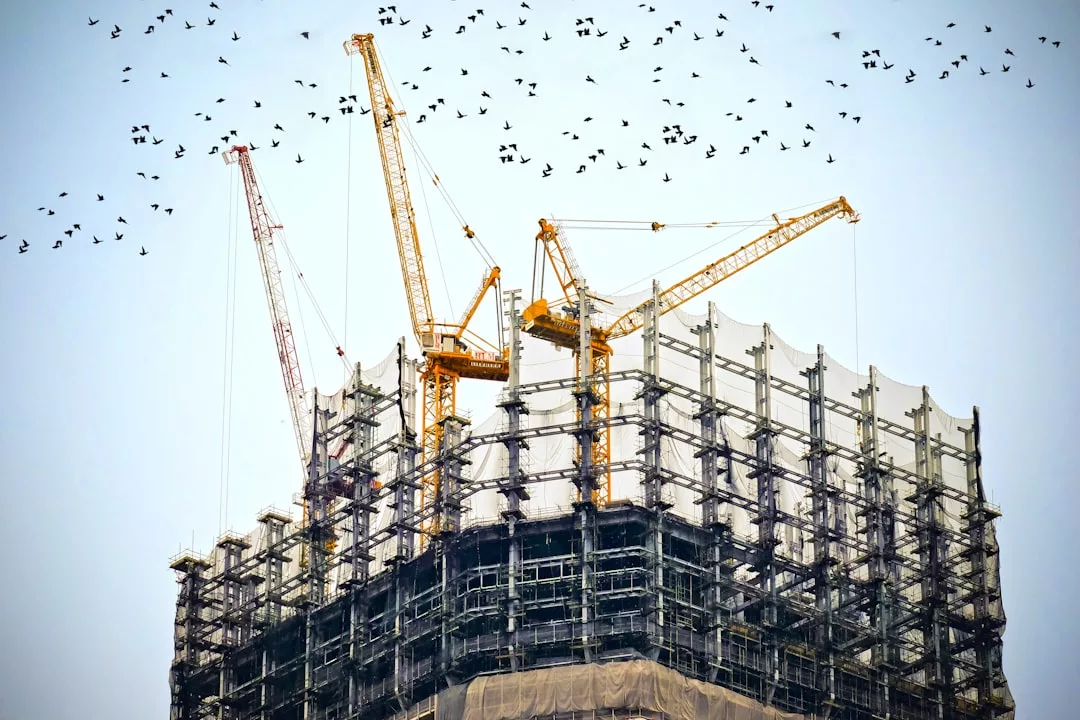

Berlin, the vibrant capital of Germany, has long been a focal point for real estate investment, attracting both domestic and international buyers. The city’s property market has undergone significant transformations over the past decade, driven by a combination of economic growth, cultural dynamism, and demographic shifts. With its rich history, diverse population, and burgeoning tech scene, Berlin presents a unique landscape for property investors.
The city’s real estate sector is characterized by a mix of traditional and modern architecture, reflecting its storied past while embracing contemporary living standards. As of late 2023, Berlin’s property market continues to evolve, marked by rising demand for residential spaces and commercial properties alike. The influx of young professionals, artists, and entrepreneurs has fueled a competitive market, leading to increased property values and rental prices.
However, the city also faces challenges such as housing shortages and gentrification, which have sparked debates about affordability and urban development. Understanding the nuances of Berlin’s property market is essential for anyone looking to invest or reside in this dynamic city.
Key Takeaways
- Berlin’s property market is experiencing a surge in demand due to its growing economy and attractive investment opportunities.
- Technological advancements are driving the development of smart homes in Berlin, offering convenience and energy efficiency to residents.
- Sustainable and eco-friendly building practices are becoming increasingly popular in Berlin, reflecting the city’s commitment to environmental conservation.
- Shifts in neighborhood demographics are reshaping the property market, with younger generations and expats driving demand in up-and-coming areas.
- Global events, such as the COVID-19 pandemic, have had a significant impact on property prices in Berlin, creating both challenges and opportunities for investors.
Technological Advancements and Smart Homes
The integration of technology into the real estate sector has revolutionized how properties are bought, sold, and managed in Berlin. Smart home technology has gained traction among homeowners and renters alike, with features such as automated lighting, security systems, and energy-efficient appliances becoming increasingly popular. These advancements not only enhance the living experience but also contribute to energy savings and sustainability—two key concerns for modern urban dwellers.
Moreover, Berlin’s property market has seen a rise in tech-driven platforms that facilitate property transactions. Virtual tours, online listings, and digital documentation have streamlined the buying process, making it more accessible for both local and international investors. The use of big data analytics allows real estate professionals to better understand market trends and consumer preferences, enabling them to make informed decisions.
As technology continues to advance, it is likely that Berlin will remain at the forefront of smart home innovations, further shaping its real estate landscape.
Sustainable and Eco-Friendly Building Practices
In recent years, sustainability has emerged as a critical focus within Berlin’s property market. As environmental concerns grow globally, developers are increasingly adopting eco-friendly building practices that prioritize energy efficiency and minimal environmental impact. This shift is evident in the construction of new residential complexes that incorporate green roofs, solar panels, and sustainable materials.
Such initiatives not only appeal to environmentally conscious buyers but also align with the city’s commitment to reducing its carbon footprint. Berlin’s government has implemented various policies to encourage sustainable development, including incentives for green building certifications and funding for energy-efficient renovations. These measures have spurred a wave of retrofitting older buildings to meet modern sustainability standards.
As a result, many historic structures are being revitalized with eco-friendly technologies while preserving their architectural integrity. This harmonious blend of tradition and innovation positions Berlin as a leader in sustainable urban development.

Shift in Neighborhood Demographics
The demographic landscape of Berlin is continually evolving, influenced by factors such as migration patterns, economic opportunities, and cultural trends. Traditionally known for its diverse neighborhoods, the city has seen an influx of young professionals seeking affordable housing options in areas that were once considered less desirable. This shift has led to the gentrification of neighborhoods like Kreuzberg and Neukölln, where new cafes, boutiques, and cultural venues have emerged alongside long-standing local businesses. However, this demographic shift also raises concerns about displacement and affordability for long-term residents. The challenge for policymakers is to balance development with inclusivity, ensuring that all residents can benefit from the city’s growth without losing their sense of community.
Understanding these demographic changes is crucial for investors looking to identify emerging hotspots within Berlin’s property market.

Impact of Global Events on Property Prices
Global events have a profound impact on property markets worldwide, and Berlin is no exception. The COVID-19 pandemic brought unprecedented challenges to the real estate sector, leading to fluctuations in property prices and rental rates. Initially, there was a temporary slowdown in transactions as uncertainty loomed; however, as the city adapted to new realities—such as remote work and changing lifestyle preferences—demand for residential properties rebounded.
Additionally, geopolitical events such as Brexit and ongoing conflicts have influenced foreign investment in Berlin’s real estate market. The city has become an attractive alternative for investors seeking stability in uncertain times.
Understanding how global events shape local markets is essential for investors aiming to navigate the complexities of Berlin’s real estate landscape.
Rise of Co-Living and Co-Working Spaces
The rise of co-living and co-working spaces reflects a broader trend towards communal living and flexible work arrangements in urban environments like Berlin. As remote work becomes more prevalent, many individuals are seeking affordable housing solutions that offer not only a place to live but also opportunities for collaboration and social interaction. Co-living spaces cater to this demand by providing shared amenities and fostering a sense of community among residents.
Similarly, co-working spaces have gained popularity among freelancers and startups looking for flexible office solutions without the long-term commitment of traditional leases. These spaces often feature modern designs and collaborative environments that encourage creativity and networking. In Berlin, the proliferation of co-living and co-working spaces signifies a shift towards more adaptable living arrangements that align with the evolving needs of urban dwellers.
This trend presents unique investment opportunities for those looking to capitalize on the changing dynamics of work and lifestyle in the city.
Influence of Government Policies on Real Estate
Government policies play a pivotal role in shaping Berlin’s property market, influencing everything from zoning regulations to rental controls. In recent years, the city has implemented measures aimed at curbing rising rents and ensuring affordable housing for its residents. Initiatives such as rent caps and tenant protection laws have sparked debates about the balance between protecting tenants’ rights and encouraging investment in new housing developments.
Additionally, Berlin’s government has prioritized urban development projects that promote sustainable living and enhance public infrastructure. Investments in transportation networks and green spaces contribute to the overall appeal of neighborhoods, making them more attractive to potential buyers and renters. Understanding the regulatory landscape is crucial for investors seeking to navigate the complexities of Berlin’s real estate market while aligning their strategies with government objectives.
Forecast for Property Investment Opportunities
Looking ahead, Berlin’s property market presents a range of investment opportunities driven by ongoing trends in technology, sustainability, and demographic shifts. As the city continues to attract talent from around the world, demand for residential properties is expected to remain strong. Investors who focus on emerging neighborhoods with potential for growth may find lucrative opportunities as these areas undergo revitalization.
Furthermore, the increasing emphasis on sustainable building practices opens avenues for investment in eco-friendly developments that align with consumer preferences for green living. As co-living and co-working spaces gain traction, investors may also consider diversifying their portfolios by exploring these innovative housing solutions. In conclusion, Berlin’s property market is characterized by its dynamic nature and resilience in the face of global challenges.
By staying informed about technological advancements, demographic shifts, government policies, and sustainability initiatives, investors can position themselves strategically within this evolving landscape. With careful consideration and a forward-thinking approach, opportunities abound in one of Europe’s most exciting real estate markets.

Same market
More from Berlin
Berlin · 14 min
Berlin Luxury Property Market
Berlin luxury property market guide: EUR 3.8 billion in 2025 transactions, prime prices of EUR 12,000 to 18,000 per square metre, top neighbourhoods, …

Berlin · 7 min
Understanding Agent Fees in Berlin: What Buyers and Sellers Should Know
Berlin, the vibrant capital of Germany, is a city that has seen a remarkable transformation over the past few decades. Once divided by a wall that sym…
Berlin · 7 min
Properties with Spree River Views: Top Locations in Berlin
Berlin, the vibrant capital of Germany, is a city that seamlessly blends history, culture, and modernity. One of its most enchanting features is the S…