Dubai · 25.20°N 55.27°E · File 904
The Allure of Modern Architecture in Dubai
Dubai’s transformation from a modest fishing village to a global metropolis is a remarkable tale of ambition and innovation. The rise of modern architecture in this vibrant c…

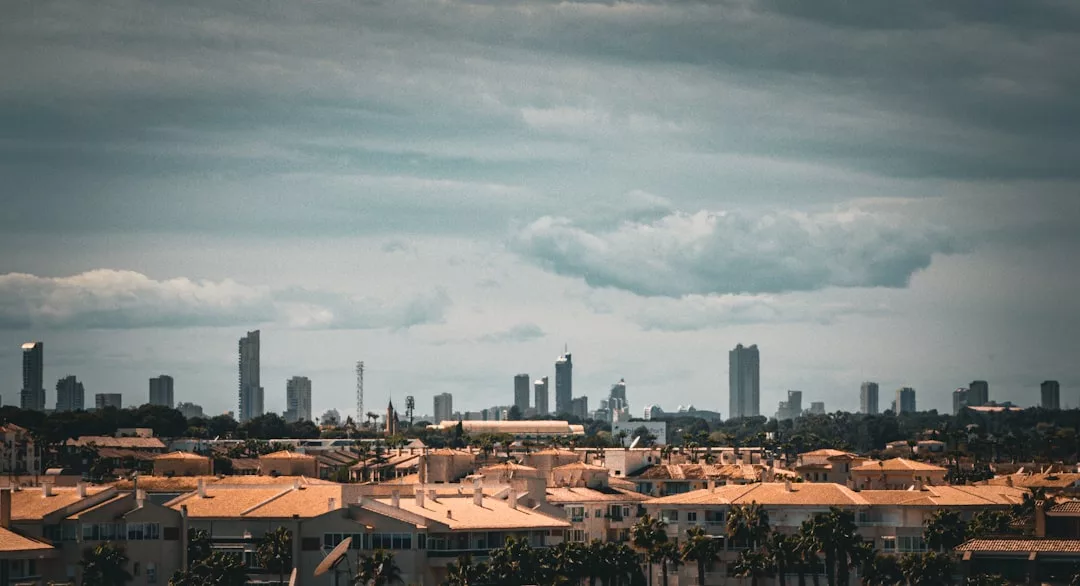

Dubai’s transformation from a modest fishing village to a global metropolis is a remarkable tale of ambition and innovation. The rise of modern architecture in this vibrant city is emblematic of its rapid development and the desire to establish itself as a leader on the world stage. In the late 20th century, Dubai began to embrace a vision of modernization that would redefine its skyline and urban landscape.
This vision was fueled by the discovery of oil, which provided the financial resources necessary to invest in ambitious architectural projects. As a result, the city has become a canvas for some of the most daring and imaginative designs in contemporary architecture. The architectural evolution in Dubai is not merely about aesthetics; it reflects the city’s aspirations and its quest for identity.
The embrace of modern architecture has allowed Dubai to showcase its cultural diversity while simultaneously positioning itself as a hub for tourism, business, and innovation. The skyline, dotted with futuristic structures, tells a story of resilience and creativity, where traditional elements are often harmoniously blended with cutting-edge design. This unique juxtaposition has made Dubai a focal point for architects and designers from around the globe, eager to contribute to its ever-evolving narrative.
Key Takeaways
- Modern architecture in Dubai has risen rapidly in recent years, transforming the city’s skyline and attracting global attention.
- Iconic landmarks and skyscrapers such as the Burj Khalifa and the Dubai Marina have become symbols of Dubai’s modern architectural prowess.
- Innovative design and engineering have played a key role in the development of Dubai’s modern architecture, pushing the boundaries of what is possible in construction.
- Sustainability and green initiatives are increasingly being integrated into modern architectural projects in Dubai, reflecting a growing awareness of environmental responsibility.
- The influence of culture and tradition is evident in many modern architectural designs in Dubai, blending contemporary styles with local heritage.
Iconic Landmarks and Skyscrapers
Dubai is home to some of the most iconic landmarks in the world, each representing a unique blend of artistry and engineering prowess. The Burj Khalifa, standing at an astonishing 828 meters, is not only the tallest building in the world but also a symbol of Dubai’s ambition and determination. Its sleek, tapering silhouette is inspired by traditional Islamic architecture, yet it embodies a modern aesthetic that captures the essence of the city.
The Burj Khalifa has become an emblem of national pride, attracting millions of visitors who come to marvel at its grandeur and enjoy breathtaking views from its observation decks. Another architectural marvel is the Burj Al Arab, often referred to as the world’s only seven-star hotel. Its distinctive sail-like shape rises majestically from the Arabian Gulf, serving as a beacon of luxury and opulence.
Designed by architect Tom Wright, the Burj Al Arab has redefined hospitality standards and has become synonymous with Dubai’s image as a playground for the rich and famous. These landmarks not only enhance the city’s skyline but also contribute significantly to its tourism industry, drawing visitors eager to experience their splendor firsthand.
Innovative Design and Engineering
The innovative design and engineering feats achieved in Dubai are nothing short of extraordinary. The city has become a testing ground for avant-garde architectural concepts that push the boundaries of what is possible. One such example is the Museum of the Future, which stands as a testament to Dubai’s commitment to embracing technology and forward-thinking design.
With its toroidal shape and intricate façade, the museum is not just an architectural wonder but also a hub for innovation, showcasing advancements in various fields such as artificial intelligence, robotics, and sustainability. Moreover, Dubai’s commitment to engineering excellence is evident in projects like The Palm Jumeirah, an artificial archipelago that has redefined coastal living. This ambitious undertaking involved extensive planning and engineering expertise to create a man-made island that mimics the shape of a palm tree.
The Palm Jumeirah has become a symbol of luxury living, featuring upscale resorts, residential properties, and entertainment options that attract both residents and tourists alike. Such projects highlight Dubai’s ability to blend creativity with technical skill, resulting in structures that are not only visually stunning but also functional and sustainable.
Sustainability and Green Initiatives
As Dubai continues to grow and evolve, there is an increasing awareness of the importance of sustainability in modern architecture. The city has made significant strides toward integrating green initiatives into its urban planning and architectural designs. One notable example is the Sustainable City, a pioneering development that aims to create a self-sufficient community powered by renewable energy sources.
This eco-friendly project incorporates solar panels, green roofs, and water recycling systems, demonstrating that luxury living can coexist with environmental responsibility. Additionally, Dubai’s commitment to sustainability is reflected in its ambitious goal to become one of the world’s most sustainable cities by 2025. The Dubai Clean Energy Strategy 2050 aims to diversify energy sources and increase the share of clean energy in the city’s energy mix.
This vision is supported by innovative architectural designs that prioritize energy efficiency and reduce carbon footprints. By embracing sustainable practices, Dubai is not only enhancing its global reputation but also ensuring a healthier environment for future generations.
The Influence of Culture and Tradition
While modern architecture dominates Dubai’s skyline, the influence of culture and tradition remains deeply embedded in its architectural narrative. Many contemporary structures draw inspiration from traditional Islamic design elements, incorporating intricate patterns, arches, and domes that pay homage to the region’s rich heritage. This fusion of old and new creates a unique architectural language that reflects Dubai’s identity as a multicultural city.
The Al Fahidi Historical Neighborhood serves as a poignant reminder of Dubai’s past, showcasing traditional wind-tower architecture that once provided natural ventilation in homes. This area stands in stark contrast to the modern skyscrapers that surround it, yet it highlights the importance of preserving cultural heritage amidst rapid urbanization. By integrating traditional elements into modern designs, architects in Dubai are creating spaces that resonate with both residents and visitors, fostering a sense of connection to the city’s history while embracing its future.

The Role of Modern Architecture in Dubai’s Economy
Modern architecture plays a pivotal role in shaping Dubai’s economy, serving as a catalyst for growth and development across various sectors. The construction industry has become one of the largest contributors to the emirate’s GDP, driven by ambitious projects that attract foreign investment and create job opportunities for thousands of workers. Iconic structures like the Burj Khalifa and Burj Al Arab have not only elevated Dubai’s status on the global stage but have also stimulated economic activity through tourism, hospitality, and real estate.
Furthermore, modern architecture has positioned Dubai as a center for international business and trade. The city’s state-of-the-art infrastructure and innovative office spaces have attracted multinational corporations seeking to establish a presence in the Middle East. This influx of businesses has led to increased demand for commercial real estate, further fueling economic growth.
As Dubai continues to invest in modern architectural projects, it solidifies its reputation as a dynamic economic hub that embraces innovation while fostering sustainable development.
Public Spaces and Urban Planning
The design of public spaces in Dubai reflects a commitment to creating vibrant urban environments that enhance quality of life for residents and visitors alike. Urban planning initiatives prioritize accessibility and inclusivity, ensuring that public spaces are designed for people rather than just vehicles. Parks, waterfront promenades, and recreational areas are integrated into the urban fabric, providing residents with opportunities for leisure and social interaction.
One notable example is the Dubai Marina Walk, a picturesque waterfront promenade lined with restaurants, shops, and recreational facilities. This vibrant space encourages community engagement while offering stunning views of the marina’s skyline. Additionally, projects like Al Wasl Plaza aim to create multifunctional public spaces that host cultural events and gatherings, fostering a sense of community among diverse populations.
By prioritizing public spaces in urban planning, Dubai is cultivating an environment where people can connect with one another while enjoying the beauty of their surroundings.
The Future of Modern Architecture in Dubai
As Dubai looks toward the future, its architectural landscape will continue to evolve in response to emerging trends and challenges. The city is poised to embrace smart city technologies that enhance urban living through data-driven solutions. Innovations such as smart buildings equipped with advanced energy management systems will play a crucial role in optimizing resource use while minimizing environmental impact.
Moreover, as global awareness of climate change intensifies, architects in Dubai will increasingly focus on sustainable design practices that prioritize resilience and adaptability. Future projects will likely incorporate green roofs, vertical gardens, and innovative materials that reduce energy consumption while enhancing aesthetic appeal. As Dubai continues to redefine itself through modern architecture, it will remain at the forefront of global design trends while honoring its cultural heritage. From iconic landmarks that define its skyline to innovative designs that push engineering boundaries, the city has established itself as a global leader in architectural excellence. As it navigates challenges related to sustainability and urban planning while embracing its rich cultural heritage, Dubai’s architectural future promises to be as dynamic and inspiring as its past.

Same market
More from Dubai
Dubai · 14 min
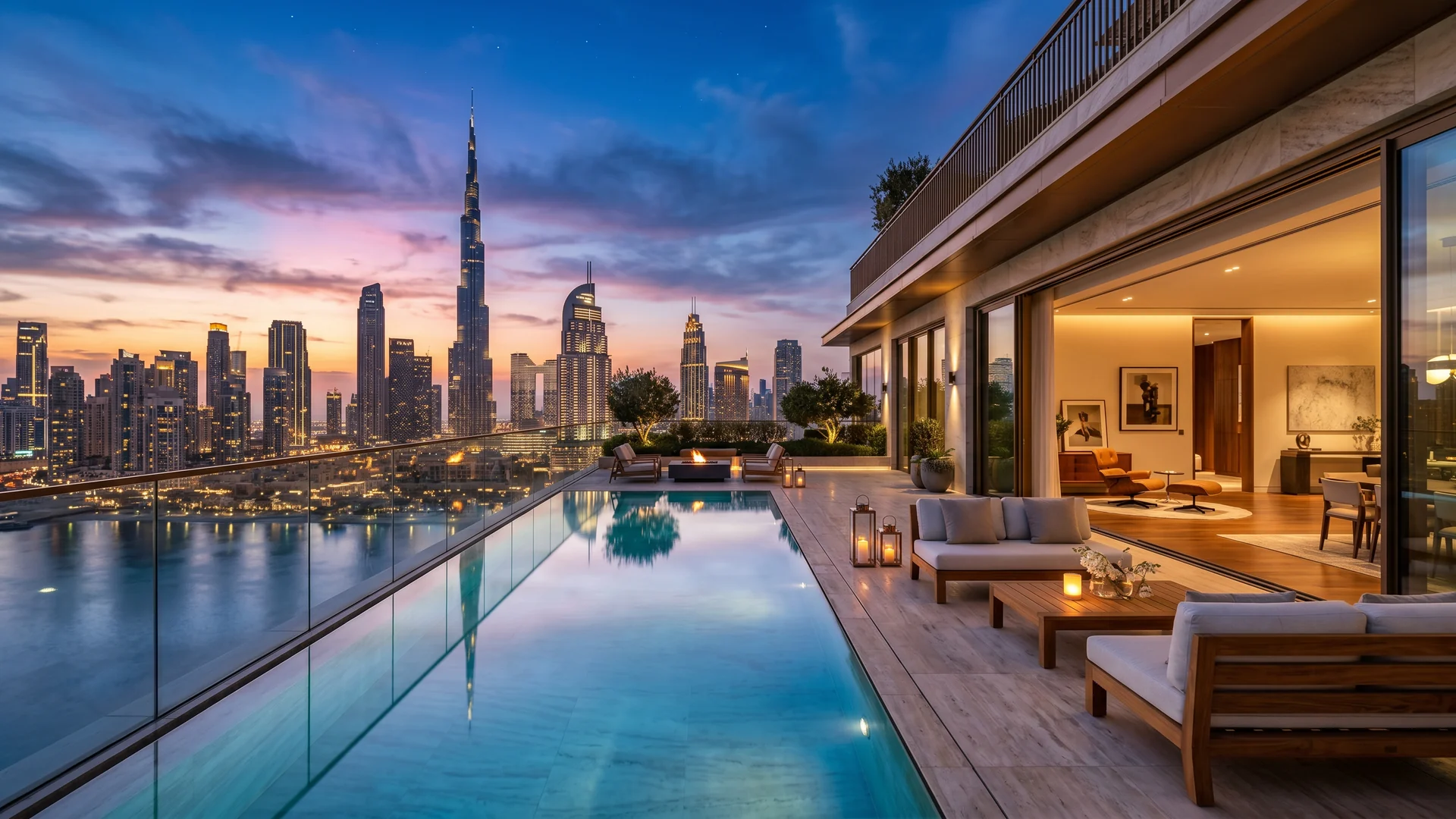
Dubai Luxury Real Estate Guide
Dubai luxury real estate guide: 2025 prices for Palm Jumeirah, Emirates Hills and Downtown villas, zero-tax benefits, Golden Visa and the 2026 market …
Dubai · 6 min
The Impact of Expo City Proximity on Real Estate Market
Expo City, a vibrant hub of innovation and culture, has emerged as a focal point for global attention since the World Expo 2020 was held there. Locate…
Dubai · 6 min
Exclusive Gated Communities in Dubai: Privacy and Security
In recent years, Dubai has witnessed a remarkable transformation in its real estate landscape, particularly with the emergence of exclusive gated comm…